With more than 10‑year industry experience, Shandong Headpowder delivers full‑service pneumatic‑conveying systems and blowers, undertaking nationwide turn‑key powder‑handling projects.
HeadPowder, a leading enterprise in the field of material handling solutions, specializes in the design, manufacturing, and implementation of efficient gypsum material conveying systems. This article delves into the fundamental principles behind gypsum material transport and highlights the key characteristics of working environments where such systems are commonly applied.
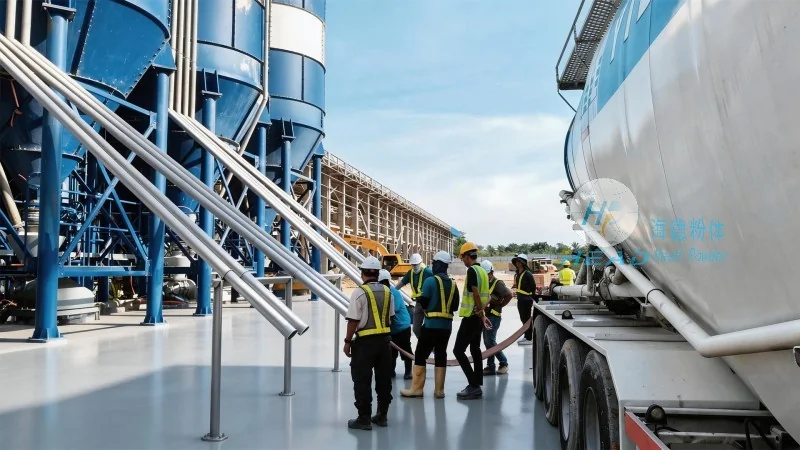
Gypsum material conveying systems are engineered to handle the unique properties of gypsum, a widely used mineral in construction and industrial applications. The primary principle revolves around ensuring the safe, efficient, and reliable movement of gypsum from storage to processing or end-use applications. Key aspects include material handling efficiency, system durability, and compliance with industrial safety standards. The design of these systems typically considers factors such as the density, moisture content, and particle size of gypsum, as these characteristics directly impact the selection of conveyor types and components.
The working environments where gypsum material conveying systems operate often vary significantly based on the application and scale of the operation. In industrial settings, such as gypsum processing plants or construction material manufacturing facilities, these systems are integrated into larger production lines. The characteristics of these working scenes include high-volume material handling, continuous operation, and the need for precise control over material flow. Additionally, the systems must be designed to withstand the abrasive nature of gypsum, which can cause wear on conveyor components over time. Environmental factors, such as temperature and humidity, also play a role in the selection of materials for conveyor belts and structural components to ensure longevity and performance.
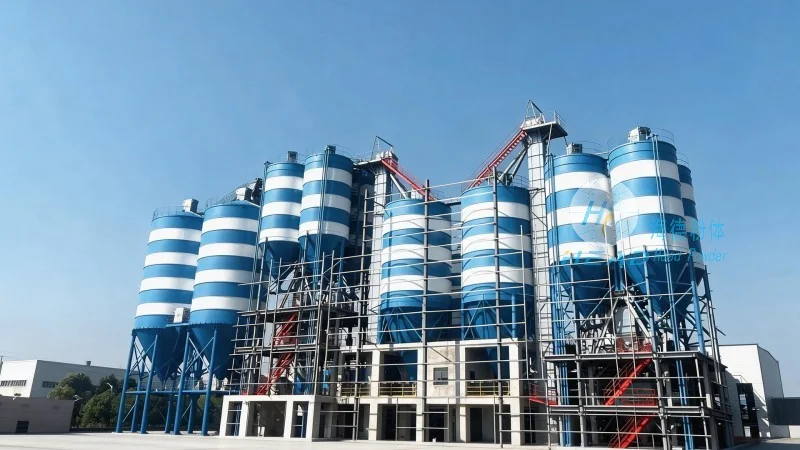
Modern gypsum material conveying systems incorporate advanced technologies to enhance performance and reduce operational costs. These components include high-capacity conveyor belts, robust drive systems, and intelligent control mechanisms. For example, variable speed drives allow for adjustments in conveyor speed based on the volume of material being transported, optimizing energy usage. Additionally, sensors and monitoring systems are integrated to detect blockages, overloads, or other issues in real-time, enabling prompt maintenance and preventing system downtime. The use of specialized materials for conveyor belts, such as rubber or PVC, is crucial to withstand the chemical and physical properties of gypsum, ensuring minimal wear and tear.
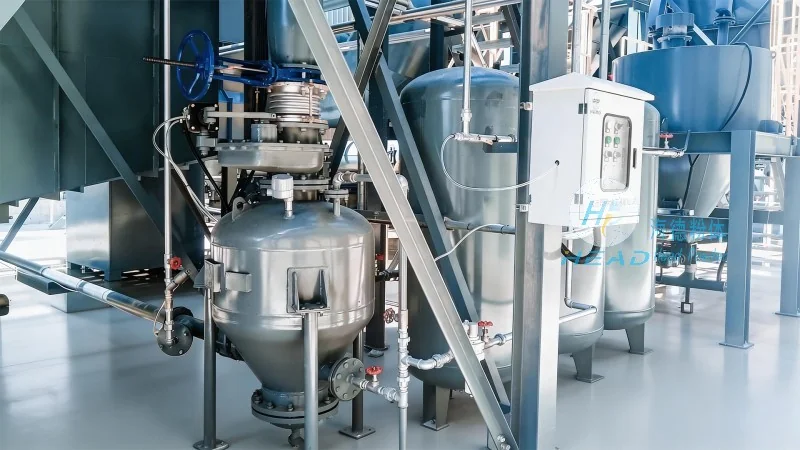
Gypsum material conveying systems are essential in various industries, including construction, building materials, and pharmaceuticals. In the construction sector, these systems facilitate the efficient transport of gypsum for wallboard production, ceiling tiles, and other building components. The ability to handle large volumes of material quickly and reliably supports the high demand for construction materials in modern building projects. In the building materials industry, these systems contribute to the streamlined production of gypsum products, improving overall operational efficiency and reducing labor costs. The reliability of gypsum material conveying systems also ensures consistent product quality, which is critical for meeting industry standards and customer expectations.
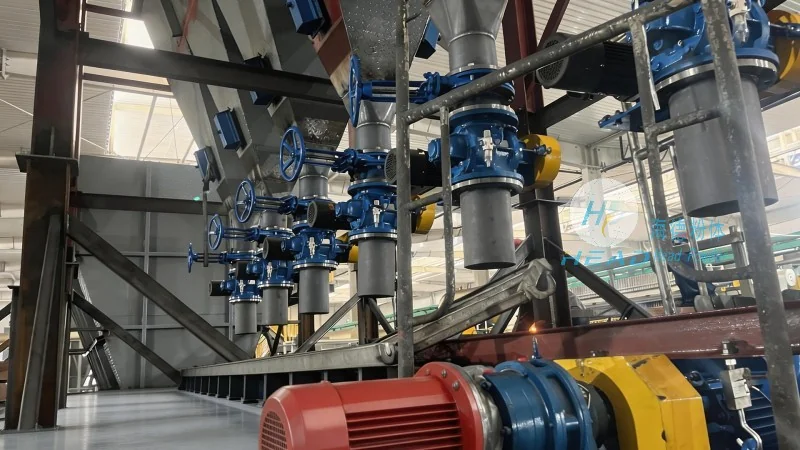
Shandong HeadPowder Engineering Co., Ltd., with its headquarters in Shandong, China, has successfully implemented numerous gypsum material conveying systems across different industries. One notable case involves a large gypsum processing plant that required an upgrade to its existing conveyor system to meet increased production demands. The company designed a custom solution featuring high-capacity belt conveyors and advanced control systems, which resulted in a 30% increase in material handling efficiency and a reduction in maintenance costs by 20%. Another case involved a pharmaceutical facility that needed to transport gypsum for the production of medical products, where the system was designed to meet stringent hygiene and safety standards. The implementation of these systems by HeadPowder has demonstrated the effectiveness of their engineering expertise in addressing the unique challenges of gypsum material conveying.
As technology advances, the gypsum material conveying industry is evolving to incorporate more sustainable and efficient solutions. Future trends may include the integration of artificial intelligence and machine learning to optimize conveyor operations, predictive maintenance systems to reduce downtime, and the use of eco-friendly materials in conveyor components. Additionally, the development of more compact and modular systems may allow for easier installation and adaptation to changing production needs. These innovations aim to enhance the overall performance of gypsum material conveying systems while reducing environmental impact and operational costs. The continued focus on innovation by companies like Shandong HeadPowder Engineering Co., Ltd. ensures that the industry remains at the forefront of material handling technology.

 Shandong Headpowder Engineering Co., Ltd.
 156-6277-7102(Manager Zhang)
  0531-83386006
  Zhangqiu District, Jinan City, Shandong Province, China
telephone
WeChatconsult
top