With more than 10‑year industry experience, Shandong Headpowder delivers full‑service pneumatic‑conveying systems and blowers, undertaking nationwide turn‑key powder‑handling projects.
Understanding fully automatic feeding pneumatic conveying systems is crucial for industries dealing with bulk materials. This technology streamlines material handling by combining automation with efficient air-based transport. The system is designed to deliver precise and continuous material flow, minimizing human intervention and enhancing operational efficiency.
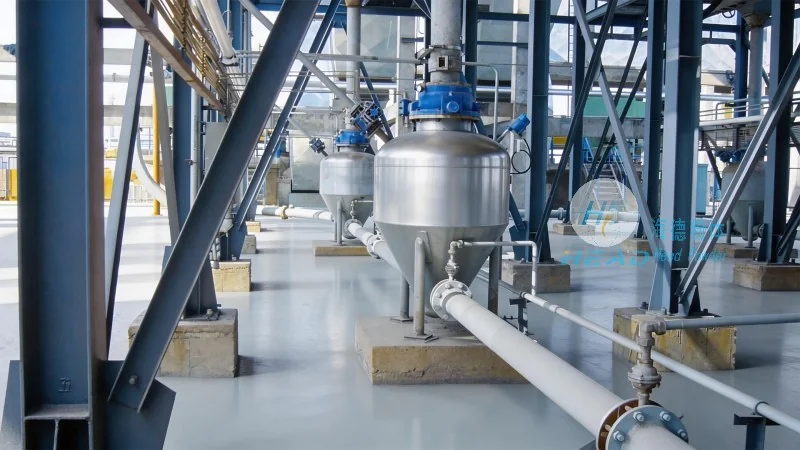
The core of a fully automatic feeding pneumatic conveying system consists of several integrated components. These include the material hopper, feeding mechanism, air compressor, and conveying pipeline. Each component plays a vital role in ensuring smooth operation. The material hopper stores the bulk material, while the feeding mechanism, often a rotary valve or screw feeder, regulates the flow rate. The air compressor generates the necessary air pressure to move the material through the pipeline. The conveying pipeline, typically made of stainless steel or other corrosion-resistant materials, transports the material from the hopper to the destination point.
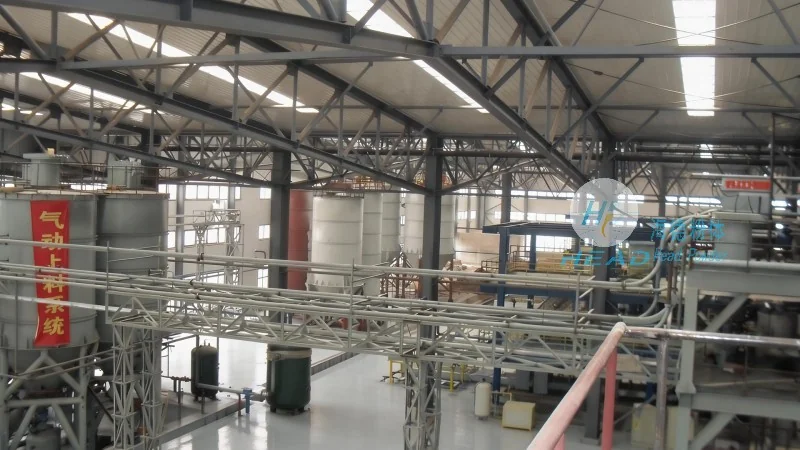
The design principles of fully automatic feeding pneumatic conveying systems prioritize efficiency, reliability, and adaptability. Engineers focus on optimizing the air-to-material ratio to achieve the best conveying performance. This ratio determines the speed and distance over which materials can be transported effectively. Additionally, the system is designed with safety features to prevent blockages and ensure consistent operation. The control system, often equipped with sensors and programmable logic controllers (PLCs), monitors key parameters such as pressure, flow rate, and material level. This allows for real-time adjustments and prevents system failures.
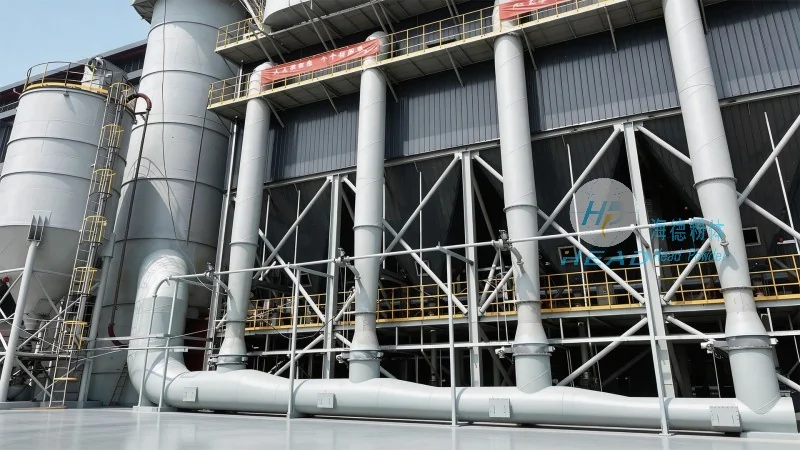
The operation of a fully automatic feeding pneumatic conveying system follows a systematic process. First, the bulk material is loaded into the hopper. The feeding mechanism then starts, gradually releasing the material into the conveying pipeline. Simultaneously, the air compressor activates, generating the required air pressure. The air and material mixture travels through the pipeline, with the air providing the force to move the material. At the destination point, the material is separated from the air, often using a cyclone separator or filter, and collected in a receiving container. The system then returns to the initial state, ready for the next cycle.
Adopting fully automatic feeding pneumatic conveying systems offers numerous advantages for industrial applications. These systems significantly reduce labor costs by automating the material handling process. They also improve product quality by minimizing material degradation and contamination. The precise control over flow rates ensures consistent material delivery, which is critical for processes like packaging and mixing. Furthermore, the system's compact design allows for integration into existing facilities without major modifications. The reliability of the automated components reduces downtime and maintenance needs, leading to higher overall productivity.
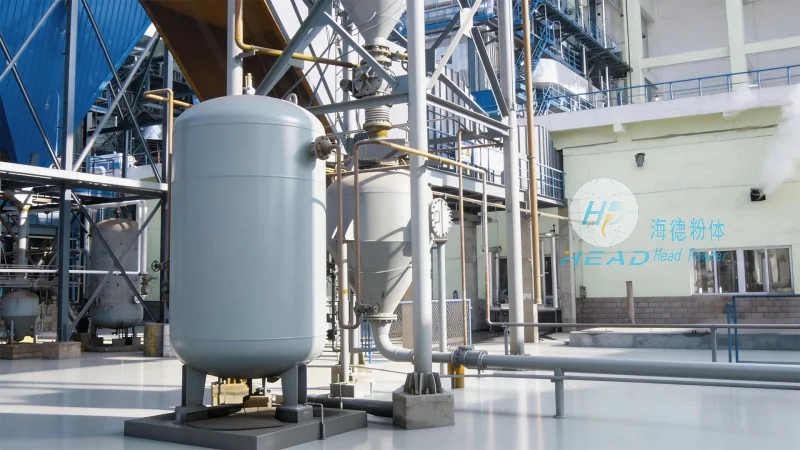
Fully automatic feeding pneumatic conveying systems are widely used across multiple industries. In the pharmaceutical sector, they handle powders and granules with high precision, ensuring compliance with strict quality standards. In the food industry, the systems are used for transporting ingredients like flour, sugar, and spices, maintaining hygiene and preventing cross-contamination. The chemical industry benefits from the system's ability to handle corrosive and hazardous materials safely. Additionally, in the mining and mineral processing industries, the technology is employed to transport raw materials and byproducts efficiently. The versatility of the system makes it suitable for a wide range of applications, from small-scale operations to large industrial plants.

 Shandong Headpowder Engineering Co., Ltd.
 156-6277-7102(Manager Zhang)
  0531-83386006
  Zhangqiu District, Jinan City, Shandong Province, China
telephone
WeChatconsult
top