With more than 10‑year industry experience, Shandong Headpowder delivers full‑service pneumatic‑conveying systems and blowers, undertaking nationwide turn‑key powder‑handling projects.
Perlite pneumatic conveying equipment is a specialized system designed for the efficient and safe transportation of perlite, a lightweight, porous volcanic rock commonly used in construction, horticulture, and industrial applications. This equipment plays a crucial role in modern material handling, offering a solution that minimizes dust generation and ensures consistent material flow. Understanding the functionality and design principles of such machinery is essential for industries that rely on perlite for various processes.
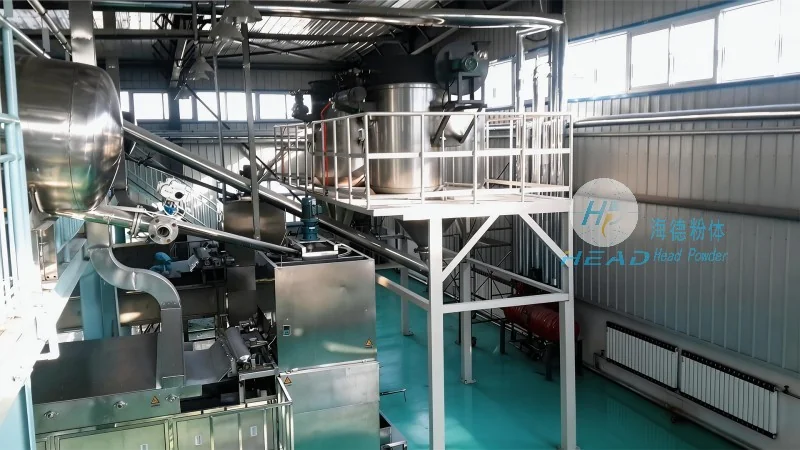
Perlite pneumatic conveying machines are engineered to transport perlite particles through a closed system using air or gas as the conveying medium. The system typically consists of a hopper for material storage, a blower or compressor to generate the necessary air pressure, a pipeline network to direct the material, and a receiver or discharge unit to collect the material at the destination. The design of these machines is tailored to handle the unique properties of perlite, such as its low density, high porosity, and potential for dust formation. By utilizing pneumatic conveying, the equipment ensures that perlite is moved without direct contact with mechanical components, reducing wear and tear and maintaining product integrity.
The effectiveness of a perlite pneumatic conveying system depends on several critical components, each serving a specific purpose in the material transport process. The hopper is the initial storage unit where perlite is loaded, often equipped with a feeding mechanism like a rotary valve or a screw feeder to control the flow rate. The blower or compressor provides the motive force, generating the air pressure required to move the material through the pipeline. The pipeline network, usually made of stainless steel or other corrosion-resistant materials, is designed to withstand the abrasive nature of perlite particles and maintain air tightness to prevent leaks. The receiver or discharge unit is where the material is collected, often with a dust collection system to capture any particles that may escape during the process. Each component is carefully selected and integrated to ensure optimal performance and reliability in transporting perlite.
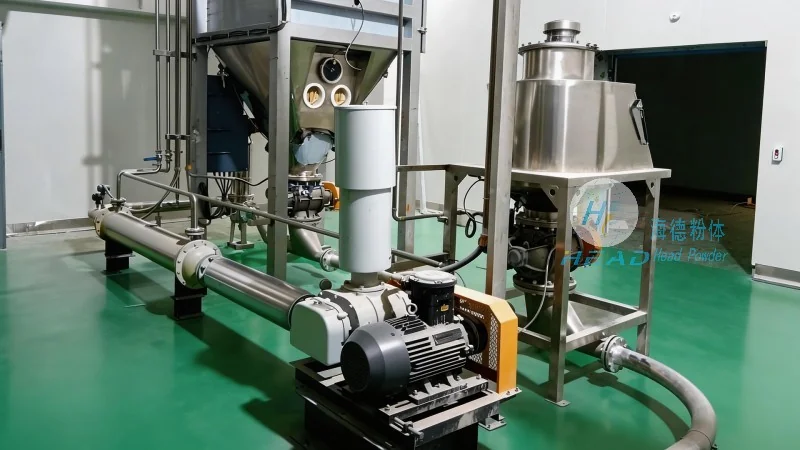
The design principles of perlite pneumatic conveying equipment focus on maximizing efficiency, minimizing energy consumption, and ensuring safe operation. One key principle is the selection of appropriate air velocity, which must be high enough to overcome the resistance of the pipeline and lift the perlite particles but not so high as to cause excessive wear or energy waste. The system's pressure drop is another critical factor, as it directly impacts the energy required to operate the blower. Engineers often use computational fluid dynamics (CFD) to model the flow and optimize the pipeline design for minimal pressure loss. Additionally, the system is designed with safety features to prevent dust explosions, such as explosion-proof blower motors and proper grounding of electrical components. The overall design also considers the space constraints of the application, with options for vertical or horizontal conveying to suit different layouts.
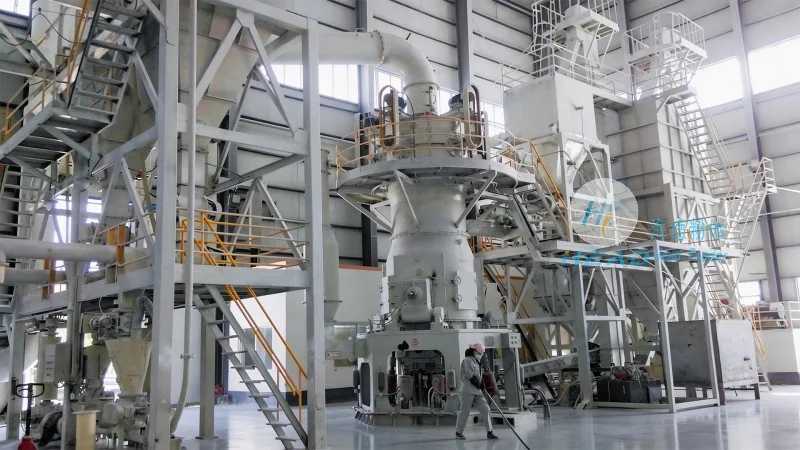
Implementing a perlite pneumatic conveying system offers numerous benefits for industries handling perlite. The primary advantage is the reduction in dust generation, which improves workplace safety and product quality by preventing contamination. Unlike mechanical conveyors, which can cause material degradation through friction and impact, pneumatic systems maintain the integrity of the perlite particles. This is particularly important for applications where the perlite's porosity and lightweight characteristics are critical, such as in insulation products or horticultural media. Furthermore, pneumatic conveying allows for flexible system layouts, enabling the equipment to be integrated into existing production lines or adapted to new facilities. The system's ability to handle both small and large volumes of material makes it versatile for various production scales, from small-scale operations to large industrial plants. By improving material handling efficiency and reducing operational costs, perlite pneumatic conveying equipment enhances overall productivity and profitability for businesses.
Shandong HeadPowder Engineering Co., Ltd., commonly known as HeadPowder, is a leading manufacturer specializing in the design and production of pneumatic conveying equipment. With headquarters located in Shandong, China, the company has established itself as a trusted provider of high-quality solutions for material handling needs. HeadPowder's expertise lies in understanding the unique requirements of different industries, particularly those dealing with lightweight and dusty materials like perlite. The company's team of engineers and technicians work closely with clients to develop customized pneumatic conveying systems that meet specific operational demands. By leveraging advanced technology and rigorous quality control processes, HeadPowder ensures that its equipment delivers reliable performance and long-term durability. The company's commitment to innovation and customer satisfaction has made it a preferred choice for businesses seeking efficient and safe material transport solutions.

 Shandong Headpowder Engineering Co., Ltd.
 156-6277-7102(Manager Zhang)
  0531-83386006
  Zhangqiu District, Jinan City, Shandong Province, China
telephone
WeChatconsult
top