With more than 10‑year industry experience, Shandong Headpowder delivers full‑service pneumatic‑conveying systems and blowers, undertaking nationwide turn‑key powder‑handling projects.
Graphite powder pneumatic conveying systems are specialized equipment designed to transport fine graphite powders through a pipeline using compressed air or other gas streams. These systems are widely used in industries such as refractory materials, battery manufacturing, and chemical processing, where the efficient and safe handling of graphite powders is critical. The primary goal of these systems is to move graphite powder from a storage or processing point to a destination like a mixer, reactor, or storage silo without the need for mechanical components like belts or buckets.
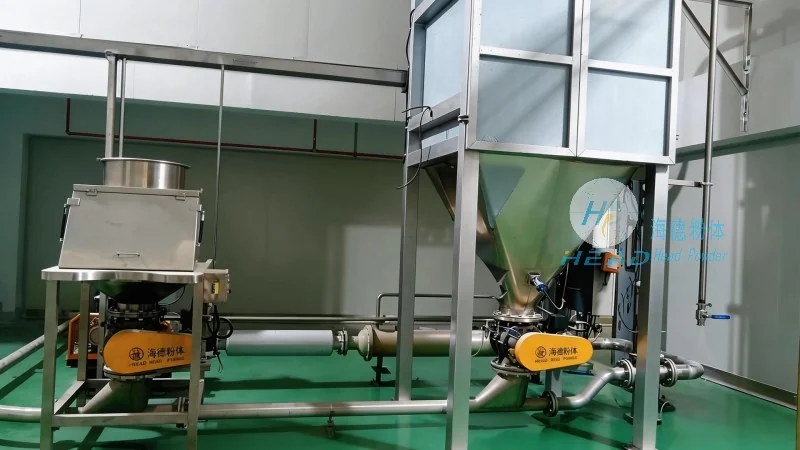
The design of a graphite powder pneumatic conveying system involves several key components that work together to ensure reliable and efficient operation. The main components typically include a hopper or feeder for material loading, a compressor or air source to generate the conveying air, a pipeline system to transport the powder, and a receiver or discharge device at the destination. The system's design principles focus on maintaining a consistent flow of powder, minimizing particle degradation, and ensuring the system operates within safe pressure and flow parameters.
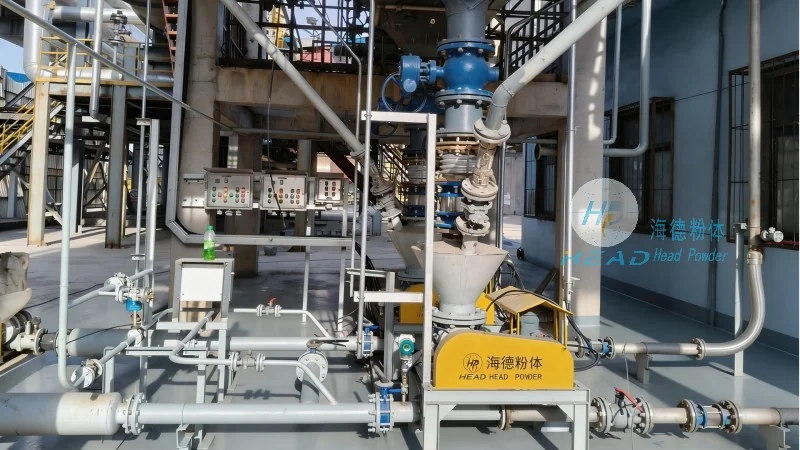
The operation of a graphite powder pneumatic conveying system is based on the principle of fluidization and suspension. When compressed air is introduced into the hopper or feeder, it creates a low-pressure zone that draws the graphite powder into the pipeline. The air flow then suspends the powder particles, allowing them to be carried through the pipeline to the receiver. The design of the air inlet and the velocity of the air are critical factors in determining the system's conveying capacity and efficiency. Properly designed systems ensure that the air velocity is sufficient to keep the powder particles suspended without causing excessive wear on the pipeline or components.
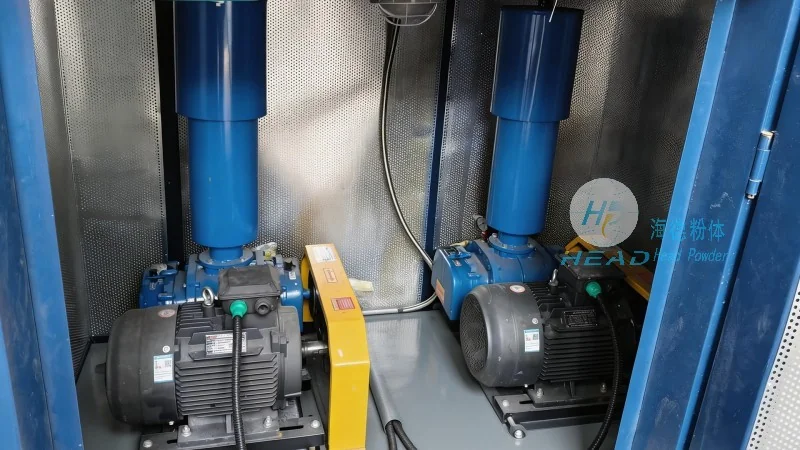
Several design considerations are essential for the optimal performance of a graphite powder pneumatic conveying system. First, the material of construction is critical, as graphite powder can be abrasive and corrosive. Materials such as stainless steel, special alloys, or high-quality plastics are often used for the pipeline and components to withstand the wear and potential chemical interactions. Second, the system's pressure and flow rates must be carefully calculated to match the specific characteristics of the graphite powder, including particle size, density, and moisture content. Third, the system should include features like air filters and moisture separators to maintain the quality of the conveyed material and protect the equipment from damage. Additionally, the system's layout and pipeline routing should be designed to minimize pressure drops and ensure smooth flow, which is crucial for maintaining consistent conveying rates.
Graphite powder pneumatic conveying systems are used in a variety of industrial applications where the handling of fine powders is required. In the battery industry, for example, these systems are used to transport graphite powder to mixing and coating processes. In refractory manufacturing, they help move graphite powders to blending and molding operations. The benefits of using pneumatic conveying systems for graphite powder include improved safety by eliminating the need for manual handling, increased efficiency by reducing downtime and material loss, and enhanced product quality by minimizing particle degradation and contamination. These systems also offer flexibility in terms of layout, as they can be easily integrated into existing production lines and reconfigured as needed.
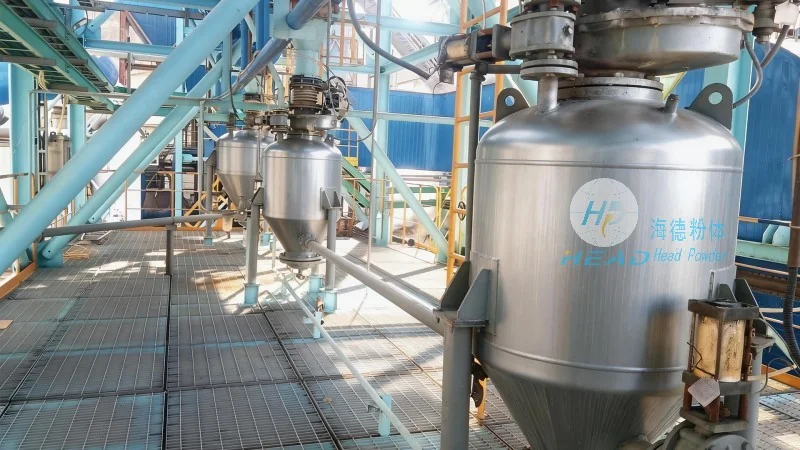
Shandong HeadPowder Engineering Co., Ltd., commonly known as HeadPowder, is a leading manufacturer of specialized equipment for the handling and processing of powders, including graphite powder. With a focus on innovation and quality, HeadPowder provides comprehensive solutions for pneumatic conveying systems tailored to the specific needs of their clients. The company is headquartered in Shandong, China, and has established a reputation for delivering reliable, efficient, and cost-effective equipment that meets the highest industry standards. HeadPowder's expertise in material handling technology ensures that their systems are designed to maximize performance while minimizing maintenance and operational costs.

 Shandong Headpowder Engineering Co., Ltd.
 156-6277-7102(Manager Zhang)
  0531-83386006
  Zhangqiu District, Jinan City, Shandong Province, China
telephone
WeChatconsult
top