

What is a cement dry ash pneumatic conveyor? What are its design principles?
Cement dry ash pneumatic conveyors are specialized industrial equipment designed for the efficient and safe transportation of dry powders, such as cement, fly ash, and other fine particulate materials. These systems utilize air pressure or vacuum to move materials through a pipeline, eliminating the need for mechanical components like belts or buckets that are common in traditional bulk material handling systems. The technology is widely adopted in cement plants, power stations, and construction material processing facilities due to its flexibility, low maintenance requirements, and ability to handle a wide range of powder characteristics.
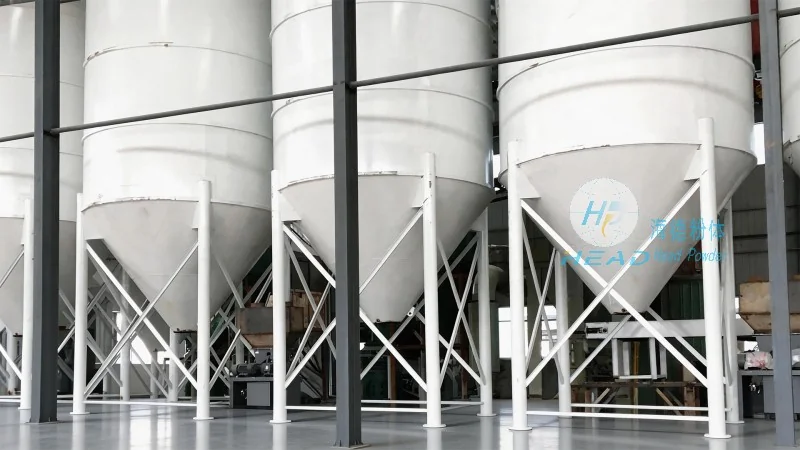
Core Components of a Pneumatic Conveyor System
At the heart of a cement dry ash pneumatic conveyor is a series of interconnected components that work in tandem to ensure smooth material transport. The primary components include the material inlet, where the dry ash or cement is introduced into the system; the air compressor or vacuum pump, which generates the necessary pressure or suction to move the material; the pipeline network, which serves as the conduit for both the material and the air; and the discharge outlet, where the material is deposited at the destination. Additionally, the system may incorporate components like filters, silencers, and pressure regulators to ensure optimal performance and safety. The design of these components is critical to the overall efficiency and reliability of the conveyor.
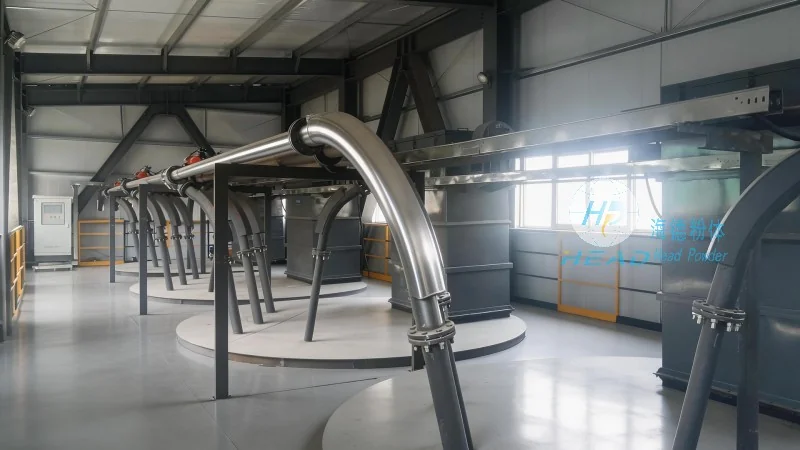
Design Principles and Operational Mechanisms
The design principles of cement dry ash pneumatic conveyors are centered on the fundamental physics of fluidized transport. The system operates by creating a slurry of the dry material suspended in air, which behaves like a fluid. This fluidization is achieved by introducing air at a controlled velocity and pressure, ensuring that the particles are kept in suspension as they travel through the pipeline. The key design considerations include the selection of appropriate air velocity to prevent particle deposition or blockage, the sizing of the pipeline to accommodate the material flow rate, and the placement of bends and fittings to minimize pressure loss and maintain consistent flow. Engineers from Shandong HeadPowder Engineering Co., Ltd. carefully calculate these parameters based on the specific properties of the cement or ash being transported, such as particle size distribution, density, and moisture content. The goal is to achieve a balance between energy efficiency and the ability to handle varying material loads without compromising system performance.
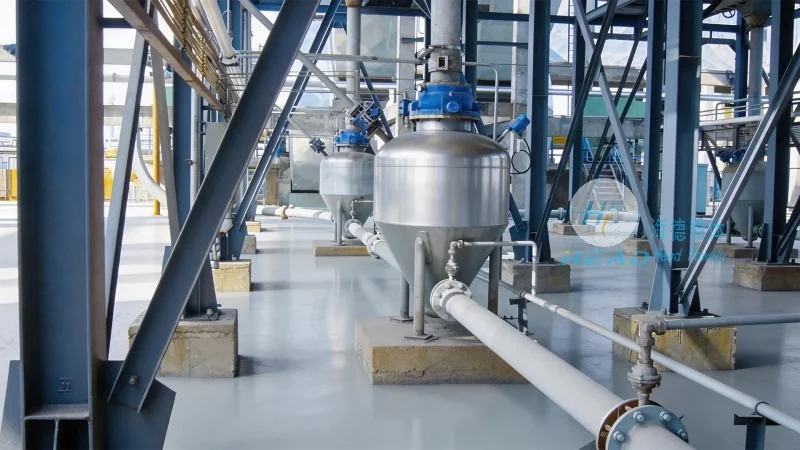
Advantages of Using Pneumatic Conveying for Cement and Ash
Compared to traditional mechanical conveying methods, cement dry ash pneumatic conveyors offer several distinct advantages. First, they provide a dust-free and enclosed transport environment, which is crucial for maintaining air quality and preventing contamination in industrial settings. This is particularly important in facilities where fine powders are handled, as it reduces the risk of respiratory issues for workers and minimizes the potential for environmental pollution. Second, pneumatic systems are highly flexible, allowing for multiple inlet and outlet points, and can be easily reconfigured to adapt to changes in production processes or facility layouts. Third, they require less space compared to other bulk handling solutions, making them suitable for installations with limited floor area. Fourth, the absence of moving parts in the pipeline reduces maintenance costs and downtime, contributing to overall operational efficiency. These benefits make pneumatic conveyors a preferred choice for many industries dealing with dry powders.
Applications in Cement and Power Generation Industries
Cement dry ash pneumatic conveyors are extensively used in the cement manufacturing and power generation sectors. In cement plants, these systems are employed to transport raw materials like fly ash from storage silos to the cement production line, or to move finished cement products from the grinding mills to storage silos. The ability to handle high volumes of material at a consistent rate is essential for maintaining the production schedule and ensuring quality control. In power stations, especially those with coal-fired boilers, the conveyors are used to transport fly ash from the boiler to ash storage facilities or to other processing units. The design of these systems must account for the high temperature and moisture content of the ash, requiring specialized materials and insulation to prevent corrosion and maintain operational integrity. Shandong HeadPowder Engineering Co., Ltd. has extensive experience in designing and manufacturing pneumatic conveyors tailored to the specific needs of these industries, ensuring reliable and efficient material handling solutions.
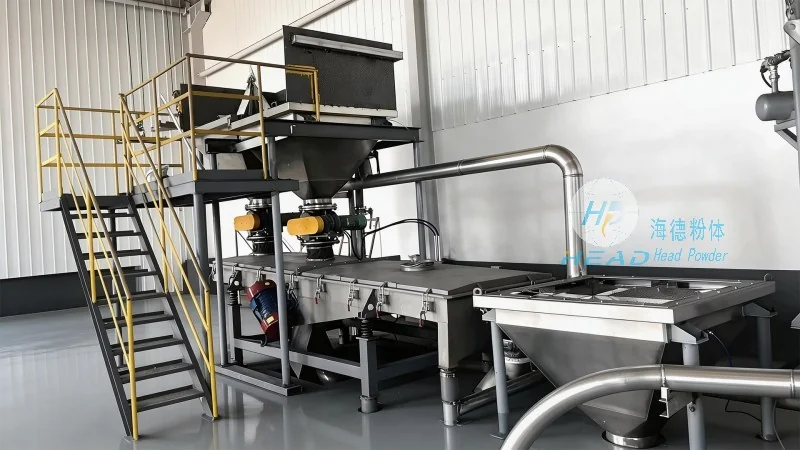
Customization and Engineering Solutions by HeadPowder
Shandong HeadPowder Engineering Co., Ltd. specializes in providing customized pneumatic conveyor solutions tailored to the unique requirements of each client. The company’s engineering team works closely with clients to assess their material handling challenges, production volumes, and facility constraints, then designs a system that optimizes performance and cost-effectiveness. Customization options may include different types of air compressors (positive displacement or rotary), varying pipeline materials (stainless steel, carbon steel, or plastic), and specialized components such as cyclone separators or rotary airlocks to handle specific material characteristics. The company’s commitment to quality and innovation ensures that their pneumatic conveyors meet the highest industry standards and are built to last. By leveraging advanced design software and rigorous testing protocols, HeadPowder delivers systems that are not only efficient but also reliable and low-maintenance, providing long-term value to their clients.