With more than 10‑year industry experience, Shandong Headpowder delivers full‑service pneumatic‑conveying systems and blowers, undertaking nationwide turn‑key powder‑handling projects.
For industrial applications involving the transport of sodium carbonate, a specialized equipment known as a pneumatic conveying machine is often employed. This article explores the concept of a sodium carbonate pneumatic conveying machine, detailing its operational principles and design considerations. The information is provided by Shandong HeadPowder Engineering Co., Ltd., a company based in China, specializing in engineering solutions for material handling.
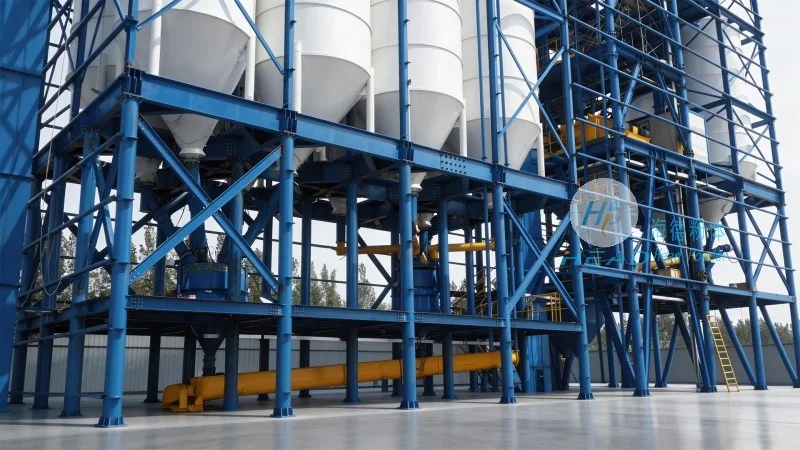
A sodium carbonate pneumatic conveying machine is a system designed to transport sodium carbonate, a common chemical compound used in various industries such as glass manufacturing, paper production, and chemical processing, through the use of air or gas. Unlike traditional mechanical conveyors, this equipment utilizes the force of pressurized air to move the material from one location to another within a facility. The machine is particularly advantageous for handling bulk materials over moderate distances, offering advantages like reduced maintenance compared to traditional systems and the ability to transport materials in a dust-free environment.
The design of a sodium carbonate pneumatic conveying machine typically includes several key components that work in tandem to ensure efficient material transport. These components include a hopper for storing the sodium carbonate, a blower or compressor to generate the necessary air pressure, a pipeline system to carry the material and air mixture, and a receiver or discharge point where the material is deposited. The hopper is designed to hold a sufficient quantity of sodium carbonate, ensuring a steady supply for the conveying process. The blower or compressor provides the motive force, creating a pressure differential that propels the material through the pipeline. The pipeline system is usually made of materials resistant to the chemical properties of sodium carbonate, such as stainless steel or specialized plastics, to prevent corrosion and material degradation. The receiver is equipped with a filter or separator to remove any entrained air from the material before it is discharged, ensuring a clean and efficient transfer.
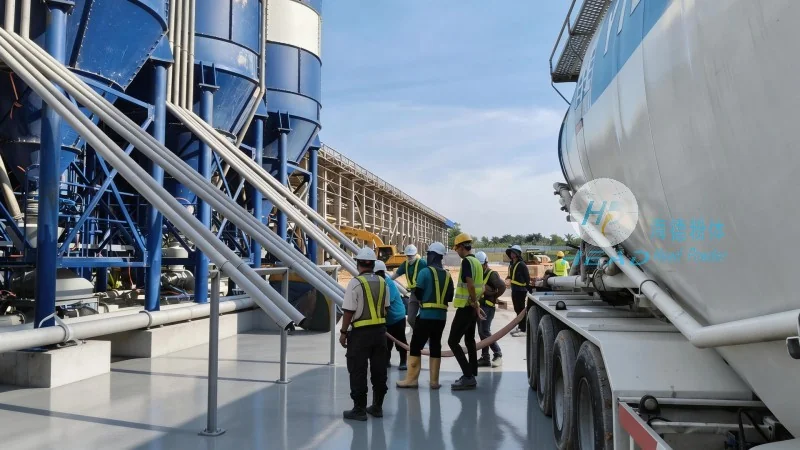
The design principles of a sodium carbonate pneumatic conveying machine are centered around the fundamental physics of fluid dynamics and material transport. The system operates on the principle of pneumatic conveying, where the material is suspended in a stream of air and carried through the pipeline. The key design considerations include the velocity of the air flow, the pressure differential, and the size and shape of the pipeline. The air velocity must be sufficient to keep the sodium carbonate particles suspended but not so high as to cause excessive wear on the system components or excessive energy consumption. The pressure differential is determined by the distance the material needs to travel and the resistance within the pipeline. Proper design ensures that the material moves smoothly without clogging or settling, which could lead to system inefficiencies or damage. The system may also incorporate features such as pulse jets or rotary valves to control the flow and prevent blockages, enhancing the overall reliability and performance of the conveying process.
Implementing a sodium carbonate pneumatic conveying machine offers several advantages in industrial settings. One of the primary benefits is the ability to transport sodium carbonate in a closed system, minimizing dust emissions and improving workplace safety. This is particularly important in environments where dust can be a health hazard or cause operational issues. Additionally, the system can handle materials that are difficult to convey using traditional methods, such as those with high moisture content or those that are prone to caking. The compact design of the machine allows for easy integration into existing industrial layouts, reducing the need for extensive modifications to the facility. The system is also energy-efficient compared to other conveying methods, as it uses air as the primary motive force, which can be more economical and environmentally friendly. In applications such as glass manufacturing, the sodium carbonate is used as a raw material, and the pneumatic conveying machine ensures a consistent and reliable supply to the production line. In paper production, it may be used as a filler or chemical additive, and the machine facilitates its transport to the processing units. Overall, the sodium carbonate pneumatic conveying machine is a critical component in many industrial processes, enabling efficient and safe material handling.
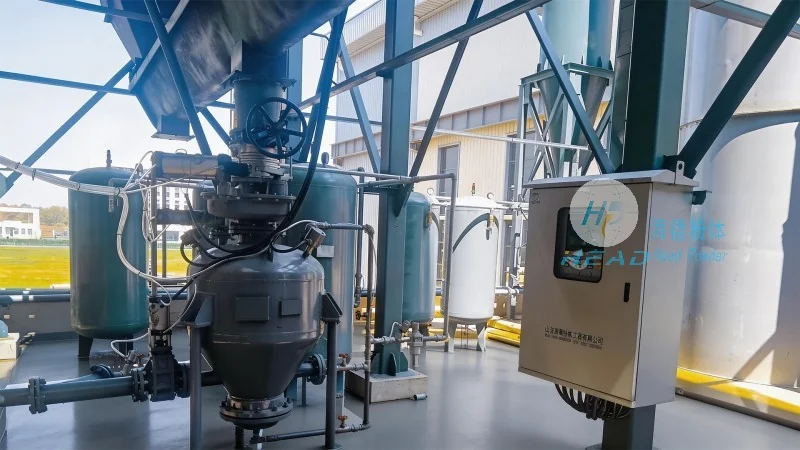
Shandong HeadPowder Engineering Co., Ltd. offers customized solutions for sodium carbonate pneumatic conveying machines, tailored to the specific needs of each industrial application. The company considers factors such as the volume of material to be conveyed, the distance of transport, the desired flow rate, and the environmental conditions of the facility when designing the system. Customization may include adjustments to the hopper size, the blower capacity, the pipeline diameter, and the receiver design to optimize performance. Regular maintenance is essential to ensure the longevity and efficiency of the system. This includes checking the air filter, inspecting the pipeline for any signs of wear or corrosion, and cleaning the hopper and receiver to prevent material buildup. The company provides maintenance services and spare parts to support its clients, ensuring that the equipment operates at peak performance. By adhering to proper maintenance protocols, the system can achieve long-term reliability and minimize downtime, contributing to the overall productivity of the industrial operation.
In conclusion, a sodium carbonate pneumatic conveying machine is a sophisticated piece of equipment designed to efficiently transport sodium carbonate in industrial settings. The design principles, components, and operational mechanics work together to provide a reliable and effective solution for material handling. The system offers advantages such as dust-free operation, energy efficiency, and the ability to handle challenging materials. Shandong HeadPowder Engineering Co., Ltd., based in China, specializes in providing such equipment and support services, ensuring that industrial facilities can meet their material transport needs with high performance and safety. The machine plays a crucial role in various industries, supporting the production processes and contributing to overall operational efficiency.

 Shandong Headpowder Engineering Co., Ltd.
 156-6277-7102(Manager Zhang)
  0531-83386006
  Zhangqiu District, Jinan City, Shandong Province, China
telephone
WeChatconsult
top