With more than 10‑year industry experience, Shandong Headpowder delivers full‑service pneumatic‑conveying systems and blowers, undertaking nationwide turn‑key powder‑handling projects.
Intelligent centralized pneumatic conveying systems represent a sophisticated solution in material handling, designed to efficiently transport bulk materials over long distances with minimal human intervention. This technology has revolutionized industries such as pharmaceuticals, food processing, and chemical manufacturing by offering a clean, flexible, and automated method for material transport. Understanding the core components and design principles of these systems is crucial for businesses seeking to optimize their operational efficiency and maintain product integrity.
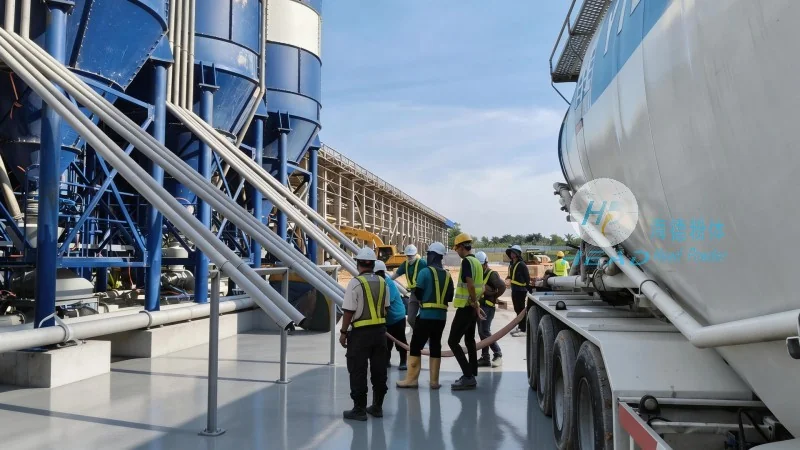
The foundation of any intelligent centralized pneumatic conveying system lies in its integrated components, each playing a vital role in the overall functionality. At the heart of the system is the conveying pipeline network, which consists of a series of pipes that connect various points of material origin and destination. This network is typically made from materials like stainless steel or food-grade plastic to ensure durability and compatibility with diverse materials. The system also includes material feeders, which are responsible for introducing bulk materials into the pipeline. These feeders can be screw feeders, rotary valves, or even vacuum pumps, depending on the material's characteristics and the required flow rate. Another critical component is the control system, which manages the entire operation. Modern systems often incorporate advanced software that monitors pressure, flow rates, and material levels in real-time, allowing for automated adjustments and predictive maintenance. This intelligent control ensures optimal performance and reduces downtime.
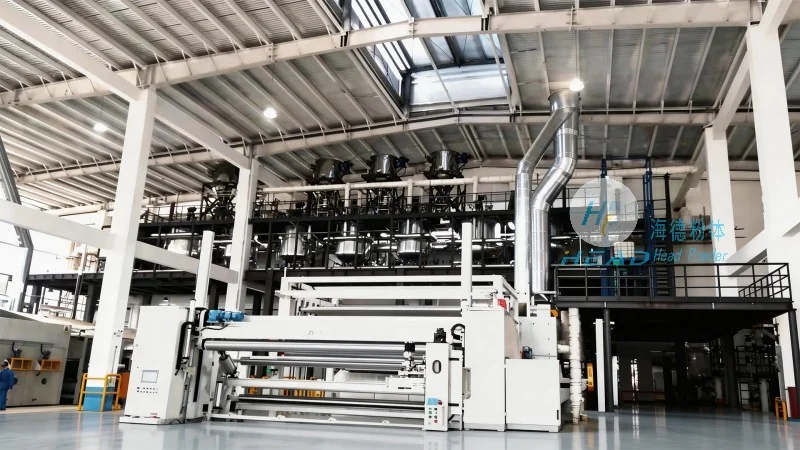
The design of intelligent centralized pneumatic conveying systems is guided by several key principles aimed at maximizing efficiency, reliability, and adaptability. One of the primary principles is modularity. Systems are designed with interchangeable modules that can be added or removed as production needs change. This modularity allows for scalability, enabling businesses to start with a basic system and expand it as their operations grow. Another critical principle is centralization. By consolidating control and monitoring functions at a central hub, the system reduces complexity and improves operational oversight. This centralization also facilitates easier maintenance and troubleshooting, as technicians can access data from a single point. The design also emphasizes energy efficiency. Advanced systems use variable frequency drives (VFDs) to adjust air pressure and flow rates dynamically, minimizing energy consumption while maintaining optimal conveying performance. This not only reduces operational costs but also aligns with sustainability goals. Additionally, the design prioritizes hygiene and safety. For industries like food and pharmaceuticals, the system's components are often constructed from materials that are easy to clean and sanitize, and the design incorporates safety features such as pressure relief valves and emergency shut-off mechanisms to prevent accidents.
Intelligent centralized pneumatic conveying systems find applications across a wide range of industries due to their versatility and efficiency. In the pharmaceutical industry, these systems are used to transport active pharmaceutical ingredients (APIs) and finished products with strict contamination control requirements. The clean, enclosed design prevents cross-contamination and ensures product purity. In food processing, the systems handle ingredients like flour, sugar, and spices, maintaining food safety standards while reducing labor costs. The chemical industry benefits from the ability to transport hazardous materials safely, as the enclosed system prevents exposure to workers. The primary benefits of these systems include increased productivity through automation, reduced labor costs, improved material handling accuracy, and enhanced safety. By eliminating manual handling, the risk of workplace injuries is significantly reduced. Additionally, the centralized control allows for better inventory management, as the system can track material flow and usage in real-time. This leads to better resource allocation and reduced waste.
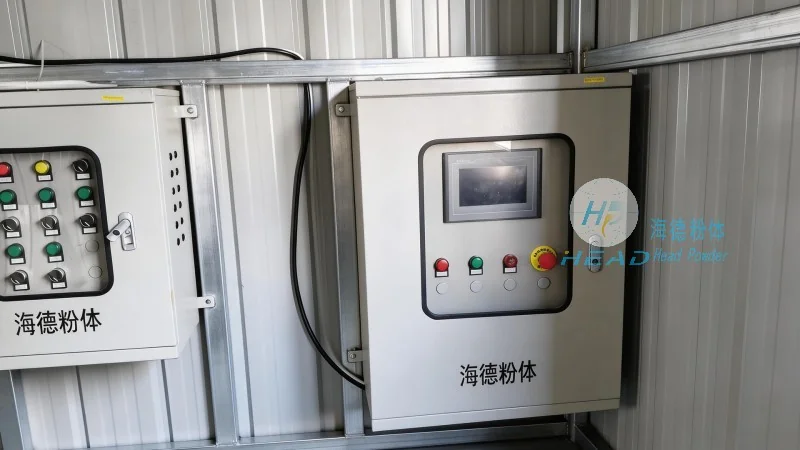
Intelligent centralized pneumatic conveying systems represent a cutting-edge solution for modern material handling challenges. Their design, rooted in modularity, centralization, energy efficiency, and safety, provides businesses with a reliable and adaptable method for transporting bulk materials. As industries continue to demand higher efficiency and product quality, these systems will remain a critical component of operational infrastructure. Shandong HeadPowder Engineering Co., Ltd., a leading provider in this field, specializes in designing and manufacturing such systems tailored to the specific needs of various industries. With a focus on innovation and customer satisfaction, the company has established itself as a trusted partner for businesses seeking to optimize their material handling processes. Located in Shandong, China, HeadPowder Engineering leverages advanced technology and expertise to deliver high-quality solutions that enhance operational efficiency and product integrity. Whether for pharmaceutical, food, or chemical applications, their intelligent centralized pneumatic conveying systems offer a robust and efficient solution for modern industrial needs.

 Shandong Headpowder Engineering Co., Ltd.
 156-6277-7102(Manager Zhang)
  0531-83386006
  Zhangqiu District, Jinan City, Shandong Province, China
telephone
WeChatconsult
top