With more than 10‑year industry experience, Shandong Headpowder delivers full‑service pneumatic‑conveying systems and blowers, undertaking nationwide turn‑key powder‑handling projects.
Corn pneumatic conveying is a method used in agricultural and industrial settings to transport corn and other grain materials through a system of pipes using air pressure. This technology offers an efficient alternative to traditional mechanical conveying methods, such as belt conveyors or bucket elevators, by leveraging the force of air to move bulk materials. The process involves creating a flow of air within a pipeline, which then carries the corn particles along the path of the system. This approach is particularly beneficial for applications where materials need to be moved over long distances or through complex layouts without the need for multiple transfer points. The system typically operates by drawing air into a blower, which then pressurizes it and forces it through the pipeline. The corn is introduced into the system at a feed point, often via a hopper or a rotary valve, and is then entrained by the air flow. As the air and corn mixture travels through the pipeline, the air velocity is maintained at a level sufficient to keep the corn particles suspended, preventing them from settling or clogging the system. The design of the pipeline, including the diameter and length, is critical to ensuring that the air velocity remains within the optimal range for conveying the corn. The end of the pipeline features a separator, which uses centrifugal force to separate the corn from the air, allowing the corn to be collected in a discharge bin while the air is either recirculated or vented to the atmosphere.
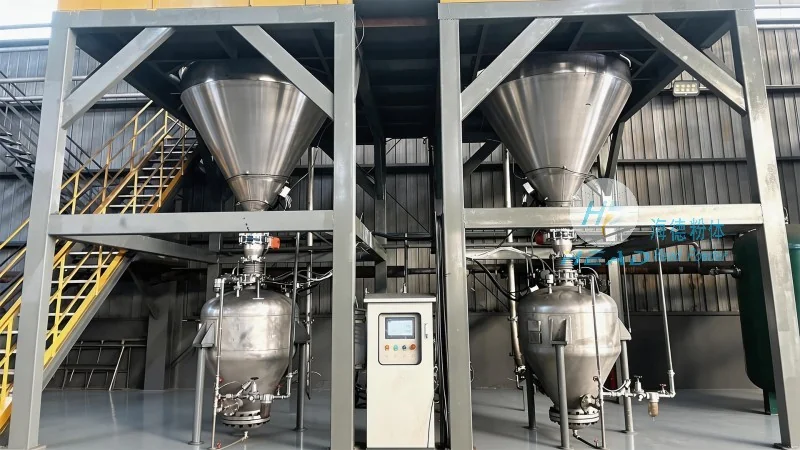
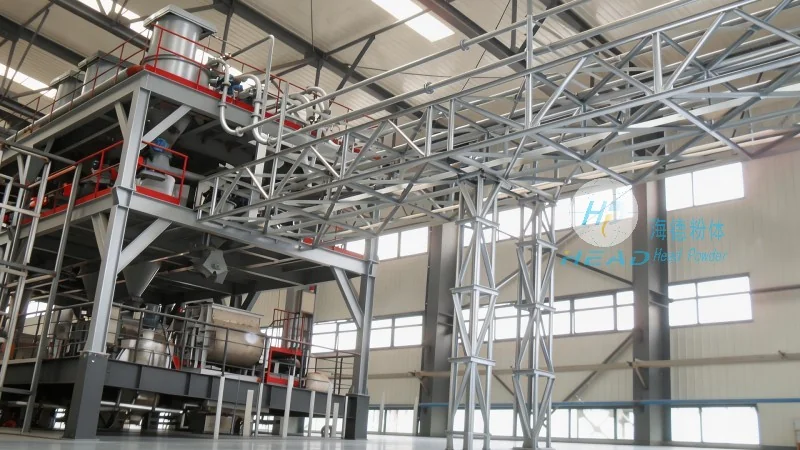
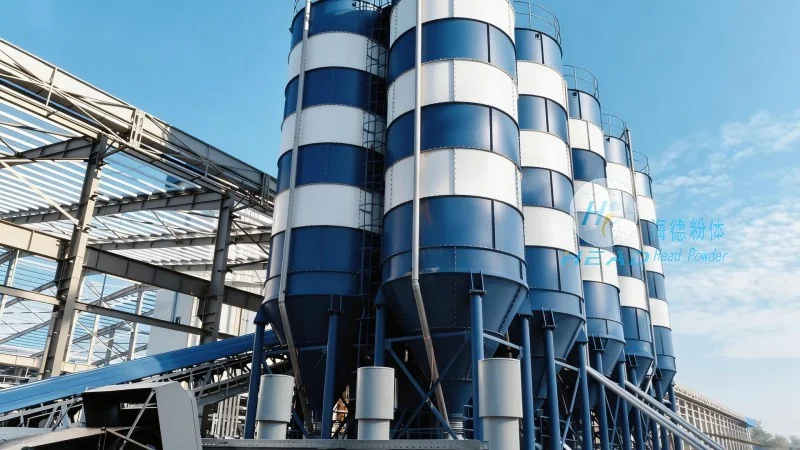
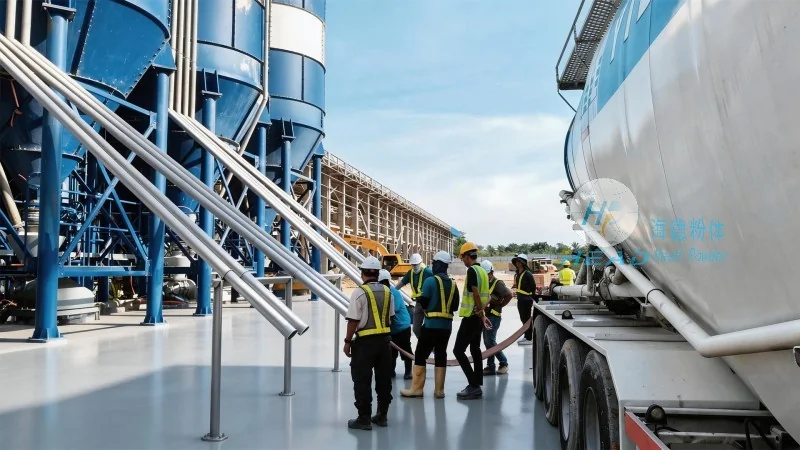
The design of a corn pneumatic conveying system is based on several key principles that ensure efficient and reliable operation. The primary principle is the creation of a consistent air flow that can effectively lift and transport the corn particles. This is achieved by using a combination of components, including a blower or fan to generate the necessary air pressure, a hopper or feed point to introduce the corn into the system, and a series of pipes that guide the material to its destination. The system must be designed to handle the specific characteristics of corn, such as its size, density, and moisture content, to prevent issues like blockages or material degradation. Additionally, the design considers factors like the required conveying distance, the volume of material to be moved, and the desired speed of transport. Engineers must calculate the appropriate air velocity and pressure to ensure that the corn particles are carried without excessive wear on the system components. The system may also include features like cyclones or filters to separate the corn from the air at the end of the process, ensuring that the material is delivered in a clean and usable state. The selection of materials for the pipeline and components is also crucial, as they must be resistant to corrosion and wear from the corn particles. Stainless steel is often used for the pipeline and separators due to its durability and ability to handle the abrasive nature of corn, while the blower and other mechanical parts are typically made from materials that can withstand the high pressures and temperatures involved in the operation.

 Shandong Headpowder Engineering Co., Ltd.
 156-6277-7102(Manager Zhang)
  0531-83386006
  Zhangqiu District, Jinan City, Shandong Province, China
telephone
WeChatconsult
top