

Working Principle and Features of Cellulose Pneumatic Conveying Systems
HeadPowder, a leading manufacturer based in Shandong, China, specializes in advanced pneumatic conveying solutions tailored for cellulose materials. Our systems are designed to efficiently transport cellulose-based products with precision and reliability, addressing the unique challenges of handling such materials in industrial applications.
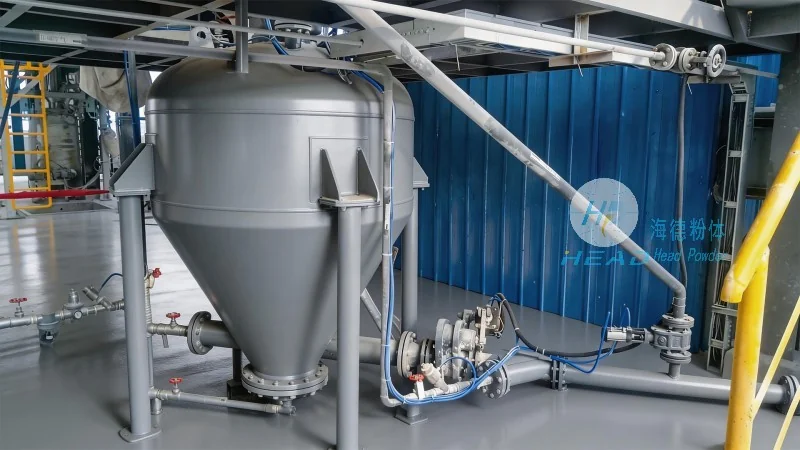
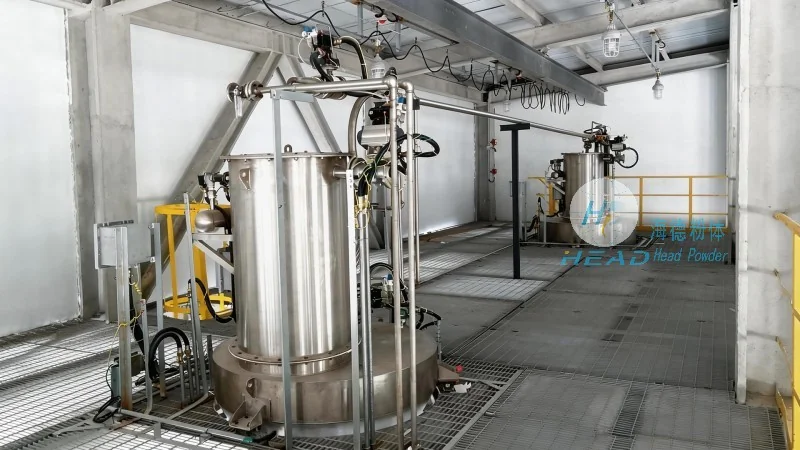
Working Principle of Cellulose Pneumatic Conveying Systems
The core mechanism of a cellulose pneumatic conveying system involves the use of air as the primary transport medium. The system typically operates by creating a pressure differential between the inlet and outlet of the conveying line. In the suction mode, a vacuum is generated at the material inlet, drawing the cellulose particles into the system. The particles are then carried through the pipeline by a stream of air, which can be either under pressure (positive pressure) or at atmospheric pressure (suction). The system includes key components such as a hopper for material storage, a rotary valve or feeder to control the flow rate, a conveying line, and a receiver for the discharged material. The air flow is regulated by a blower or fan, ensuring consistent particle transport without clogging or degradation of the cellulose material. This method eliminates the need for mechanical components like belts or chains, reducing maintenance and increasing operational efficiency. Additionally, the system incorporates air filtration and moisture control mechanisms to maintain the quality of the cellulose material during transport. The use of high-quality materials for the conveying line, such as stainless steel or corrosion-resistant plastic, ensures durability and resistance to the acidic or alkaline properties of certain cellulose products. These features collectively enhance the system's reliability and performance in handling diverse cellulose materials.
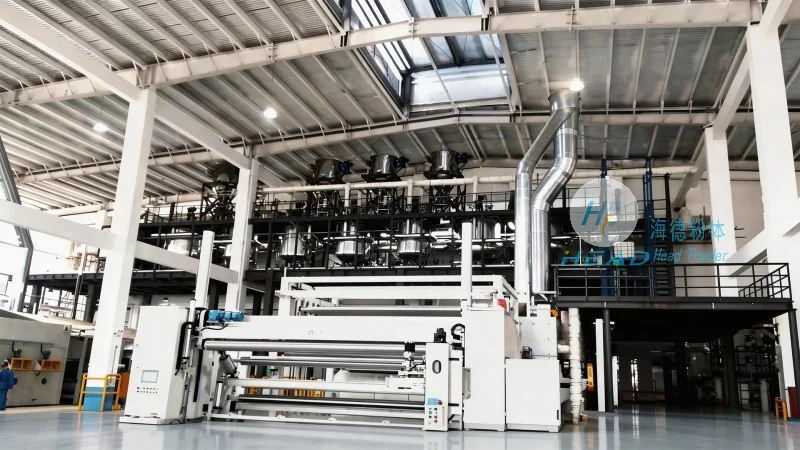
Key Features and Advantages of Cellulose Pneumatic Conveying Systems
Cellulose pneumatic conveying systems offer several distinct advantages that make them ideal for industrial applications. Firstly, they provide a dust-free and hygienic method of material transport, which is crucial for food-grade cellulose products. The enclosed system prevents contamination and dust dispersion, ensuring compliance with health and safety regulations. Secondly, these systems are highly flexible in terms of layout and can be easily integrated into existing production lines. They can handle a wide range of particle sizes and moisture contents, making them suitable for various cellulose materials such as wood pulp, paper fibers, and agricultural residues. Thirdly, the absence of moving parts reduces wear and tear, leading to lower maintenance costs and longer system lifespans. Additionally, the system's ability to operate in both positive and negative pressure modes allows for versatile applications, including both material intake and discharge. The energy efficiency of pneumatic conveying, especially when using efficient blowers, contributes to reduced operational costs over time. Furthermore, the system's compact design minimizes floor space requirements, making it suitable for facilities with limited room for large equipment. These features collectively enhance productivity, safety, and overall operational performance in cellulose processing industries. Moreover, the system's ability to handle high-volume material transport without the need for manual intervention improves labor efficiency and reduces the risk of human error. The integration of advanced control systems allows for real-time monitoring and adjustment of the conveying process, ensuring optimal performance under varying operational conditions. This adaptability and control capability make cellulose pneumatic conveying systems a reliable and cost-effective solution for manufacturers in the cellulose industry.
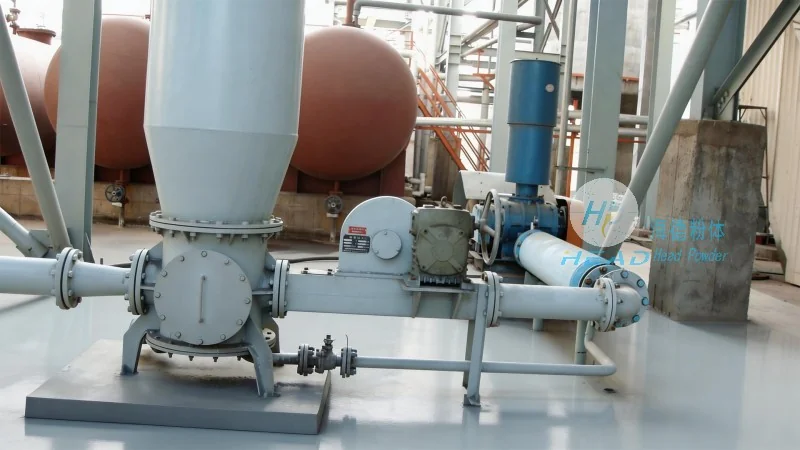
Applications and Material Handling Capabilities
Cellulose pneumatic conveying systems are widely used in various industries that process cellulose-based materials. In the paper and pulp industry, these systems are essential for transporting wood chips, pulp, and recycled paper fibers from storage to processing units. The systems ensure a continuous and controlled flow of raw materials, which is critical for maintaining production efficiency. For example, in a paper mill, the system can transport wood chips from a storage silo to a pulping machine, where they are converted into pulp. The consistent flow of material prevents bottlenecks and ensures that the pulping process runs smoothly. In the agricultural sector, they are used to convey agricultural residues like straw and corn stalks, which are processed into biofuels or animal feed. The ability to handle high volumes of bulk materials with minimal labor makes these systems cost-effective for large-scale operations. For instance, in a biofuel plant, the system can transport straw from a field to a processing facility, where it is converted into ethanol. The dust-free and hygienic nature of the system is particularly important in food processing industries, where cellulose is used as an excipient or filler. In pharmaceutical manufacturing, the system ensures that the cellulose material remains free from contaminants, meeting stringent quality standards for drug formulations. The versatility of the system allows it to adapt to different processing requirements, from small-scale laboratory operations to large industrial plants. This adaptability makes cellulose pneumatic conveying systems a preferred choice for manufacturers seeking reliable and efficient material handling solutions. The systems are also used in the production of cellulose-based products such as paper, cardboard, and textiles, where consistent material supply is essential for maintaining product quality and reducing waste.