

Working Principle and Features of Barium Sulfate Pneumatic Conveying Systems
Barium sulfate, also known as barium sulphate, is a widely used industrial material in various sectors such as pharmaceuticals, coatings, and pigments. The efficient and safe transportation of barium sulfate is crucial for industrial processes, and pneumatic conveying systems have emerged as a preferred solution. This article explores the working principle and key features of barium sulfate pneumatic conveying systems, highlighting the technology's benefits and applications.
Introduction to Barium Sulfate Pneumatic Conveying Systems
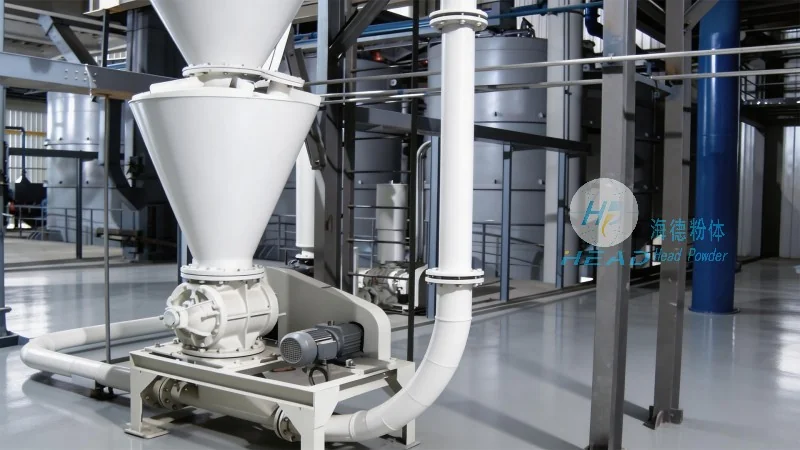
Barium sulfate pneumatic conveying systems are designed to transport barium sulfate powder from one location to another using air as the conveying medium. These systems are essential in industrial settings where traditional methods like bucket elevators or belt conveyors may not be suitable due to the material's properties, such as its fine particle size and potential for dust generation. The systems are engineered to ensure minimal product degradation, high efficiency, and compliance with safety standards.
Working Principle of Barium Sulfate Pneumatic Conveying Systems
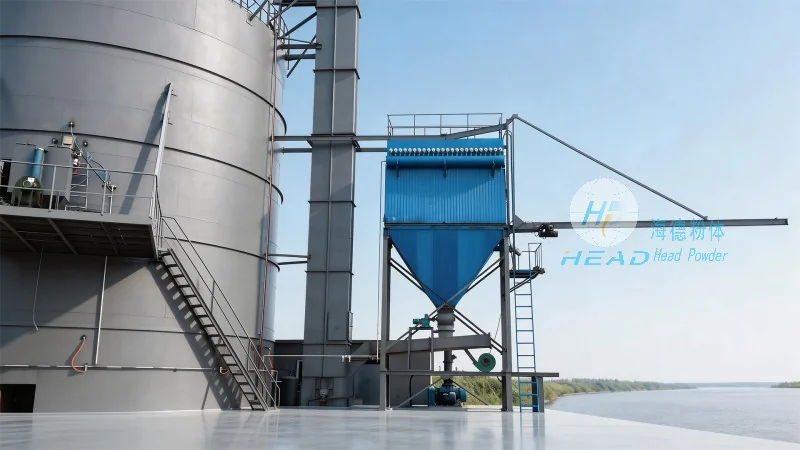
The core working principle of barium sulfate pneumatic conveying systems involves the use of compressed air to create a flow that transports the powder through a pipeline. The system typically consists of several key components, including a hopper for material storage, a feeder to control the flow rate, a compressor to generate the air pressure, and a pipeline network that delivers the material to the destination. The process begins when the barium sulfate is introduced into the hopper. The feeder then meters the material into the pipeline, where it is mixed with the compressed air. The air, moving at high velocity, entrains the powder particles and propels them through the pipeline to the receiving hopper or processing unit. The system may use either positive or negative pressure depending on the application, with positive pressure systems being more common for long-distance or high-volume conveying.
Key Features of Barium Sulfate Pneumatic Conveying Systems
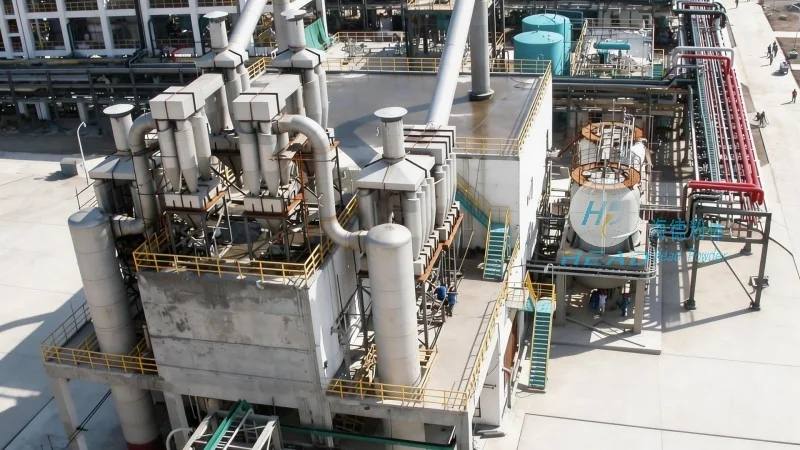
Barium sulfate pneumatic conveying systems offer several advantages that make them ideal for handling this material. One of the primary features is their ability to handle fine powders without causing segregation or agglomeration. The air flow ensures that the particles remain suspended and move uniformly, preventing issues like caking or blockages. Another significant feature is the system's flexibility in terms of layout and integration with existing industrial infrastructure. The pipelines can be configured in various shapes and sizes to suit the plant layout, allowing for easy adaptation to different production needs. Additionally, these systems are designed with safety in mind, incorporating features such as dust collection and explosion-proof components to minimize risks associated with powder handling. The use of pneumatic conveying also reduces the need for manual handling, improving workplace safety and operational efficiency.
Applications and Benefits in Industrial Settings
Barium sulfate pneumatic conveying systems are widely used in industries that rely on barium sulfate as a raw material. In the pharmaceutical industry, for example, the systems are used to transport barium sulfate for use in medical imaging agents, ensuring that the material is delivered to production lines in a clean and controlled manner. In the coatings industry, the systems help in transporting barium sulfate pigments to mixing and coating equipment, maintaining the quality and consistency of the final product. The benefits of using pneumatic conveying include reduced material loss, lower maintenance costs compared to traditional conveyors, and improved process control. The systems also contribute to a cleaner working environment by minimizing dust exposure, which is particularly important for handling fine powders like barium sulfate.
Conclusion and Company Information
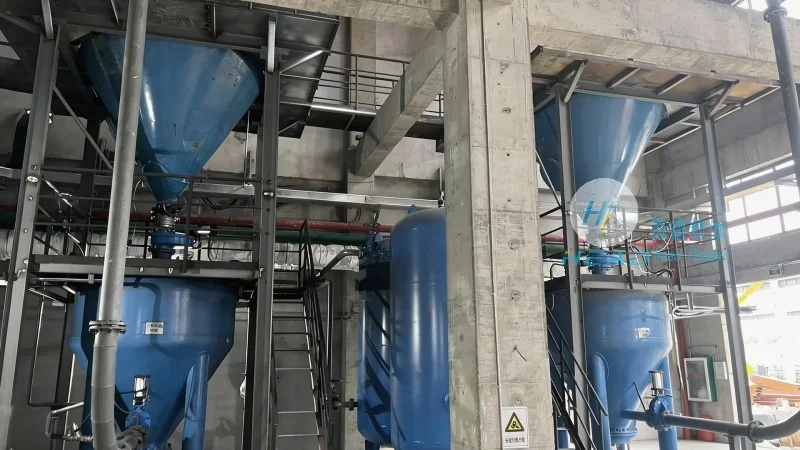
Barium sulfate pneumatic conveying systems represent a sophisticated solution for the efficient and safe transportation of this critical industrial material. By leveraging compressed air to move the powder through pipelines, these systems offer advantages such as minimal product degradation, high flexibility, and enhanced safety. For companies seeking reliable and effective conveying solutions, the technology provides a robust option that aligns with modern industrial requirements. Shandong HeadPowder Engineering Co., Ltd., a leading provider in this field, specializes in designing and manufacturing pneumatic conveying systems tailored to the specific needs of barium sulfate handling. With a focus on quality and innovation, the company ensures that its systems meet the highest standards of performance and safety, supporting the operational efficiency of industries that rely on barium sulfate. The company's facilities are located in Shandong, China, where it continues to advance its expertise in pneumatic conveying technology to serve global markets.