With more than 10‑year industry experience, Shandong Headpowder delivers full‑service pneumatic‑conveying systems and blowers, undertaking nationwide turn‑key powder‑handling projects.
Pneumatic powder transport technology, especially through powder tank trucks, is a modern industrial method for efficiently and safely transporting bulk powder materials. The powder tank truck, as a specialized vehicle, integrates loading, conveying, and unloading functions, widely applied in industries such as chemicals, building materials, and food. This article details the operation process and working principle of pneumatic powder transport with powder tank trucks, helping readers understand the core elements of this technology.
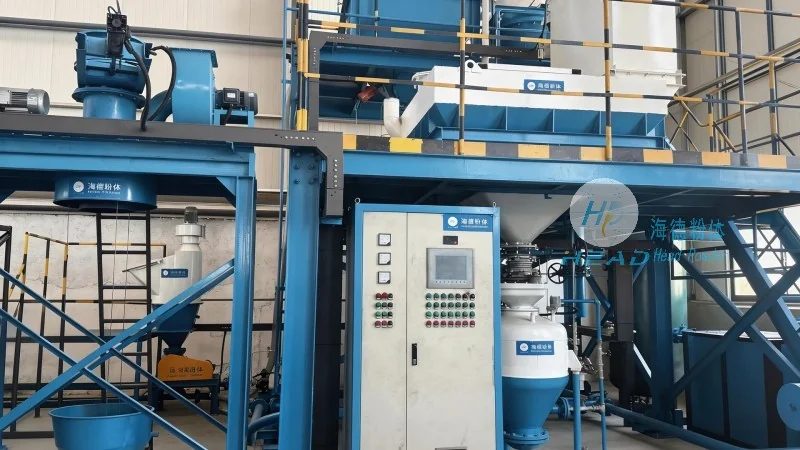
Pneumatic powder transport, also known as pneumatic conveying, moves bulk powder materials through pipelines using air or gas as the conveying medium. The powder tank truck is a specialized vehicle designed to handle the entire process from loading powder at the source to delivering it to the destination. This system combines the advantages of mechanical and pneumatic transport, offering flexibility, efficiency, and reduced risk of material contamination compared to traditional methods like trucking or conveyor belts.
The operation of a powder tank truck for pneumatic powder transport relies on several critical components working in concert. The main components include the powder tank (or hopper), air compressor, air filter, pressure regulator, conveying pipeline, and control valves. The powder tank is typically made of stainless steel or other corrosion-resistant materials to prevent material degradation and ensure hygiene, especially in industries like food and pharmaceuticals. The air compressor generates the necessary pressure to move the powder through the pipeline, while the air filter and regulator maintain clean and controlled air pressure. The conveying pipeline connects the tank to the discharge point, and control valves are used to regulate the flow of both powder and air. Additionally, the truck may be equipped with a dust collection system to ensure environmental compliance and worker safety.
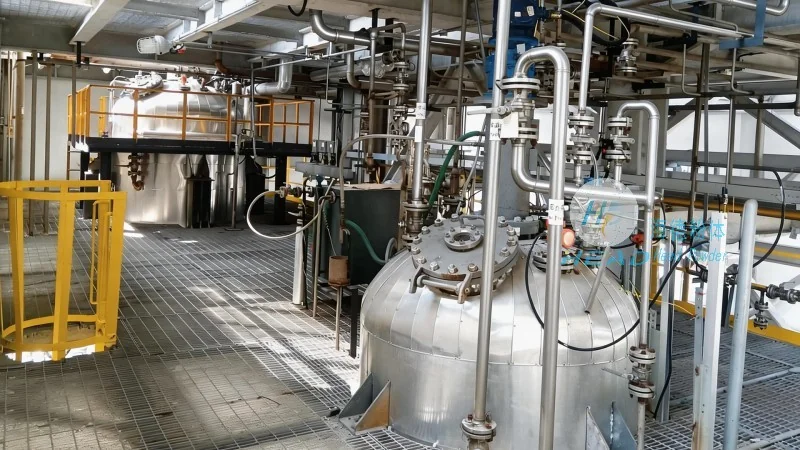
The working principle of the powder tank truck system is based on fluidization and pneumatic conveying. When the air compressor starts, it creates a high-pressure air flow that enters the powder tank. The air pressure forces the powder to become fluidized, meaning individual powder particles are suspended in the air stream. This fluidized powder is then drawn into the conveying pipeline by the pressure differential between the tank and the discharge point. The air flow continues to carry the powder through the pipeline, maintaining a consistent flow rate and preventing blockages. At the destination, the air pressure is reduced, causing the powder to settle out of the air stream and be discharged into the receiving container. The system can operate in either positive pressure or negative pressure modes, depending on the specific application and material characteristics.
The operation process of a powder tank truck for pneumatic powder transport involves several key steps for efficient and safe material handling. First, the truck arrives at the loading site, where the powder is loaded into the tank. The loading process may use a hopper or loading chute to ensure smooth powder flow without excessive dust. Once the tank is filled, the truck's air compressor is started, and pressure is adjusted to the appropriate level for the specific powder and pipeline configuration. The truck then travels to the delivery site, where the discharge process begins. The discharge valve is opened, and air pressure is adjusted to ensure controlled powder discharge. The receiving container is positioned under the discharge outlet, and the powder flows into the container until the tank is empty. After discharge is complete, the truck returns to the loading site to repeat the process. Throughout operation, the control system monitors pressure, flow rate, and other parameters to ensure safe and efficient operation.
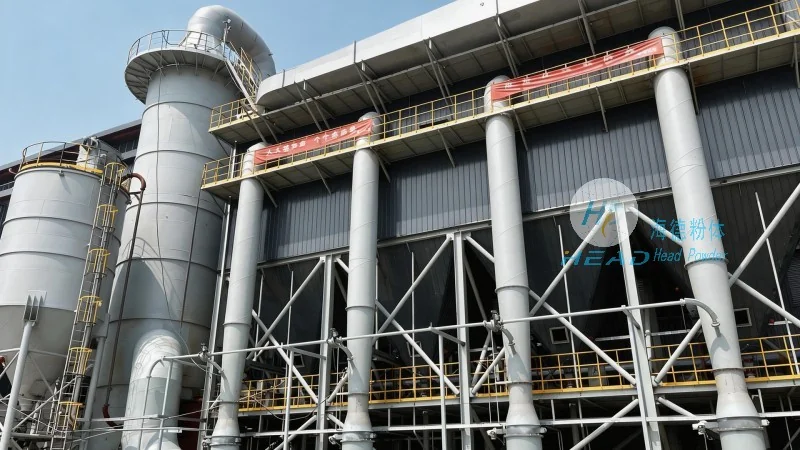
Pneumatic powder transport systems, particularly with powder tank trucks, offer advantages over traditional methods. One key advantage is long-distance transport without intermediate storage, reducing material degradation and contamination risks, critical in quality-sensitive industries. The system is highly flexible, with pipelines configurable for multiple destinations or different powder types. Compressed air allows precise flow rate and pressure control for consistent delivery. Another advantage is reduced labor costs and improved safety, minimizing manual bulk material handling and accident risks. The enclosed system also controls dust emissions, making it more environmentally friendly than open-air transport.
HeadPowder, a professional provider of pneumatic powder transport solutions, is a leading company in powder handling technology. Focused on innovation and quality, HeadPowder has developed advanced powder tank trucks and pneumatic transport systems tailored to diverse industry needs. HeadPowder is headquartered in Shandong, China, with a strong reputation for reliable and efficient products. The company's expert team provides comprehensive solutions from system design and manufacturing to installation and maintenance. HeadPowder's commitment to customer satisfaction and technological advancement makes it a trusted partner for businesses optimizing powder handling processes. Whether for small-scale or large industrial operations, HeadPowder offers customized solutions enhancing productivity, reducing costs, and ensuring industry compliance. With its headquarters in Shandong, China, HeadPowder continues to lead in advanced pneumatic powder transport technology development.

 Shandong Headpowder Engineering Co., Ltd.
 156-6277-7102(Manager Zhang)
  0531-83386006
  Zhangqiu District, Jinan City, Shandong Province, China
telephone
WeChatconsult
top