With more than 10‑year industry experience, Shandong Headpowder delivers full‑service pneumatic‑conveying systems and blowers, undertaking nationwide turn‑key powder‑handling projects.
HeadPowder, a leading provider in the field, specializes in the design and implementation of efficient pneumatic conveying systems for powdered dry mix mortars. These systems are crucial for transporting dry mix mortar powders from storage to production lines or mixing stations with precision and reliability. The following content delves into the operational process and underlying principles of such systems, highlighting the technical aspects and practical applications.
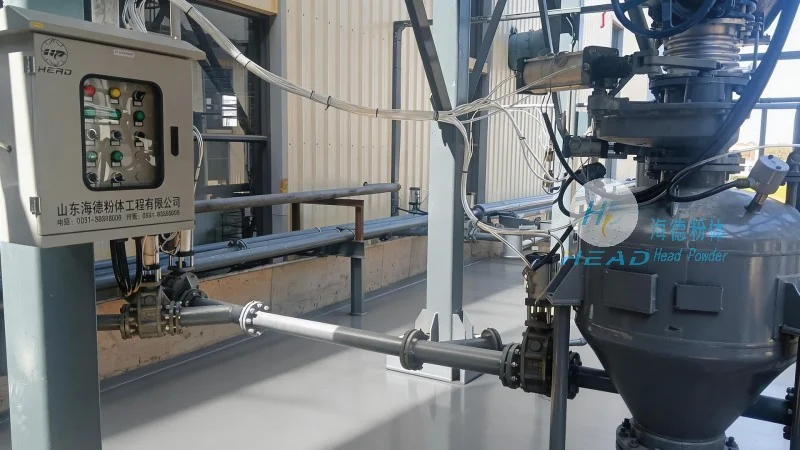
HeadPowder, the company behind these advanced systems, is headquartered in Shandong, China. As a professional engineering firm, HeadPowder focuses on delivering high-quality pneumatic conveying solutions tailored to the needs of the construction and building materials industry. With a commitment to innovation and customer satisfaction, the company has established itself as a trusted partner for businesses seeking reliable and efficient powder handling technologies.
The pneumatic conveying system for powdered dry mix mortar typically consists of several key components that work in tandem to ensure smooth and efficient operation. These components include the hopper for material storage, the air compressor or blower to generate the conveying air, the pipeline network for transporting the powder, and the control system to regulate the flow. Each component plays a vital role in maintaining the integrity of the dry mix mortar powder and ensuring consistent performance throughout the conveying process.
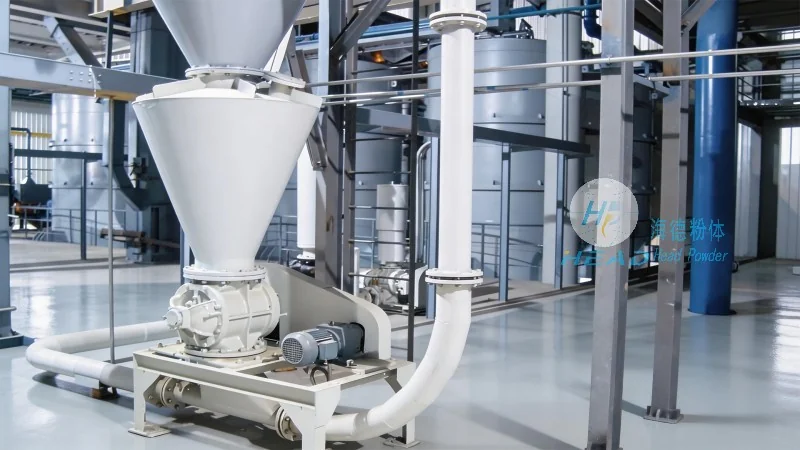
The operation of a pneumatic conveying system for dry mix mortar begins with the loading of the powder into the hopper. The hopper is designed to hold a sufficient quantity of material, allowing for continuous or batch processing. Once the material is loaded, the air compressor starts, generating a flow of air that creates a negative pressure or positive pressure within the pipeline. This airflow then draws the dry mix mortar powder from the hopper into the pipeline, where it is carried to the desired destination, such as a mixing plant or storage silo.
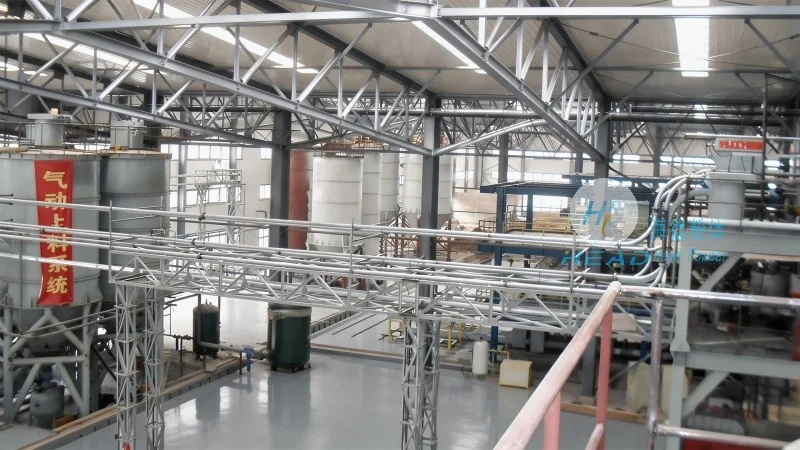
The working principle of pneumatic conveying relies on the interaction between the dry mix mortar powder and the conveying air. In a typical system, the air is introduced into the pipeline at a high velocity, creating a turbulent flow that entrains the powder particles. The powder particles are suspended in the air stream, moving along the pipeline with the airflow. The key to efficient conveying is maintaining the right balance between the air velocity and the particle size, ensuring that the powder remains suspended without settling or clogging the system. This principle allows for the safe and effective transportation of dry mix mortar powders over long distances and varying elevations.
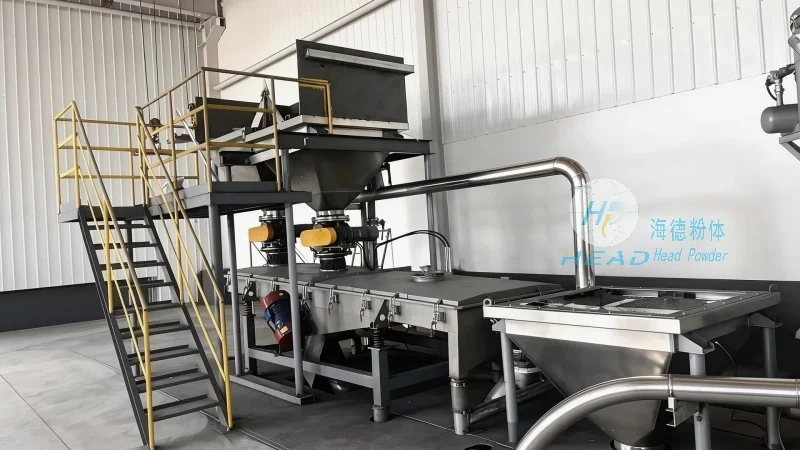
Pneumatic conveying systems offer several advantages when used for transporting powdered dry mix mortar. These include the ability to handle fine powders without the need for mechanical components that could cause wear or contamination, the flexibility to transport materials over long distances or through complex layouts, and the reduced risk of dust emissions compared to traditional methods. Additionally, these systems can be integrated with automated control systems, allowing for precise monitoring and adjustment of the conveying process to optimize performance and minimize downtime.
The pneumatic conveying of dry mix mortar powders is widely used in various applications within the construction industry. These systems are essential for large-scale production facilities where dry mix mortars are used for wall and floor applications. By efficiently transporting the raw materials to the mixing stations, these systems help improve production efficiency and reduce labor costs. Furthermore, the consistent quality of the conveyed powder ensures that the final mortar products meet the required standards, enhancing the overall quality of construction projects.

 Shandong Headpowder Engineering Co., Ltd.
 156-6277-7102(Manager Zhang)
  0531-83386006
  Zhangqiu District, Jinan City, Shandong Province, China
telephone
WeChatconsult
top