

Operation Process and Working Principle of Pulse-Type Powder Pneumatic Conveying System
HeadPowder, a leading engineering company based in Shandong, China, specializes in the design, manufacturing, and installation of advanced pneumatic conveying systems. The pulse-type powder pneumatic conveying system is one of their core products, widely used in various industries for efficient powder handling. This article provides a detailed overview of the operation process and working principle of this system, highlighting its key components, operational steps, and technical advantages.
Pulse-Type Powder Pneumatic Conveying System: An Overview
HeadPowder Engineering Co., Ltd., headquartered in Shandong, China, is dedicated to providing high-quality engineering solutions for material handling. The pulse-type powder pneumatic conveying system is a sophisticated piece of equipment designed to transport bulk powders over long distances with minimal loss and maximum efficiency. This system is particularly suitable for industries such as pharmaceuticals, food processing, chemical manufacturing, and mining, where precise and reliable powder transport is crucial.
Key Components of the Pulse-Type Powder Pneumatic Conveying System
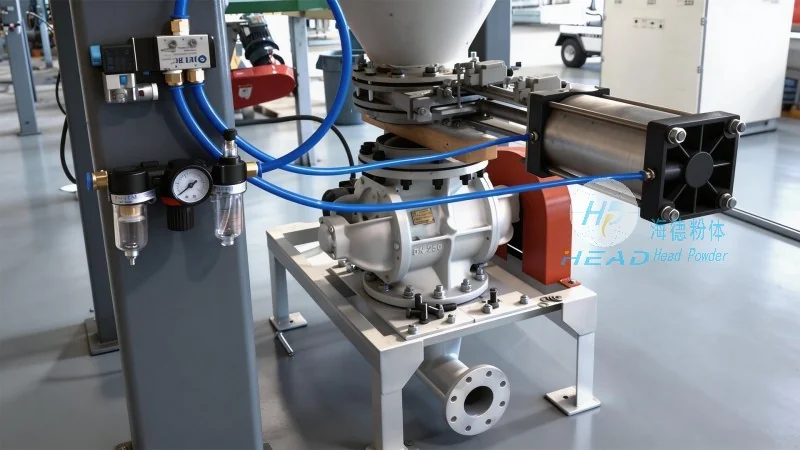
The pulse-type powder pneumatic conveying system consists of several essential components that work in tandem to ensure smooth operation. These components include the hopper, feeder, pulse valve, air compressor, filter, and receiver. Each component plays a vital role in the overall functionality of the system.
The hopper is the storage vessel where the bulk powder is placed. It is designed to maintain a consistent powder level and prevent caking or bridging. The feeder, typically a rotary valve or a screw feeder, regulates the flow of powder from the hopper into the conveying line. The pulse valve is a critical component that generates short bursts of compressed air to create a pulse effect, which helps to maintain the flow of powder and prevent blockages. The air compressor supplies the necessary compressed air, while the filter removes any moisture or contaminants from the air. The receiver is the final container where the conveyed powder is deposited.
Operation Process of the Pulse-Type Powder Pneumatic Conveying System
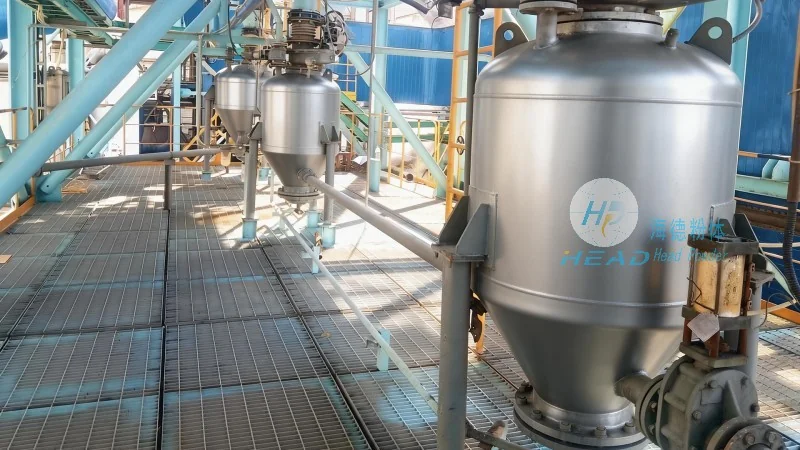
The operation of the pulse-type powder pneumatic conveying system involves several sequential steps. First, the bulk powder is loaded into the hopper. The feeder then starts to discharge the powder at a controlled rate. Simultaneously, the air compressor supplies compressed air to the pulse valve. The pulse valve generates short, high-pressure pulses that travel through the conveying line, creating a pressure wave that pushes the powder forward. The filter ensures that the air is clean and free from contaminants, which is essential for maintaining the system's efficiency and longevity. The receiver collects the powder as it is conveyed through the system.
Working Principle of the Pulse-Type Powder Pneumatic Conveying System
The working principle of the pulse-type powder pneumatic conveying system is based on the principle of pneumatic transport, where powders are conveyed using a carrier gas, typically air. The system operates by creating a pressure differential between the hopper and the receiver. The pulse valve generates periodic pressure pulses that create a "slug" of powder and air, which moves through the pipeline. The pressure pulses help to maintain the flow of powder and prevent the formation of air pockets or blockages. The air compressor provides the necessary pressure to overcome the resistance in the pipeline and ensure that the powder is conveyed efficiently. The filter removes any moisture or contaminants from the air, which helps to prevent corrosion and maintain the system's performance.
Advantages of the Pulse-Type Powder Pneumatic Conveying System
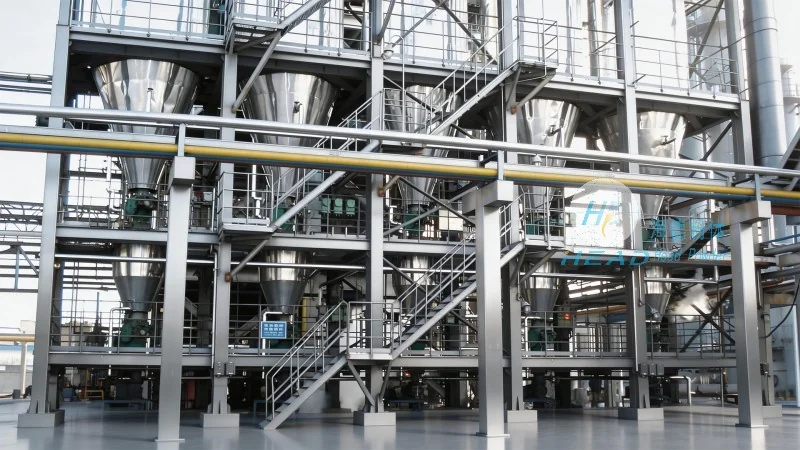
The pulse-type powder pneumatic conveying system offers several advantages over traditional conveying methods. One of the key advantages is its ability to transport powders over long distances with minimal loss and maximum efficiency. The system is also highly flexible, as it can be easily adjusted to handle different types of powders and varying flow rates. Additionally, the system is compact and requires less space compared to other conveying methods, making it suitable for installations with limited space. The pulse valve technology ensures that the system operates smoothly and prevents blockages, reducing downtime and maintenance costs.
Applications of the Pulse-Type Powder Pneumatic Conveying System
The pulse-type powder pneumatic conveying system is widely used in various industries due to its versatility and efficiency. In the pharmaceutical industry, it is used to transport active pharmaceutical ingredients (APIs) and other powders with high purity requirements. In the food processing industry, it is used to transport food powders such as flour, sugar, and spices. In the chemical manufacturing industry, it is used to transport chemical powders and other hazardous materials. In the mining industry, it is used to transport ore and other bulk materials from the mine to the processing plant.
Conclusion
HeadPowder Engineering Co., Ltd. provides a reliable and efficient pulse-type powder pneumatic conveying system that meets the needs of various industries. The system's advanced design and components ensure that it operates smoothly and effectively, providing high-quality performance and long-term reliability. With its ability to transport powders over long distances with minimal loss and maximum efficiency, the pulse-type powder pneumatic conveying system is an essential component for any industry that relies on bulk powder handling.