With more than 10‑year industry experience, Shandong Headpowder delivers full‑service pneumatic‑conveying systems and blowers, undertaking nationwide turn‑key powder‑handling projects.
HeadPowder, a leading engineering company based in Shandong, China, specializes in the design, manufacturing, and implementation of advanced pneumatic conveying systems for dry sludge powder. This technology is crucial for efficient and safe transportation of dry sludge, a byproduct of wastewater treatment processes. The following sections detail the operation process and working principle of such systems, highlighting the key components and the systematic approach to achieving reliable material transport.
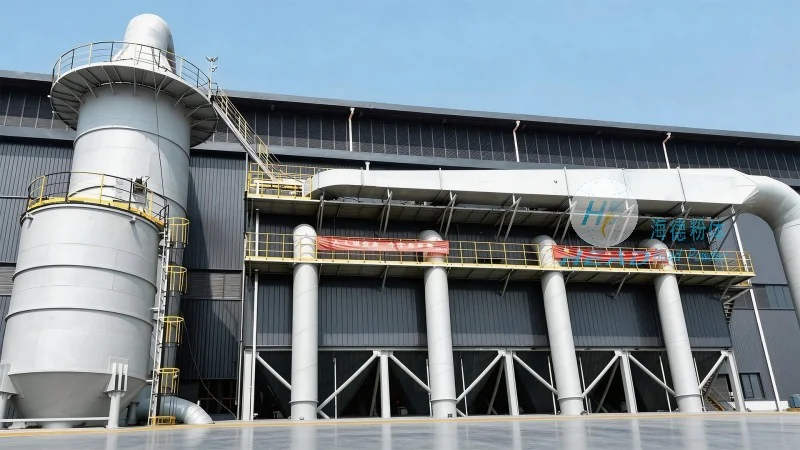
The core principle of pneumatic conveying for dry sludge powder involves the use of compressed air to transport the dry material through a pipeline. The system typically operates under positive pressure, where air is forced through the pipeline, carrying the dry sludge particles along. Key components include a feeding hopper, a rotary airlock valve, a conveying line, and a receiver or discharge unit. The rotary airlock valve ensures a controlled and continuous feed of the dry sludge into the conveying line, preventing backflow and maintaining consistent material flow. The conveying line is designed with appropriate diameter and length to accommodate the required material volume and distance, while the receiver collects the transported sludge at the destination.
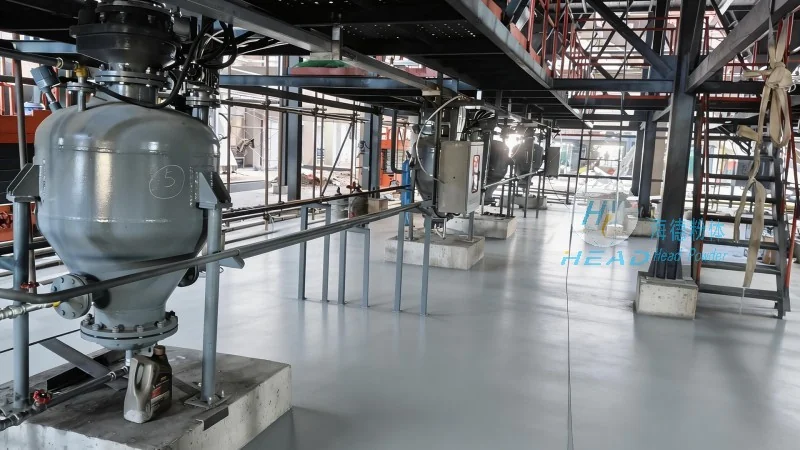
The operation process of a dry sludge powder pneumatic conveying system follows a systematic sequence to ensure efficient and reliable transport. Initially, the dry sludge is stored in a feeding hopper, which is equipped with a level indicator to monitor the material inventory. The rotary airlock valve, positioned at the bottom of the hopper, regulates the flow of dry sludge into the conveying line. As compressed air is introduced into the system, it creates a pressure differential that propels the dry sludge particles through the pipeline. The air velocity within the line is carefully controlled to maintain a stable suspension of the sludge particles, preventing clogging and ensuring smooth transport. At the receiving end, the dry sludge is discharged into a storage or processing facility, completing the transport cycle. The system operates continuously, with regular monitoring of air pressure, material flow rate, and system performance to ensure optimal operation.
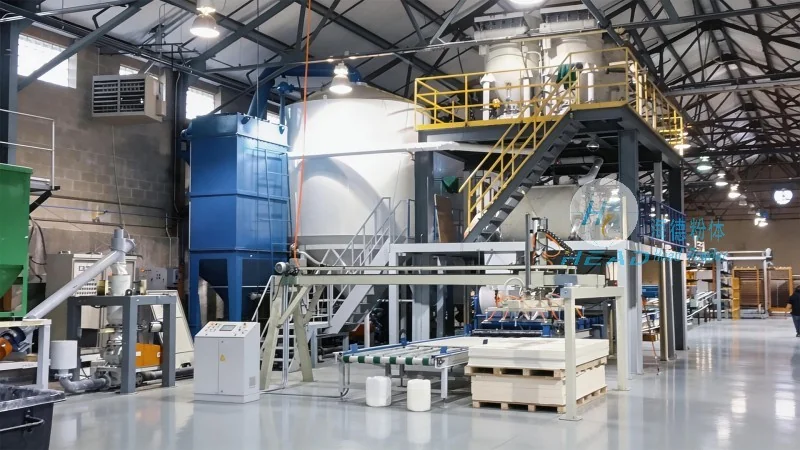
Several critical components contribute to the effective operation of dry sludge powder pneumatic conveying systems. The feeding hopper serves as the storage and feeding unit, providing a consistent supply of dry sludge to the system. The rotary airlock valve acts as a gate valve, controlling the flow of material and preventing air leakage back into the hopper. The conveying line, typically made of stainless steel or other corrosion-resistant materials, is designed to withstand the pressure and temperature conditions of the system. The receiver or discharge unit collects the transported sludge and may include features such as a level sensor or a discharge valve for controlled release. Additionally, the system may include accessories like filters, silencers, and pressure regulators to enhance performance and safety.
Implementing dry sludge powder pneumatic conveying offers several advantages over traditional transport methods. The system eliminates the need for mechanical conveying equipment, reducing maintenance costs and operational complexity. It also minimizes the risk of contamination and cross-contamination, as the dry sludge is transported in a closed system. The technology allows for flexible and scalable solutions, accommodating varying material volumes and distances. Furthermore, the system can be integrated with other processing equipment, such as dewatering or drying units, to form a comprehensive sludge management solution. The use of compressed air ensures a clean and hygienic transport process, which is essential for meeting environmental and regulatory standards.
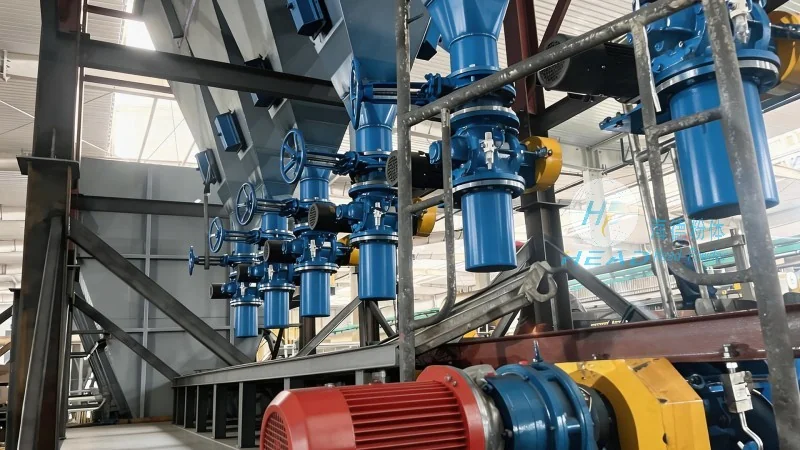
Shandong HeadPowder Engineering Co., Ltd. leverages its extensive experience and technical expertise to provide customized pneumatic conveying solutions for dry sludge powder. The company's team of engineers and technicians works closely with clients to understand their specific requirements, including material characteristics, transport distance, and operational constraints. Through detailed analysis and design, HeadPowder develops tailored systems that optimize performance, efficiency, and cost-effectiveness. The company's commitment to quality and innovation ensures that its solutions meet the highest industry standards and regulatory requirements. With a focus on customer satisfaction and long-term partnerships, HeadPowder continues to be a trusted provider of advanced pneumatic conveying systems for the wastewater treatment industry.

 Shandong Headpowder Engineering Co., Ltd.
 156-6277-7102(Manager Zhang)
  0531-83386006
  Zhangqiu District, Jinan City, Shandong Province, China
telephone
WeChatconsult
top