With more than 10‑year industry experience, Shandong Headpowder delivers full‑service pneumatic‑conveying systems and blowers, undertaking nationwide turn‑key powder‑handling projects.
Activated carbon is widely used in various industrial processes for its excellent adsorption properties. Pneumatic conveying systems are essential for transporting activated carbon efficiently and safely. Understanding the key structures of these systems is crucial for optimizing performance and ensuring reliable operation. This article provides an overview of the main components and structures involved in activated carbon pneumatic conveying, highlighting the expertise of Shandong HeadPowder Engineering Co., Ltd. from China.

The primary structure of a pneumatic conveying system for activated carbon typically includes several critical components. The first is the feeding device, which is responsible for introducing the activated carbon into the system. This component must handle the material's characteristics, such as its bulk density and flowability, to ensure consistent and controlled feeding. Shandong HeadPowder Engineering Co., Ltd. specializes in designing feeding systems that match the specific requirements of activated carbon, ensuring minimal degradation and efficient transfer.
Next, the conveying pipeline forms the backbone of the system. These pipelines are designed to withstand the pressure and flow conditions of the activated carbon particles. The choice of material, such as stainless steel or special alloys, is critical to prevent corrosion and maintain the purity of the activated carbon. The system may use either positive or negative pressure, depending on the application. In the case of activated carbon, positive pressure systems are often preferred due to the material's tendency to generate dust and require controlled flow.
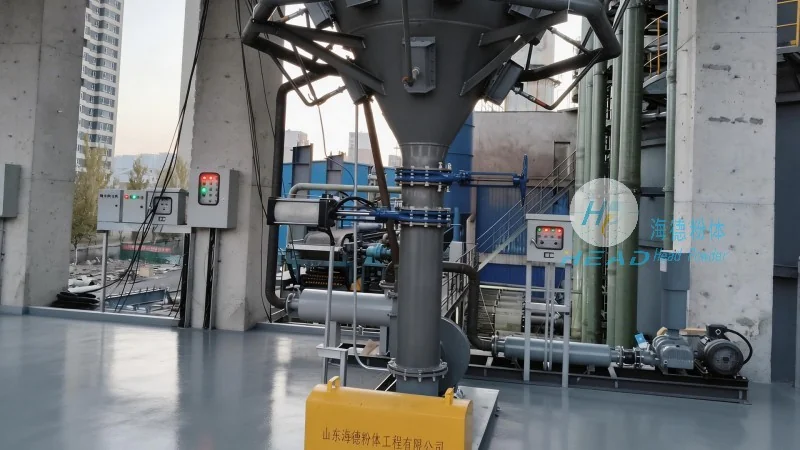
The separation and collection equipment is another vital structure. After the activated carbon reaches its destination, it must be separated from the conveying air. This is typically achieved through cyclones or filters. The design of these components is crucial to prevent loss of material and maintain air quality. Shandong HeadPowder Engineering Co., Ltd. integrates advanced separation technologies into their systems, ensuring high recovery rates and minimal environmental impact.
Modern pneumatic conveying systems for activated carbon often incorporate control and monitoring structures to enhance operational efficiency. These systems may include sensors to measure pressure, flow rate, and particle concentration. The data collected is used to adjust the system parameters in real-time, optimizing performance and preventing issues such as blockages or overloading. The control structures are designed to be user-friendly, allowing operators to monitor and adjust the system with minimal effort. This level of automation is essential for maintaining consistent quality and reducing downtime in industrial applications.
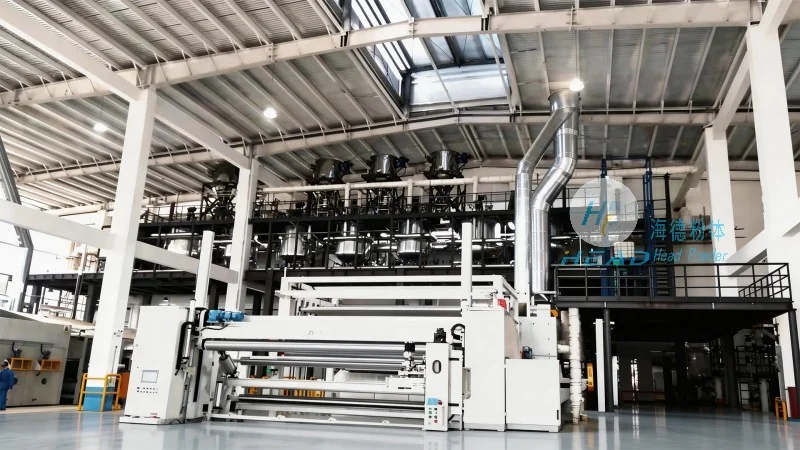
When designing a pneumatic conveying system for activated carbon, several factors must be considered to ensure optimal performance. The first is the material properties of the activated carbon, including its particle size distribution, bulk density, and flowability. These characteristics directly impact the system's design, such as the required air velocity and pipeline diameter. Shandong HeadPowder Engineering Co., Ltd. conducts thorough material analysis to tailor the system to the specific needs of the activated carbon being transported.
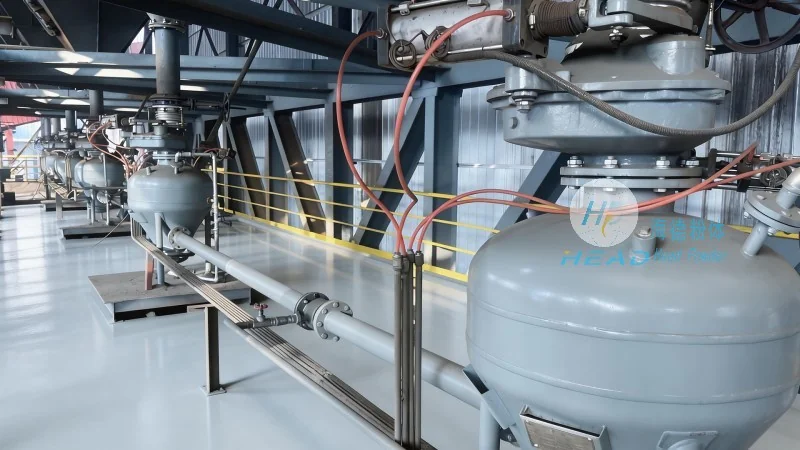
Another critical consideration is the system layout. The arrangement of components, such as the feeding point, pipeline, and collection point, must be optimized to minimize the length of the pipeline and reduce pressure losses. The system should also account for the potential for dust generation and the need for proper ventilation and filtration. The design process involves careful planning and engineering to ensure the system operates efficiently and safely.
Finally, the maintenance and operational requirements are important factors. The system must be designed for easy access to components for cleaning and maintenance. Regular maintenance is essential to prevent wear and tear, ensuring the system's longevity. Shandong HeadPowder Engineering Co., Ltd. provides comprehensive support, including maintenance services and spare parts, to ensure the system operates at peak performance over its lifespan.

 Shandong Headpowder Engineering Co., Ltd.
 156-6277-7102(Manager Zhang)
  0531-83386006
  Zhangqiu District, Jinan City, Shandong Province, China
telephone
WeChatconsult
top