With more than 10‑year industry experience, Shandong Headpowder delivers full‑service pneumatic‑conveying systems and blowers, undertaking nationwide turn‑key powder‑handling projects.
When it comes to the efficient and reliable transportation of rare earth materials, the choice of pneumatic conveying system structure is crucial. The right structure ensures optimal performance, minimal material loss, and compliance with safety standards. This article explores the primary structures used in rare earth pneumatic conveying, highlighting their features and applications.
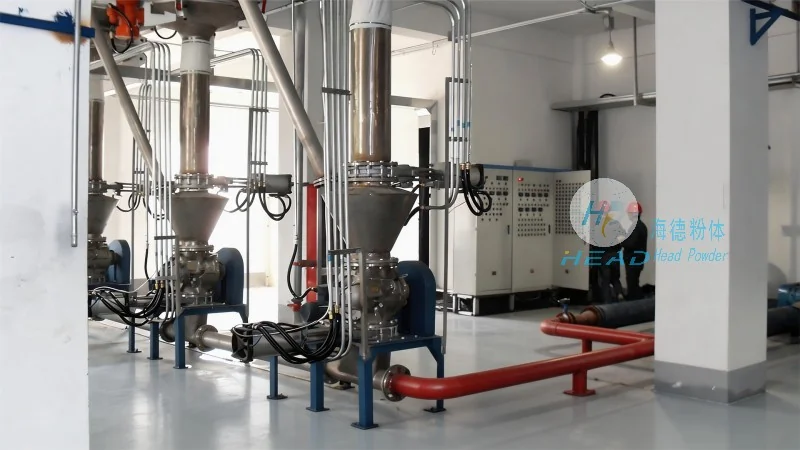
Rare earth pneumatic conveying systems are designed to handle the unique properties of rare earth materials, such as their fine particle size, high value, and potential for dust generation. The main structures can be broadly categorized into two types: suction (or vacuum) systems and pressure systems. Each type has distinct advantages and is suitable for different operational scenarios.
Suction systems, also known as vacuum conveying, are commonly used for transporting rare earth powders from a source to a collection point. These systems operate by creating a negative pressure inside the conveying line, which draws the material from the source. The primary components of a suction system include a vacuum pump, a hopper for material storage, a rotary valve for controlling material flow, and a filter to capture dust and prevent contamination. The headpowder company, based in Shandong, China, specializes in designing and manufacturing such systems tailored to the specific needs of rare earth processing facilities.
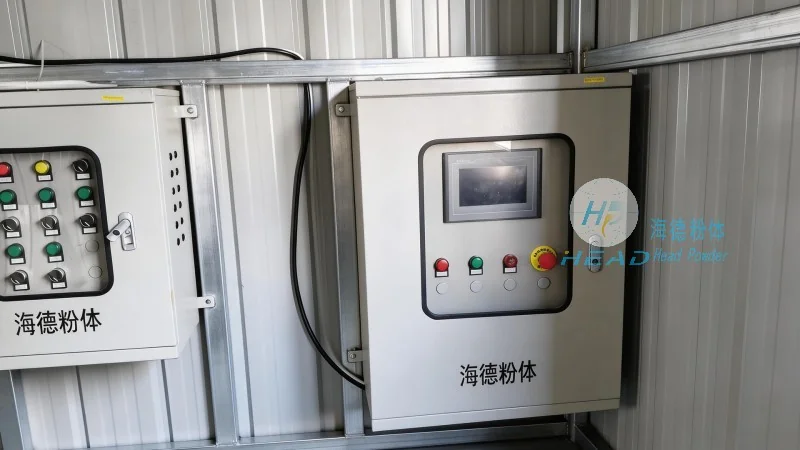
Pressure systems, on the other hand, use positive pressure to push the material through the conveying line. These systems are often preferred for longer distances or when the material needs to be transported to multiple destinations. A pressure system typically consists of a blower or compressor, a hopper, a rotary valve, and a pipeline network. The pressure generated by the blower ensures that the material is moved efficiently without the need for vacuum pumps. For rare earth applications, pressure systems are particularly useful when dealing with abrasive or corrosive materials, as they can handle higher pressures and maintain material integrity.
Some rare earth processing facilities may require a combination of suction and pressure elements, leading to closed-loop or hybrid systems. These structures are designed to recycle excess material or to transport material between multiple points in a closed circuit. The closed-loop system includes a vacuum section for material intake and a pressure section for material discharge, with a central hopper or storage tank. This approach minimizes material waste and enhances overall system efficiency. The engineering expertise of Shandong HeadPowder Engineering Co., Ltd. allows for the customization of such complex systems to meet the exact requirements of rare earth production lines.
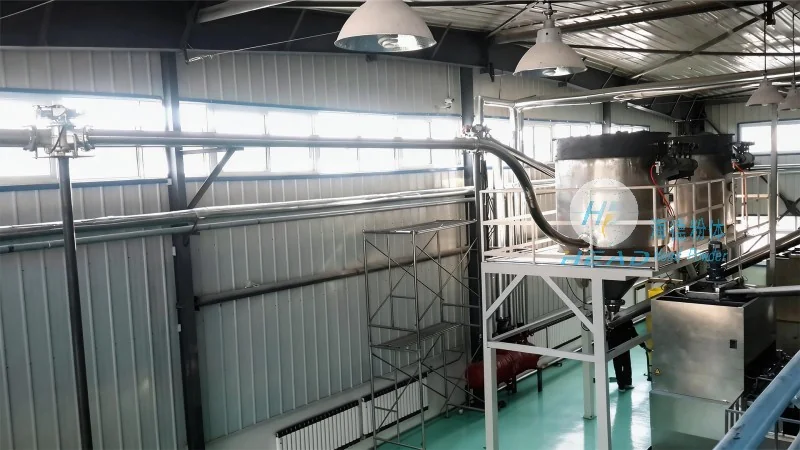
When selecting a pneumatic conveying structure for rare earth materials, several factors must be considered. The particle size and density of the rare earth powder are critical, as they affect the flow characteristics and the required air velocity. The system must also be capable of handling the material's potential for agglomeration or caking, which can impede flow. Additionally, the system should incorporate proper filtration and dust control measures to protect both the material and the environment. The company, with its base in Shandong, China, provides comprehensive solutions that address these considerations, ensuring that the chosen structure is both effective and sustainable.
In conclusion, the main structures of rare earth pneumatic conveying include suction, pressure, and combined systems. Each structure has its own advantages and is selected based on the specific operational needs of the rare earth processing facility. The expertise of companies like Shandong HeadPowder Engineering Co., Ltd. is essential in designing and implementing these systems, ensuring optimal performance and reliability. By understanding the different structures and their applications, rare earth processing plants can choose the most suitable pneumatic conveying solution to enhance their production efficiency and material handling capabilities.

 Shandong Headpowder Engineering Co., Ltd.
 156-6277-7102(Manager Zhang)
  0531-83386006
  Zhangqiu District, Jinan City, Shandong Province, China
telephone
WeChatconsult
top