With more than 10‑year industry experience, Shandong Headpowder delivers full‑service pneumatic‑conveying systems and blowers, undertaking nationwide turn‑key powder‑handling projects.
HeadPowder, a leading enterprise in the field of pneumatic conveying technology, specializes in the design, manufacturing, and application of foam powder pneumatic conveying systems. With a strong focus on innovation and precision engineering, the company has established itself as a trusted solution provider for industries requiring efficient and reliable powder handling solutions. Based in Shandong, China, HeadPowder leverages its extensive experience and technical expertise to deliver customized systems that meet the unique demands of various industrial applications.
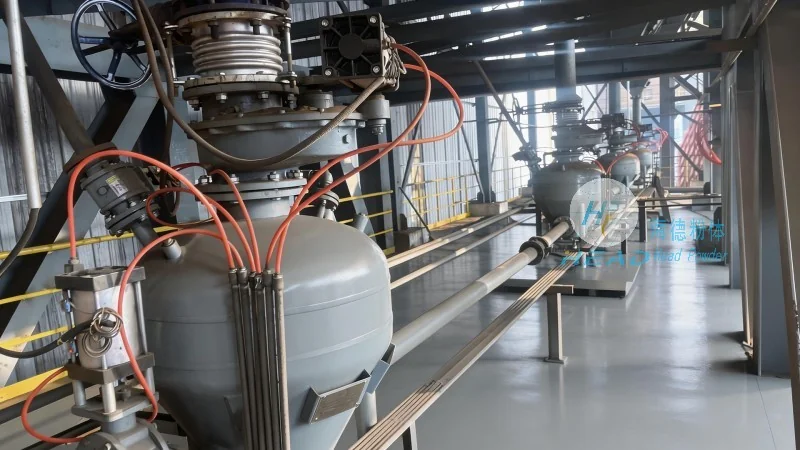
Foam powder pneumatic conveying systems represent a sophisticated method of transporting dry powders using a combination of air and foam as the conveying medium. This technology is particularly advantageous for handling fine or cohesive powders that are challenging to transport through traditional pneumatic systems. The core principle involves generating a foam mixture that enhances the carrying capacity of the air, allowing for longer distances and higher material throughput without excessive pressure drops. The classification and composition of these systems are critical to understanding their functionality and selecting the appropriate solution for specific industrial needs.
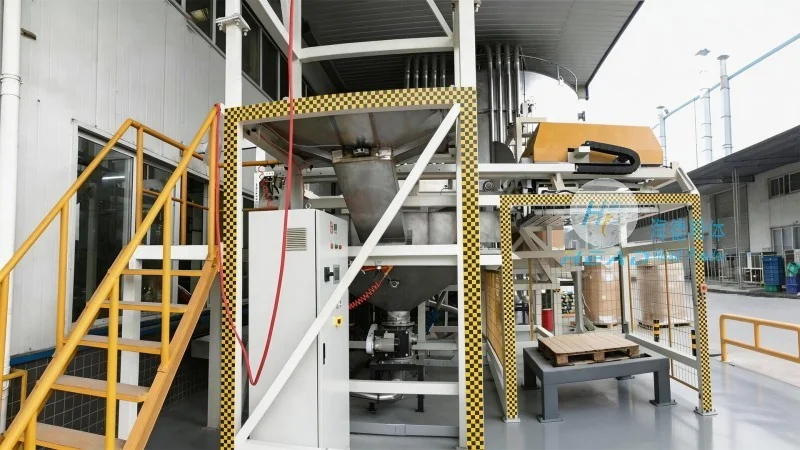
Foam powder pneumatic conveying systems can be classified based on several key parameters, including the type of foam generation, the mode of operation, and the application requirements. The primary classification is often based on the foam generation method, which can be categorized into two main types: pressure foam systems and vacuum foam systems. Pressure foam systems utilize a high-pressure foam generator to create foam, which is then mixed with the conveying air under pressure. This approach is suitable for high-capacity applications where the system operates under positive pressure. On the other hand, vacuum foam systems generate foam at a lower pressure and use a vacuum pump to draw the material through the system, making them ideal for applications requiring lower energy consumption and reduced system complexity. Another classification criterion is the mode of operation, such as continuous or intermittent conveying. Continuous systems are designed for steady-state material flow, while intermittent systems are used for batch processing or when the material supply is intermittent. The choice of classification depends on the specific operational requirements, including the volume of material to be transported, the distance, and the desired throughput rate.
The effective operation of a foam powder pneumatic conveying system relies on several essential components that work in harmony to ensure efficient material transport. The first critical component is the foam generator, which is responsible for producing the foam mixture. This device typically consists of a foam-making unit that combines air and a foaming agent (such as a surfactant or a specific chemical solution) to create a stable foam. The foam generator is usually equipped with controls to adjust the foam-to-air ratio, allowing for precise tuning of the conveying performance. The second key component is the air supply system, which provides the necessary airflow to carry the foam and the powder particles. This system includes an air compressor or a blower, along with filters and regulators to ensure clean and consistent air pressure. The air supply is connected to the foam generator and the conveying line, ensuring a continuous flow of air that supports the foam formation and material transport. The third essential component is the conveying pipeline, which is designed to handle the foam-powder mixture. The pipeline is typically made of materials resistant to the chemical properties of the foam and the powder, such as stainless steel or special plastics. The design of the pipeline includes bends, elbows, and straight sections that are optimized to minimize pressure losses and maintain the stability of the foam. Additionally, the pipeline may include features like expansion joints or flexible connectors to accommodate thermal expansion and reduce stress on the system. The fourth critical component is the control system, which monitors and regulates the operation of the entire system. This system includes sensors to measure parameters such as pressure, flow rate, and foam density, as well as controllers that adjust the foam generator and air supply based on real-time feedback. The control system ensures that the system operates within safe and efficient parameters, preventing issues like over-foaming or under-foaming that could lead to material blockages or reduced conveying efficiency. Finally, the system may include auxiliary components such as filters, separators, and dust collection units to maintain the quality of the conveyed material and protect the equipment from contamination. These components are essential for maintaining the purity of the powder and extending the lifespan of the system.
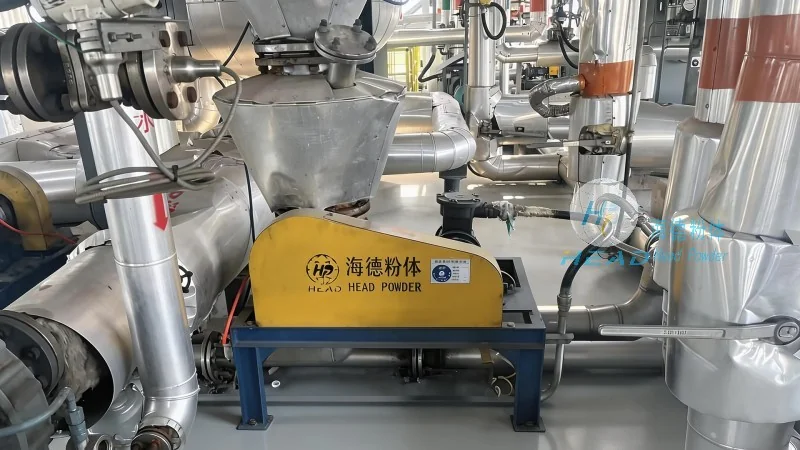
Foam powder pneumatic conveying systems find extensive applications across various industries, including pharmaceuticals, food processing, chemical manufacturing, and mining. In the pharmaceutical industry, these systems are used to transport sensitive powders, such as active pharmaceutical ingredients (APIs), without compromising their quality or integrity. The foam-based conveying method minimizes particle attrition and contamination, ensuring that the final product meets stringent regulatory standards. In food processing, the systems are employed to handle powders like sugar, flour, and spices, maintaining the freshness and quality of the ingredients. The gentle handling provided by the foam reduces the risk of product degradation and ensures consistent product quality. In chemical manufacturing, the systems are used to transport various chemical powders, including catalysts and reagents, which require careful handling to prevent reactions or contamination. The foam-based transport allows for safe and efficient movement of these materials, reducing the risk of accidents and improving operational safety. In mining and mineral processing, the systems are utilized to transport ore powders and other mineral products, enabling efficient extraction and processing of raw materials. The high capacity and long-distance capabilities of the foam powder system make it ideal for large-scale mining operations. The benefits of using foam powder pneumatic conveying systems are significant and multifaceted. One of the primary advantages is the enhanced conveying capacity, which allows for higher material throughput compared to traditional pneumatic systems. The foam mixture increases the effective density of the air, enabling the system to transport more material per unit of air volume. This results in reduced energy consumption and lower operating costs, as less air is required to achieve the desired throughput. Another key benefit is the improved material handling performance, particularly for fine or cohesive powders. The foam acts as a lubricant, reducing friction between the powder particles and the pipeline walls, which minimizes particle degradation and prevents blockages. This leads to higher material recovery rates and lower maintenance costs. Additionally, the foam-based system offers better control over the conveying process, allowing for precise adjustment of the foam-to-air ratio and flow rate. This flexibility enables operators to adapt the system to changing operational conditions, such as varying material types or throughput requirements. The system also provides better dust control compared to traditional pneumatic systems, as the foam encapsulates the powder particles, reducing airborne dust and improving workplace safety. This is particularly important in industries where dust is a health hazard or where environmental regulations are strict. Furthermore, the foam powder system is more environmentally friendly, as it reduces the need for water or other liquids in the conveying process, minimizing waste and environmental impact. The overall efficiency and reliability of the system contribute to increased productivity and reduced downtime, making it a preferred choice for industries seeking sustainable and cost-effective powder handling solutions.

 Shandong Headpowder Engineering Co., Ltd.
 156-6277-7102(Manager Zhang)
  0531-83386006
  Zhangqiu District, Jinan City, Shandong Province, China
telephone
WeChatconsult
top