

Classification and Composition of High-Calcium Limestone Powder Pneumatic Conveying Systems
High-calcium limestone powder is a critical raw material in various industrial applications, including cement production, chemical processing, and construction materials manufacturing. The efficient and reliable transport of this fine powder is essential for maintaining production efficiency and product quality. Pneumatic conveying systems have emerged as a preferred solution for handling such materials due to their ability to transport powders in a closed system, minimizing dust emissions and ensuring consistent material flow. This article provides an overview of the classification and key components of high-calcium limestone powder pneumatic conveying systems, highlighting the technology's importance in modern industrial operations.
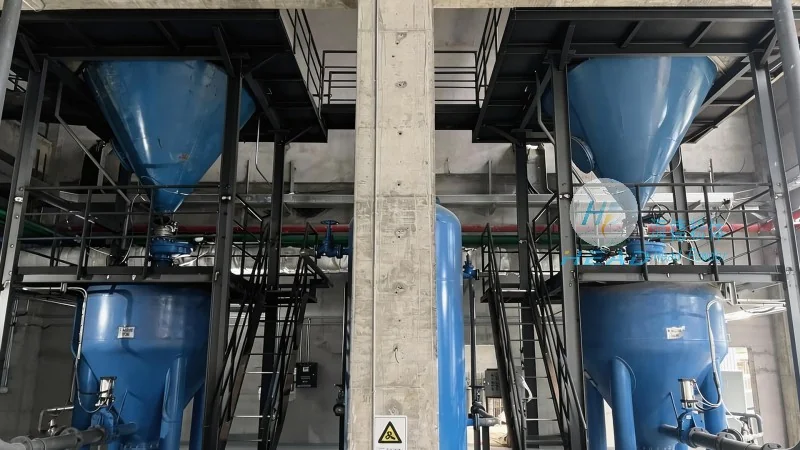
Classification of Pneumatic Conveying Systems for High-Calcium Limestone Powder
High-calcium limestone powder pneumatic conveying systems can be classified based on several factors, including the method of air and material transport, system pressure, and application requirements. The primary classifications include:
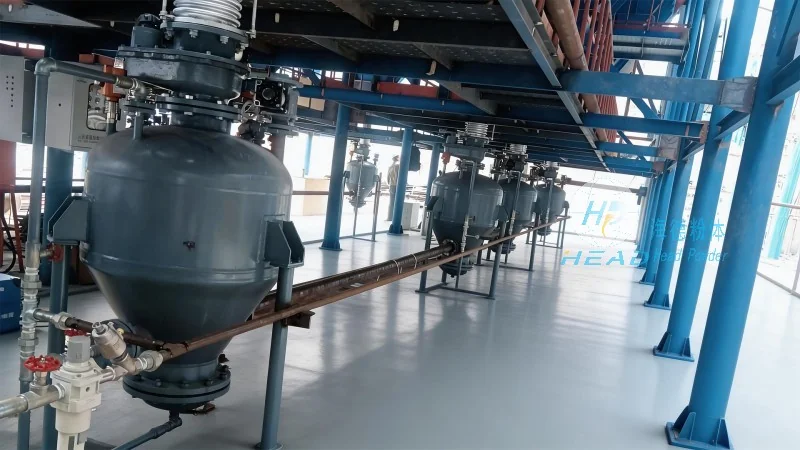
- Positive Pressure Systems: These systems use a blower or fan to generate positive pressure, pushing the air and powder mixture through the conveying line. They are suitable for short to medium distances and low to moderate material flow rates. Positive pressure systems are commonly used in applications where the material is non-abrasive and requires minimal pressure to transport.
- Negative Pressure (Vacuum) Systems: In contrast, negative pressure systems use a vacuum pump to create a negative pressure environment, drawing the powder and air mixture into the system. These systems are ideal for long-distance transport and applications where the material is abrasive or requires high pressure to move. Negative pressure systems are often preferred in industries where dust control is a priority and the material needs to be transported over significant distances.
- Two-Phase (Mixed Flow) Systems: This classification combines elements of both positive and negative pressure systems. The system operates with a combination of pressure and vacuum, allowing for flexible transport of materials over varying distances. Two-phase systems are versatile and can handle a wide range of material characteristics, making them suitable for diverse industrial applications.
Key Components of High-Calcium Limestone Powder Pneumatic Conveying Systems
Regardless of the classification, high-calcium limestone powder pneumatic conveying systems consist of several essential components that work together to ensure efficient material transport. The primary components include:
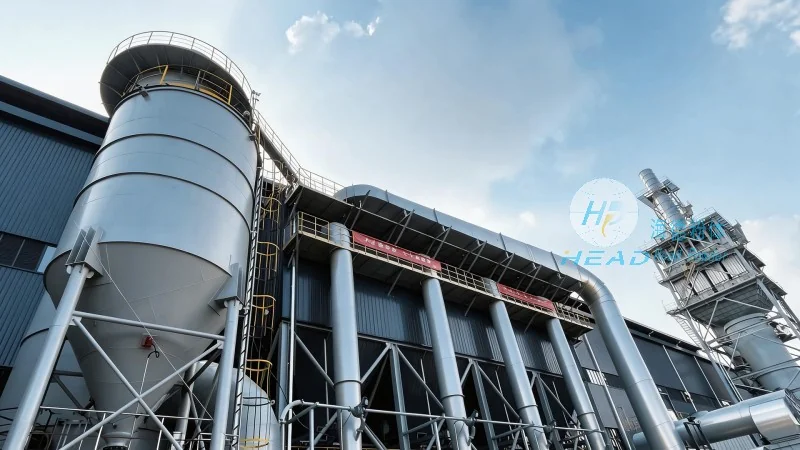
- Feeder: The feeder is responsible for feeding the high-calcium limestone powder into the conveying system. It ensures a consistent and controlled flow of material, preventing blockages and maintaining system efficiency. The feeder type, such as a rotary valve or screw feeder, is selected based on the material's properties and the required flow rate.
- Conveying Line: The conveying line is the main pathway for transporting the powder and air mixture. It is typically made of materials like stainless steel or plastic, chosen for their resistance to corrosion and abrasion from the limestone powder. The line diameter and length are critical factors that affect the system's performance and material flow rate.
- Blower or Vacuum Pump: The blower or vacuum pump provides the necessary air pressure or vacuum to move the powder through the system. The selection of the blower depends on the system's classification (positive or negative pressure) and the required pressure or vacuum level. High-efficiency blowers are essential to minimize energy consumption and ensure reliable operation.
- Separation and Collection Equipment: After the powder is transported to its destination, the separation and collection equipment is used to separate the powder from the air and collect it in a container or storage silo. This component is crucial for maintaining dust control and ensuring the material is properly stored for further processing.
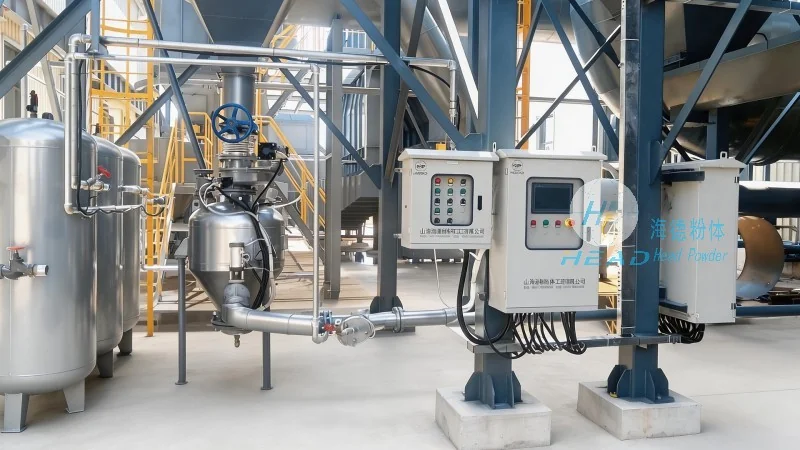
- Control System: The control system manages the operation of the pneumatic conveying system, including the feeder, blower, and separation equipment. It monitors parameters such as pressure, flow rate, and material level, ensuring the system operates within safe and efficient limits. Modern control systems often include automation features to optimize performance and reduce human intervention.
Applications and Benefits of High-Calcium Limestone Powder Pneumatic Conveying Systems
High-calcium limestone powder pneumatic conveying systems are widely used in various industries due to their versatility and efficiency. Some common applications include:
- Cement Manufacturing: In cement production, high-calcium limestone is a primary raw material. Pneumatic conveying systems are used to transport limestone powder from storage silos to the cement kiln, ensuring a consistent supply of material for the production process.
- Chemical Processing: The chemical industry utilizes high-calcium limestone powder in the production of calcium compounds, such as calcium carbonate and calcium hydroxide. Pneumatic conveying systems facilitate the transport of these fine powders between processing units, maintaining product quality and minimizing contamination.
- Construction Materials: In the construction sector, high-calcium limestone is used as a filler or aggregate in concrete and other building materials. Pneumatic conveying systems help transport the powder to mixing plants or storage areas, improving production efficiency and reducing labor costs.
The benefits of using high-calcium limestone powder pneumatic conveying systems include:
- Reduced Dust Emissions: The closed system design minimizes dust emissions, improving workplace safety and environmental compliance.
- Improved Material Quality: By maintaining a consistent flow and preventing material degradation, the system ensures the high-calcium limestone powder remains in optimal condition for processing.
- Increased Efficiency: Pneumatic conveying systems can transport materials over long distances and at high speeds, reducing production downtime and increasing overall operational efficiency.
- Cost Savings: By minimizing material loss and reducing maintenance requirements, the system offers significant cost savings over traditional conveying methods.
Conclusion
High-calcium limestone powder pneumatic conveying systems are a vital technology in modern industrial operations, providing efficient and reliable transport of fine materials. The classification of these systems, based on pressure and transport method, allows for selection based on specific application requirements. The key components, including feeders, conveying lines, and control systems, work together to ensure optimal performance. As industries continue to demand higher efficiency and quality in material handling, pneumatic conveying systems will remain a preferred solution. For businesses seeking to enhance their material transport capabilities, understanding the classification and components of high-calcium limestone powder pneumatic conveying systems is essential.