With more than 10‑year industry experience, Shandong Headpowder delivers full‑service pneumatic‑conveying systems and blowers, undertaking nationwide turn‑key powder‑handling projects.
PE pellet pneumatic conveying systems represent a sophisticated and efficient method for transporting polyethylene (PE) pellets in industrial settings. These systems utilize air as the primary medium to move material, offering advantages such as reduced equipment wear, improved hygiene, and the ability to handle materials in enclosed environments. Developed by companies like Shandong HeadPowder Engineering Co., Ltd., these systems are designed to meet the specific needs of modern material handling applications.
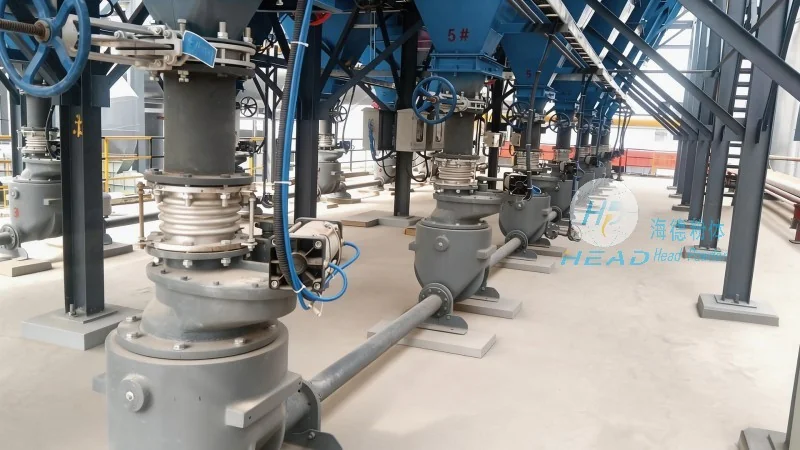
At the core of a PE pellet pneumatic conveying system are several critical components that work in tandem to ensure reliable material transport. The primary components include a material feeder, a conveying line (often equipped with air ducts), a control system, and a receiver or discharge unit. The material feeder is responsible for accurately metering and feeding PE pellets into the system, ensuring a consistent flow rate. This component is crucial for maintaining system efficiency and preventing blockages. The conveying line, typically made of durable materials like stainless steel or specialized plastic, carries the pellets and air mixture through the system. It may include features such as bends, elbows, or expansion joints to accommodate changes in direction or elevation. The control system manages the air pressure, flow rate, and material feed, allowing for precise operation and adaptability to varying production demands. Finally, the receiver or discharge unit collects the conveyed PE pellets, often equipped with filters or separation mechanisms to maintain material purity and prevent dust accumulation.
The operation of a PE pellet pneumatic conveying system is based on the principle of creating a pressure differential between the inlet and outlet of the conveying line. The system can operate in either positive pressure (pressure conveying) or negative pressure (vacuum conveying) modes, depending on the application requirements. In positive pressure systems, compressed air is introduced at the material inlet, pushing the pellets through the line. This method is suitable for long-distance or high-capacity transport and is effective in preventing material degradation due to exposure to air. In negative pressure systems, a vacuum is created at the discharge end, drawing the pellets and air mixture through the line. This approach is ideal for applications where dust control is a priority or where the material needs to be transported from a higher elevation to a lower one. The air velocity within the conveying line is carefully controlled to ensure that the pellets are suspended and transported without causing excessive wear or degradation. Proper air-to-material ratios are essential for maintaining system efficiency and preventing clogging or loss of material.
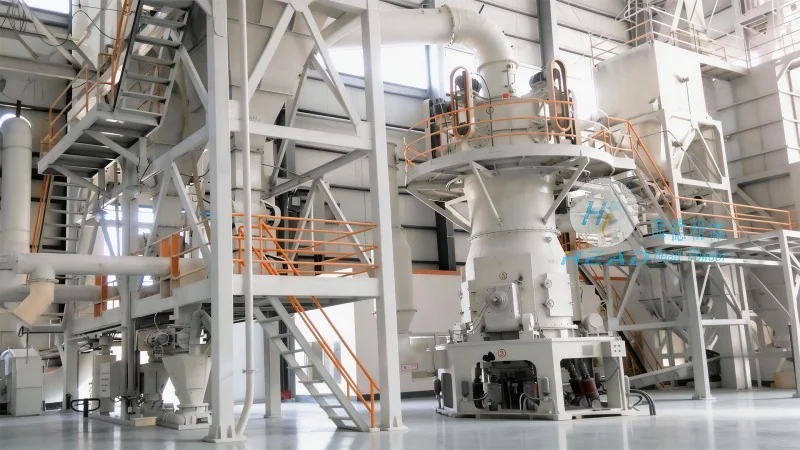
PE pellet pneumatic conveying systems offer several advantages over traditional mechanical conveying methods. One of the most significant benefits is the reduction in equipment wear, as there are no moving parts in direct contact with the pellets. This leads to lower maintenance costs and longer equipment lifespan. Additionally, the enclosed nature of the system enhances hygiene, making it suitable for handling food-grade or pharmaceutical-grade PE pellets where contamination control is critical. The systems also provide flexibility in terms of layout and integration with existing production lines, allowing for easy expansion or reconfiguration as production needs change. In terms of applications, PE pellet pneumatic conveying is widely used in the plastics industry for transporting PE pellets from storage silos to processing equipment, such as extruders or injection molding machines. It is also employed in recycling facilities to move reclaimed PE pellets from sorting areas to reprocessing units. The technology is particularly beneficial for applications requiring long-distance transport, high material throughput, or the need to handle materials in a dust-free environment.
The design of a PE pellet pneumatic conveying system involves careful consideration of several factors to ensure optimal performance and reliability. Material selection for the conveying line and components is critical, as it must withstand the abrasive nature of PE pellets and resist corrosion from any contaminants. The system's capacity is determined by factors such as the desired throughput rate, the distance to be covered, and the air pressure available. Engineers must also consider the specific characteristics of the PE pellets, including their size, density, and moisture content, as these factors influence the air-to-material ratio and system design. Customization is a key aspect of PE pellet pneumatic conveying systems, as each application has unique requirements. For example, systems may be designed with additional features such as cyclone separators to improve material separation, or dust collection systems to comply with environmental regulations. The integration of advanced control technologies, such as variable frequency drives (VFDs) and sensors, allows for real-time monitoring and adjustment of system parameters, enhancing efficiency and reducing energy consumption.
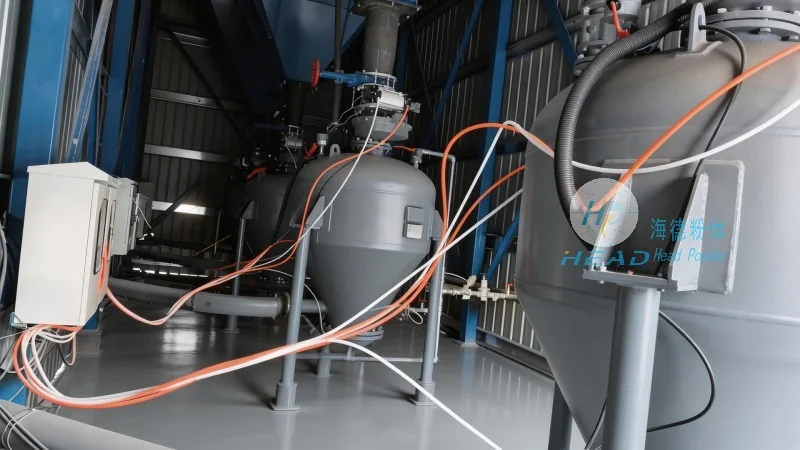
Proper maintenance and operational practices are essential for maximizing the lifespan and performance of PE pellet pneumatic conveying systems. Regular inspection of components, such as the material feeder and conveying line, is necessary to detect and address any signs of wear or damage. Filters and air cleaners should be checked and replaced as needed to prevent dust buildup and maintain air quality. The control system should be calibrated periodically to ensure accurate operation and prevent malfunctions. It is also important to follow recommended operating procedures, such as starting the system with the material feeder off and the air flow on to purge the line of any debris. Proper training of operators on system operation and maintenance is crucial for preventing accidents and ensuring system reliability. By adhering to these best practices, users can extend the operational life of their PE pellet pneumatic conveying systems and maintain consistent performance over time.
PE pellet pneumatic conveying systems play a vital role in the efficient and reliable handling of polyethylene pellets in industrial applications. By leveraging air as the primary transport medium, these systems offer numerous advantages over traditional mechanical conveying methods, including reduced wear, enhanced hygiene, and flexibility in system design. The technology's ability to handle long distances, high capacities, and diverse material characteristics makes it an essential component in modern plastics processing and recycling operations. As the plastics industry continues to evolve, the demand for efficient material handling solutions will remain high, and PE pellet pneumatic conveying systems will continue to be a key technology in meeting these demands. With proper design, maintenance, and operation, these systems can provide reliable performance and contribute to the overall productivity and sustainability of industrial processes.

 Shandong Headpowder Engineering Co., Ltd.
 156-6277-7102(Manager Zhang)
  0531-83386006
  Zhangqiu District, Jinan City, Shandong Province, China
telephone
WeChatconsult
top