With more than 10‑year industry experience, Shandong Headpowder delivers full‑service pneumatic‑conveying systems and blowers, undertaking nationwide turn‑key powder‑handling projects.
Phosphorus pentoxide, a highly reactive and hygroscopic chemical, requires specialized handling and transportation systems to ensure safety and efficiency. The pneumatic conveying system for phosphorus pentoxide is a critical piece of equipment in industrial applications, designed to transport this hazardous material from storage to processing units. This article provides an overview of the classification and composition of such systems, highlighting the key components and operational principles.
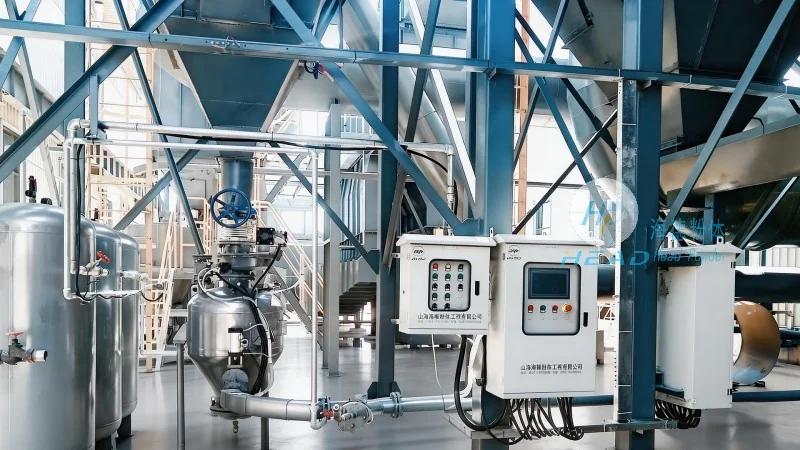
Phosphorus pentoxide pneumatic conveying systems can be broadly classified into two main categories based on the method of air supply and material transport: suction-type and pressure-type systems. Each type has distinct characteristics and is suitable for different operational scenarios.
The suction-type system, also known as a vacuum conveying system, uses a vacuum pump to create a negative pressure in the conveying line, drawing the material from the source to the destination. This method is ideal for short to medium-distance transport and is particularly effective when the material is stored in a hopper or silo that can be directly connected to the suction point. The primary advantage of suction systems is their ability to handle materials with low flowability or those that are prone to dust generation, as the vacuum helps to maintain material integrity and prevent spillage.
On the other hand, the pressure-type system employs a positive pressure air source to push the material through the conveying line. This method is commonly used for longer distances or when the material needs to be transported to a higher elevation. Pressure systems are generally more robust and can handle a wider range of materials, including those with higher bulk densities. However, they require more powerful air compressors and may generate higher noise levels compared to suction systems.
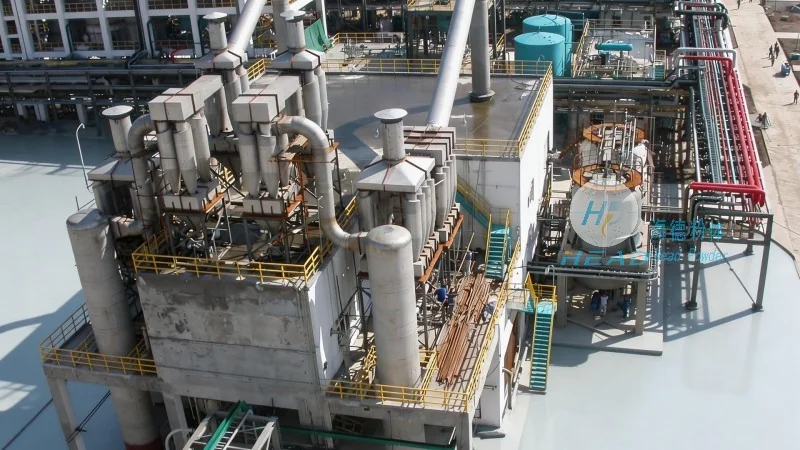
The effective operation of a phosphorus pentoxide pneumatic conveying system relies on several critical components, each playing a specific role in the material handling process. These components are designed to work in harmony to ensure safe and efficient transport of the chemical.
Firstly, the air source equipment is essential for providing the necessary air pressure or vacuum. For suction systems, a vacuum pump is used to create the negative pressure, while pressure systems utilize air compressors to generate the positive pressure. The air source must be capable of delivering the required flow rate and pressure to maintain the material's velocity within the conveying line, preventing clogging and ensuring consistent transport.
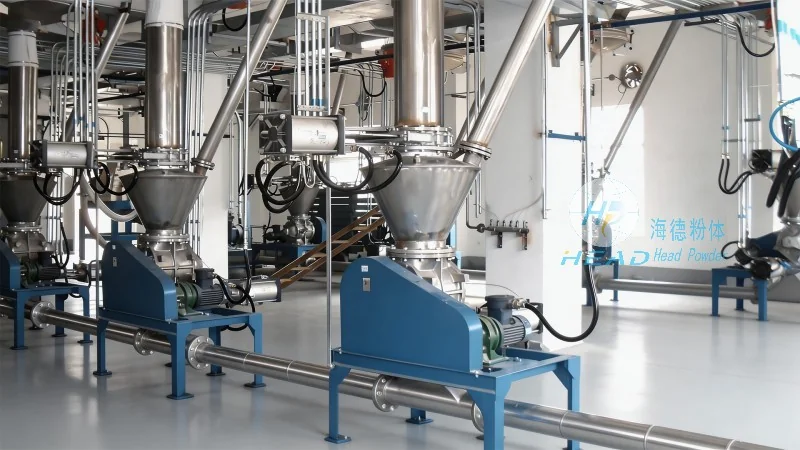
Secondly, the conveying pipeline is the main channel through which the phosphorus pentoxide and air mixture travels. The pipeline is typically made of materials resistant to chemical corrosion, such as stainless steel or special plastic composites, to withstand the acidic and reactive nature of phosphorus pentoxide. The design of the pipeline, including the diameter and length, is crucial for maintaining the material's velocity and preventing deposition or blockages. Additionally, the pipeline may include bends, elbows, and other fittings that are designed to minimize pressure loss and maintain the flow of the material-air mixture.
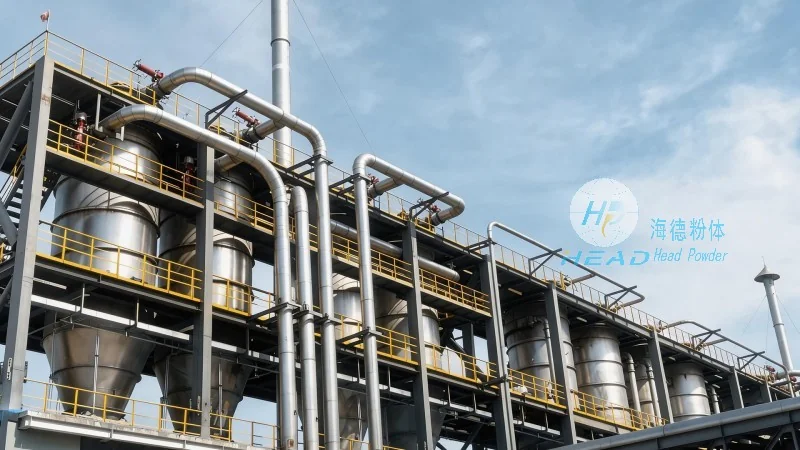
Thirdly, the material feed and discharge equipment is responsible for introducing the phosphorus pentoxide into the conveying line and collecting it at the destination. The feed equipment, such as a hopper or rotary valve, ensures a consistent and controlled flow of material into the system, preventing overloading or underloading that could lead to system inefficiencies. The discharge equipment, including cyclones or filters, separates the material from the air stream, allowing the material to be collected in a container or processing unit while the air is either recirculated or vented to the atmosphere.
Fourthly, the separation and filtration system is critical for removing the phosphorus pentoxide particles from the air stream. This system typically consists of a cyclone separator, which uses centrifugal force to separate the heavier particles from the air, followed by a filter or baghouse to capture any remaining fine particles. The separated material is then collected in a hopper or container, while the clean air is either recirculated back into the system or released to the environment after being checked for compliance with environmental regulations.
Shandong HeadPowder Engineering Co., Ltd., operating under the brand name headpowder, is a leading manufacturer and supplier of specialized equipment for the chemical industry. With a focus on phosphorus pentoxide and other hazardous materials, the company has developed advanced pneumatic conveying systems that meet the highest safety and efficiency standards. Headpowder's expertise lies in designing customized solutions tailored to the specific needs of each client, ensuring that the equipment is optimized for the material's properties and the operational requirements of the facility.
The company's commitment to quality and innovation has earned it a reputation as a trusted partner in the industry. Headpowder's team of engineers and technicians work closely with clients to understand their unique challenges and provide tailored solutions that enhance productivity and safety. By leveraging advanced technology and rigorous testing, the company ensures that its pneumatic conveying systems are reliable, durable, and compliant with all relevant regulations.
Headpowder's facilities are located in Shandong, China, where the company maintains a state-of-the-art manufacturing and testing center. This allows for close monitoring of the production process and ensures that each system is built to the highest standards. The company also provides comprehensive after-sales support, including installation, maintenance, and training, to ensure that clients can operate their equipment efficiently and safely.
In conclusion, the classification and composition of phosphorus pentoxide pneumatic conveying systems are critical for safe and efficient material handling in industrial applications. The suction and pressure types of systems, along with their key components, are designed to address the unique challenges of transporting this hazardous chemical. Companies like Shandong HeadPowder Engineering Co., Ltd. play a vital role in providing these specialized systems, ensuring that industrial processes can operate safely and effectively while minimizing risks associated with handling phosphorus pentoxide.

 Shandong Headpowder Engineering Co., Ltd.
 156-6277-7102(Manager Zhang)
  0531-83386006
  Zhangqiu District, Jinan City, Shandong Province, China
telephone
WeChatconsult
top