

[W]Working Principle and Features of Iron Ore Fines Pneumatic Conveying Systems
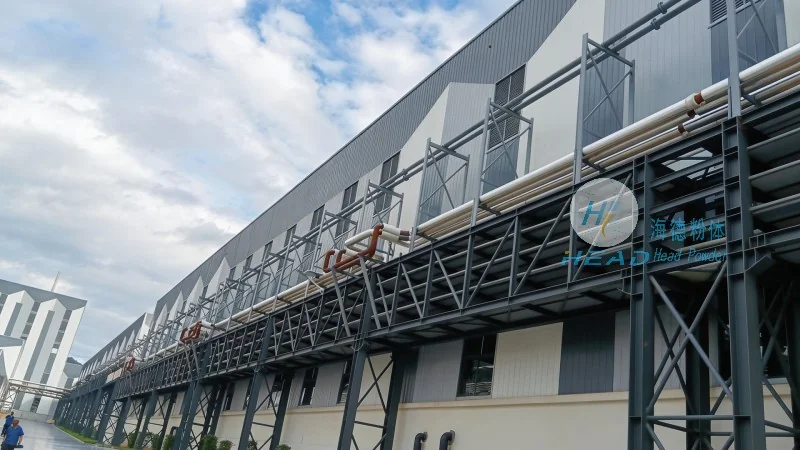
Iron ore fines pneumatic conveying systems are essential in modern industrial operations, particularly in the mining and processing sectors. These systems efficiently transport fine iron ore particles from one location to another using air as the conveying medium. Understanding the working principle and key features of such systems is crucial for optimizing material handling processes and enhancing operational efficiency. Developed by Shandong HeadPowder Engineering Co., Ltd., a leading provider in the field, these systems are designed to meet the specific needs of industrial clients.
Introduction to Iron Ore Fines Pneumatic Conveying Systems
Iron ore fines, characterized by their small particle size, present unique challenges in transportation due to their tendency to clog or degrade in traditional mechanical systems. Pneumatic conveying systems offer a solution by utilizing compressed air to move these fine particles through pipelines. This method not only ensures efficient transport but also maintains the integrity of the ore, making it suitable for downstream processing steps. The systems are engineered to handle the specific properties of iron ore fines, including particle size distribution, moisture content, and density, ensuring reliable performance in industrial applications.
Working Principle of Iron Ore Fines Pneumatic Conveying Systems
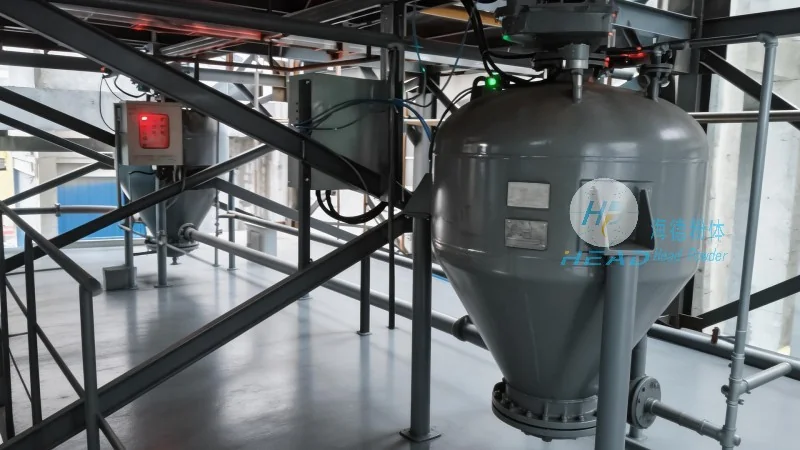
The core working principle of an iron ore fines pneumatic conveying system involves the generation of a high-pressure air stream within a pipeline. The system typically consists of a blower or compressor that supplies compressed air, a hopper or feeder that holds the iron ore fines, and a pipeline network that transports the material. As the compressed air is introduced into the hopper, it creates a low-pressure zone that draws the ore fines into the pipeline. The air stream then propels the particles through the pipeline, maintaining a consistent flow rate and preventing blockages. Key components include the air supply unit, which provides the necessary pressure and volume of air; the material feeder, which controls the flow rate of iron ore fines into the system; and the pipeline system, which is designed to handle the specific characteristics of iron ore fines, such as particle size and density. The system may also incorporate features like cyclones or filters to separate the ore from the air at the receiving end, ensuring that the material is delivered in a dry and usable form.
Key Features of Iron Ore Fines Pneumatic Conveying Systems
Several distinct features make iron ore fines pneumatic conveying systems highly effective for industrial applications. One of the primary advantages is the ability to transport fine particles over long distances without the need for intermediate storage or handling. This reduces the risk of material degradation and minimizes the need for additional equipment, such as conveyors or elevators. Another notable feature is the system's flexibility in handling varying particle sizes and moisture content. The design of the pipeline and air flow can be adjusted to accommodate different ore characteristics, ensuring consistent performance. Additionally, pneumatic conveying systems are less prone to clogging compared to mechanical systems, as the air stream helps to keep the particles in suspension and prevents the buildup of material in the pipeline.
Operational efficiency is another critical feature of these systems. The use of compressed air allows for precise control over the flow rate and pressure, enabling operators to adjust the system according to production demands. This adaptability is particularly valuable in dynamic industrial environments where production rates may fluctuate. Furthermore, the system's ability to handle large volumes of material in a continuous manner contributes to overall productivity and cost-effectiveness. The systems also offer improved safety in industrial environments by reducing the need for manual handling of heavy or dusty materials, thereby minimizing the risk of accidents and exposure to hazardous substances.
Applications and Benefits in Industrial Settings
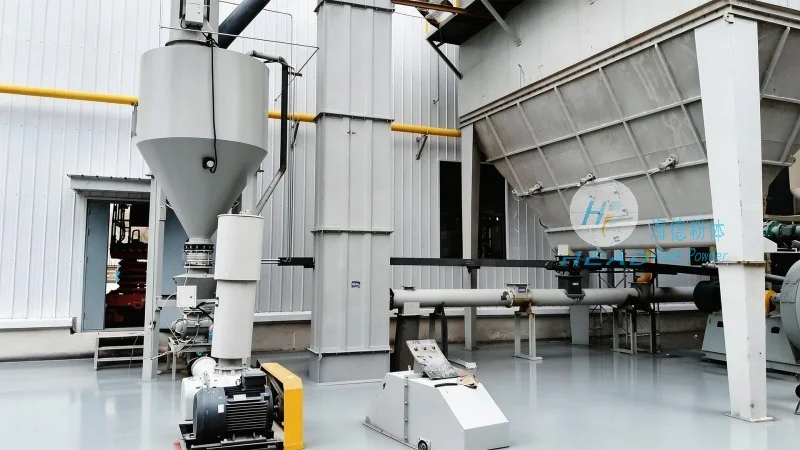
Iron ore fines pneumatic conveying systems are widely used in various industrial settings, including mining operations, steel mills, and ore processing plants. In mining, these systems are employed to transport ore from extraction sites to processing facilities, ensuring a smooth and continuous supply of raw materials. In steel mills, the systems help to deliver iron ore fines to the blast furnaces or other processing units, supporting the production of steel products. The benefits of using pneumatic conveying systems extend beyond efficiency and flexibility. These systems also contribute to improved safety by automating the transportation process, which reduces the risk of injuries associated with manual handling. Additionally, the systems help to maintain a clean and organized workplace by eliminating the need for open storage or manual loading and unloading of ore.
Conclusion
In conclusion, iron ore fines pneumatic conveying systems represent a sophisticated and efficient solution for transporting fine iron ore particles in industrial applications. The working principle, which relies on compressed air to move material through pipelines, combined with key features such as flexibility, efficiency, and safety, makes these systems highly valuable in modern mining and processing operations. As industries continue to seek more effective and sustainable material handling solutions, the importance of understanding and implementing such systems will only grow. Shandong HeadPowder Engineering Co., Ltd. remains committed to providing advanced pneumatic conveying solutions that meet the evolving needs of the industry, ensuring reliable and efficient material transport for its clients.