

Working Principle and Characteristics of Positive Pressure Dilute Phase Pneumatic Conveying Systems
Positive pressure dilute phase pneumatic conveying systems represent a sophisticated method for transporting bulk materials through a pipeline using pressurized air. This technology is widely utilized in various industries, including food processing, pharmaceuticals, and chemical manufacturing, due to its ability to handle a broad range of materials efficiently and safely. The system operates by injecting high-pressure air into a hopper or material container, which then propels the material particles through the pipeline. The "dilute phase" aspect refers to the relatively low concentration of material in the air stream, which allows for smooth and continuous flow with minimal blockages.
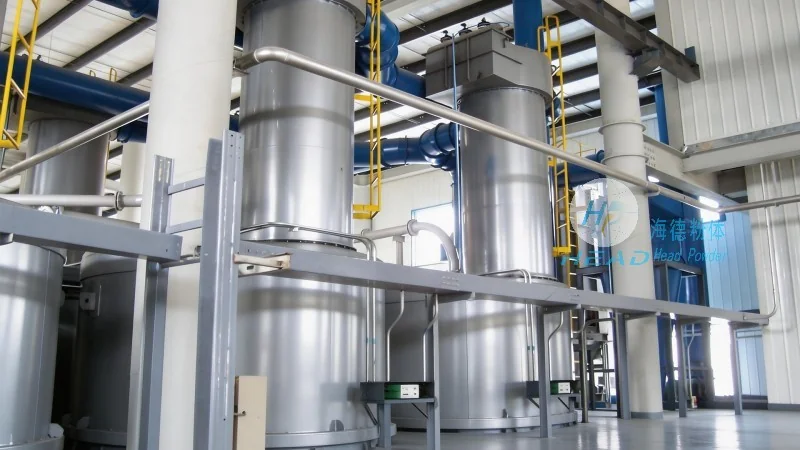
Working Principle of the System
The core working principle of a positive pressure dilute phase system involves the generation of a high-pressure air stream that entrains and transports solid particles. The process begins with the material being fed into a hopper equipped with a feeder, such as a rotary valve or a screw feeder. The feeder controls the flow rate of the material, ensuring a consistent supply to the system. Simultaneously, a blower or compressor provides the necessary air pressure, typically ranging from 0.5 to 2 bar, depending on the material characteristics and pipeline length. The pressurized air is then introduced into the hopper, creating a vacuum or pressure differential that draws the material particles into the air stream. As the material is entrained, it travels through the pipeline to the destination point, where it is discharged through a receiver or silo. The system's design ensures that the material is kept in a suspended state, preventing settling or clogging within the pipeline.
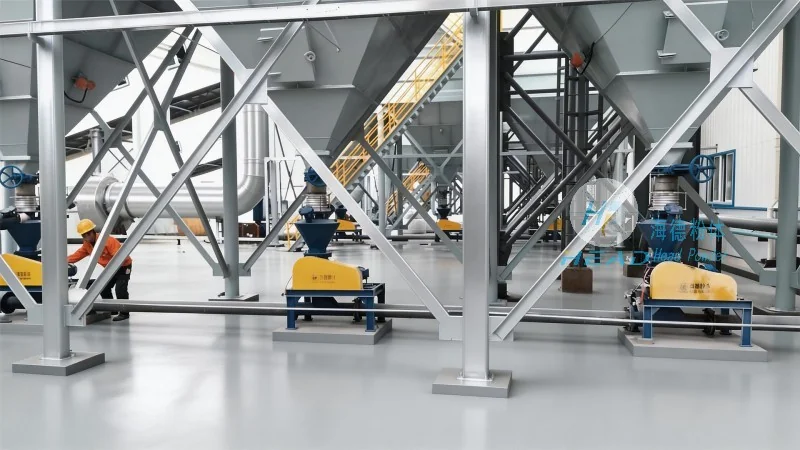
Key Characteristics and Advantages
Positive pressure dilute phase pneumatic conveying systems exhibit several distinct characteristics that make them advantageous for material handling applications. One of the primary advantages is the ability to transport materials over long distances with minimal maintenance. The system's design minimizes the risk of material degradation, as the material is kept in a suspended state, reducing friction and heat generation. Additionally, the system is highly flexible, allowing for multiple inlets and outlets, which enables complex material flow paths. The use of positive pressure also ensures that the material is transported in a closed system, preventing dust emissions and environmental contamination. Another key characteristic is the system's ability to handle a wide variety of materials, including powders, granules, and even bulk solids, with varying particle sizes and densities. The system's efficiency is further enhanced by the use of efficient air filtration and separation systems, which recover the material from the air stream and return it to the process.
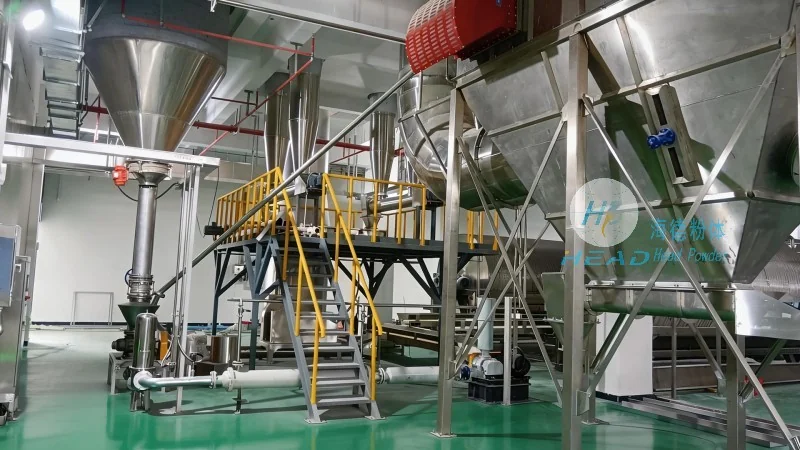
Applications and Industries
Positive pressure dilute phase pneumatic conveying systems are employed in a diverse range of industries, each with specific material handling requirements. In the food and beverage industry, these systems are used to transport ingredients such as flour, sugar, and spices, ensuring hygienic and dust-free handling. The pharmaceutical industry utilizes these systems for the transport of active pharmaceutical ingredients (APIs) and excipients, maintaining strict contamination control. In the chemical industry, the systems handle various powders and granules, including catalysts and reagents, with precision and reliability. The system's ability to handle hazardous materials, such as flammable or toxic powders, is also a significant advantage, as the closed system prevents exposure to personnel and the environment. Furthermore, the system's flexibility allows for integration into existing production lines, reducing downtime and increasing overall operational efficiency.
System Components and Design Considerations
The effectiveness of a positive pressure dilute phase system depends on the proper selection and integration of key components. The primary components include a blower or compressor, a hopper with a feeder, a pipeline system, and a receiver or discharge unit. The blower or compressor is responsible for generating the required air pressure, and its capacity must be matched to the material flow rate and pipeline length. The hopper and feeder are critical for controlling the material flow, and their design must accommodate the material's characteristics, such as bulk density and flowability. The pipeline system is typically made of stainless steel or other corrosion-resistant materials to ensure durability and prevent material degradation. The receiver or discharge unit is designed to collect the material and return it to the process, with features such as air filtration and separation to prevent dust accumulation. Design considerations also include the system's pressure drop, which is influenced by the pipeline length, diameter, and material properties. Proper sizing of the components and pipeline is essential to maintain the system's efficiency and prevent excessive energy consumption.
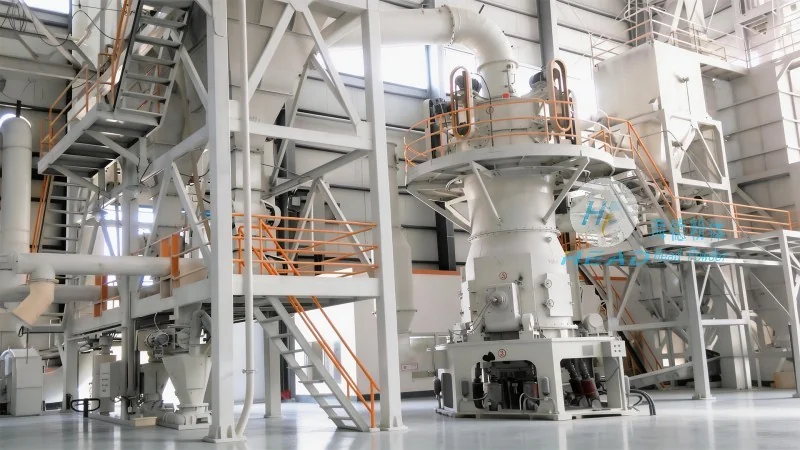
Maintenance and Operational Tips
Proper maintenance is crucial to ensure the long-term performance and reliability of a positive pressure dilute phase system. Regular inspection of the blower or compressor is necessary to check for wear and tear, and to ensure that the air pressure is within the specified range. The hopper and feeder should be cleaned regularly to prevent material buildup, which can affect the flow rate and cause blockages. The pipeline system should be inspected for any signs of corrosion or damage, and the air filtration system should be maintained to prevent clogging. Operational tips include monitoring the system's pressure and flow rates, and adjusting the feeder speed as needed to maintain consistent material transport. Additionally, the system should be operated within the recommended pressure and flow ranges to avoid excessive wear and energy consumption. By following these maintenance and operational guidelines, the system can operate efficiently and reliably for extended periods, minimizing downtime and maintenance costs.