

Working Principle and Features of Lightweight Cement Pneumatic Conveying Systems
Lightweight cement pneumatic conveying systems are critical in modern construction and industrial applications, offering efficient and reliable material handling solutions. Understanding their working principles and key features is essential for selecting the right equipment for specific operational needs.
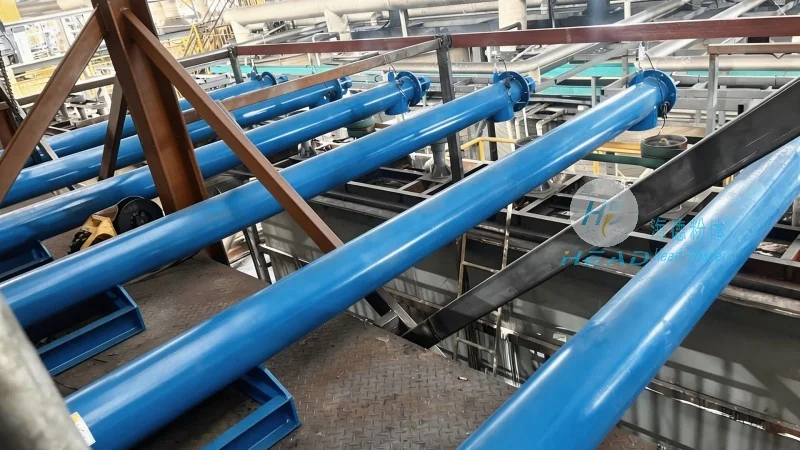
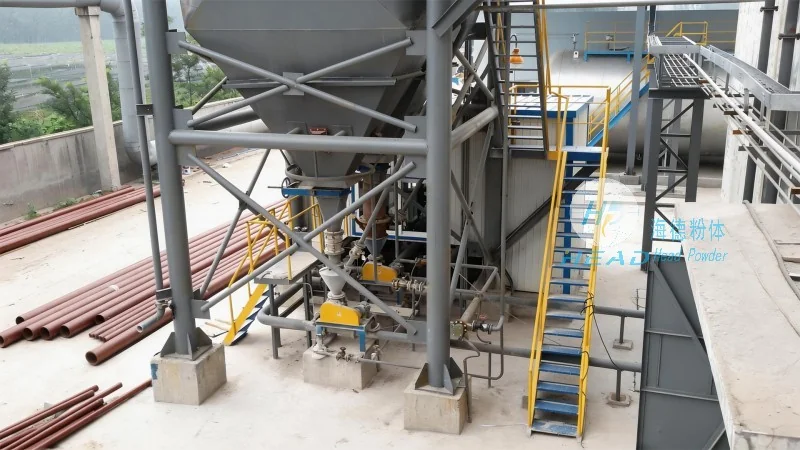
HeadPowder, a leading provider in the field, specializes in designing and manufacturing advanced pneumatic conveying systems tailored to the demands of the cement industry. With a strong presence in Shandong, China, the company leverages years of expertise to deliver high-performance solutions that enhance productivity and reduce operational costs.
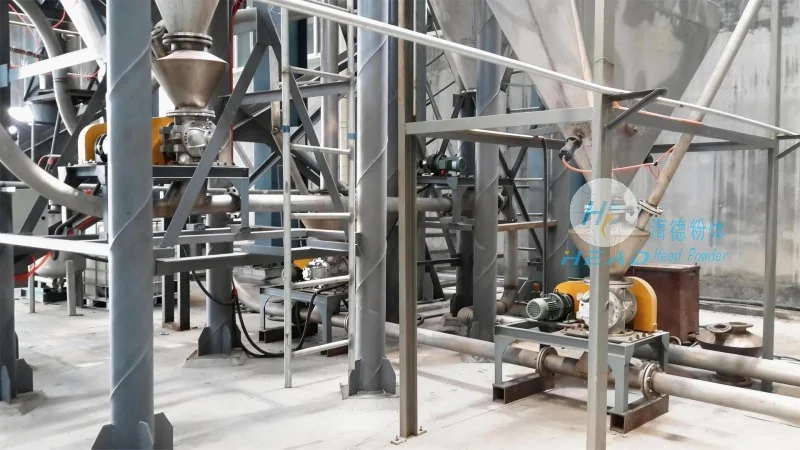
Working Principle of Lightweight Cement Pneumatic Conveying Systems
At the core of a lightweight cement pneumatic conveying system is the use of air as the primary medium to transport materials. The process typically involves several key components, including a hopper for material storage, a rotary valve or feeder to control the flow rate, a conveying pipeline, and a receiver or discharge point. The system operates by creating a negative pressure or positive pressure environment within the pipeline. In a negative pressure system, air is drawn through the pipeline, pulling the cement particles along with it. Conversely, positive pressure systems force air and material through the pipeline. The design of the system, including the type of airlock and the velocity of the air, is crucial for ensuring efficient and consistent material transport without degradation or blockages.
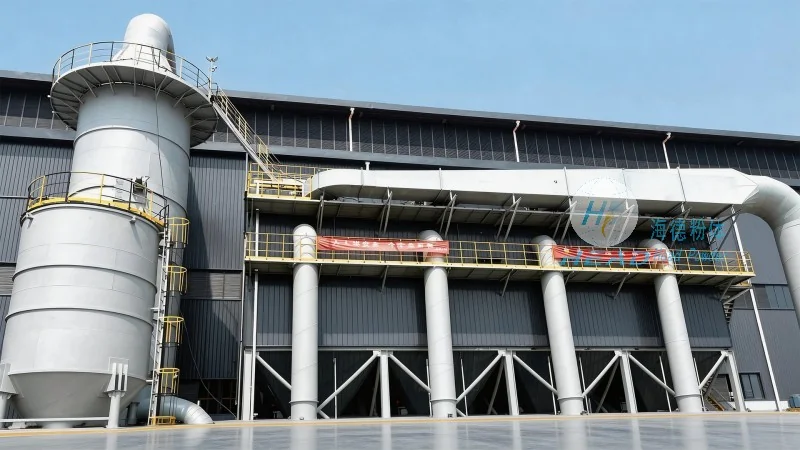
Key Features of Lightweight Cement Pneumatic Conveying Systems
Lightweight cement pneumatic conveying systems from HeadPowder are distinguished by several key features that address the unique challenges of handling lightweight, fine-grained materials. One of the primary advantages is the ability to handle materials with low bulk density, which is common in lightweight cement products. The systems are designed to minimize material degradation, ensuring that the cement's quality and consistency are maintained throughout the conveying process. Additionally, these systems offer high flexibility in terms of layout and integration with existing facilities, allowing for easy adaptation to different plant configurations. Another notable feature is the energy efficiency, as modern designs optimize air usage and reduce power consumption. The systems also provide excellent dust control, which is vital for maintaining a safe and clean working environment. Furthermore, the modular design allows for scalability, enabling companies to expand their conveying capabilities as their production needs grow.