

Working Principle and Features of PUR Pneumatic Conveying Systems
For industrial applications requiring efficient and reliable material handling, PUR pneumatic conveying systems offer a robust solution. These systems are designed to transport bulk materials through a pipeline using air or gas as the conveying medium. Understanding the working principle and key features of such systems is essential for selecting the right equipment for specific operational needs.
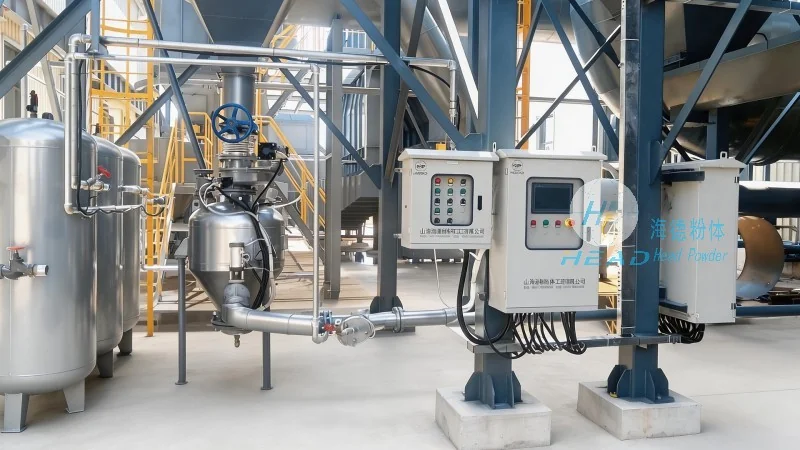
Company Introduction
HeadPowder, a leading manufacturer in the field, specializes in the design, production, and installation of advanced pneumatic conveying systems. With a strong presence in Shandong, China, the company leverages decades of industry experience to deliver high-quality solutions tailored to diverse industrial requirements. The company’s commitment to innovation and customer satisfaction ensures that clients receive systems that meet both current and future operational demands.
Working Principle of PUR Pneumatic Conveying Systems
PUR pneumatic conveying systems operate on the fundamental principle of using air or gas to move bulk materials through a sealed pipeline. The process typically involves the following steps: first, the material is introduced into the system, often via a hopper or feeder, where it is then mixed with the conveying medium. The air or gas, under controlled pressure, propels the material along the pipeline, ensuring consistent and efficient transport. The system can be configured as either positive pressure or negative pressure, depending on the material characteristics and the desired application. Positive pressure systems use compressed air to push the material forward, while negative pressure systems use suction to draw the material into the pipeline. This flexibility allows PUR systems to handle a wide range of materials, from fine powders to granules, with minimal loss and high efficiency.
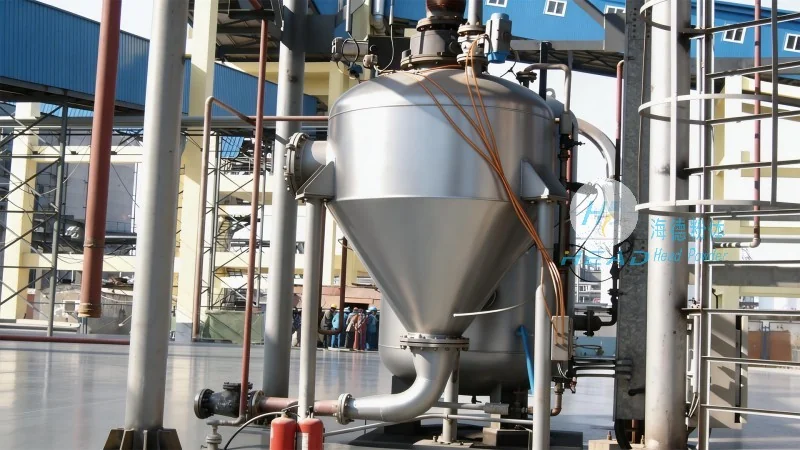
Key Features of PUR Pneumatic Conveying Systems
HeadPowder’s PUR pneumatic conveying systems are distinguished by several key features that enhance performance and reliability. One of the primary advantages is their ability to handle a variety of materials, including sensitive powders that require gentle handling to prevent agglomeration or degradation. The systems are designed with high-quality components, such as durable pipelines and efficient air compressors, ensuring long-term operation with minimal maintenance. Additionally, the systems offer excellent control over material flow, allowing for precise dosing and consistent delivery to downstream processes. This precision is crucial in applications where material consistency directly impacts product quality. Another notable feature is the environmental friendliness of the systems, as they eliminate the need for manual handling and reduce the risk of dust exposure, contributing to a safer working environment. The systems also provide energy efficiency, with optimized air flow and pressure control reducing operational costs over time. Furthermore, the modular design of the systems allows for easy integration into existing production lines, minimizing downtime during installation and ensuring seamless operation.
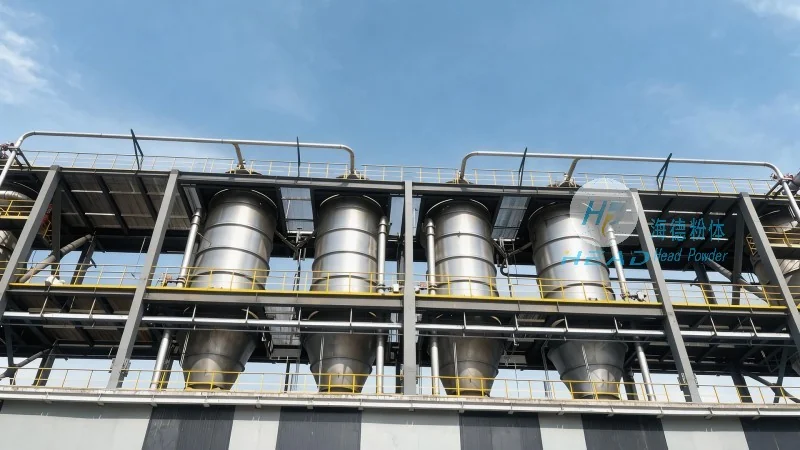
Applications and Benefits
PUR pneumatic conveying systems are widely used in various industries, including food processing, pharmaceuticals, chemicals, and mining. In the food industry, for example, these systems are employed to transport ingredients like flour, sugar, and spices, ensuring hygienic and efficient handling. The pharmaceutical sector benefits from the systems’ ability to handle sensitive powders without contamination, maintaining strict quality standards. In the chemical industry, the systems are used to transport bulk chemicals, providing a safe and controlled method of material transfer. The benefits of using PUR systems extend beyond individual applications; they contribute to overall operational efficiency by reducing labor costs, minimizing material loss, and improving process reliability. The systems also enhance safety by eliminating the need for manual handling of bulk materials, which can be hazardous in some environments. By integrating these systems into production lines, companies can achieve higher productivity and better control over their material handling processes.
Conclusion
PUR pneumatic conveying systems, as exemplified by the solutions from Shandong HeadPowder Engineering Co., Ltd., represent a sophisticated and efficient approach to bulk material handling. The systems combine advanced engineering with practical design to deliver reliable performance across diverse industrial applications. By understanding the working principle and leveraging the key features of these systems, businesses can enhance their operational capabilities, reduce costs, and improve overall productivity. With a strong commitment to quality and customer satisfaction, HeadPowder continues to be a trusted partner in providing tailored pneumatic conveying solutions that meet the evolving needs of modern industry.