

Working Principle and Features of Lithium Cobalt Oxide Pneumatic Conveying Systems
HeadPowder, a leading provider in the field of material handling solutions, specializes in advanced pneumatic conveying systems tailored for handling lithium cobalt oxide (LCO) materials. This article delves into the working principle and key features of such systems, highlighting their efficiency, safety, and adaptability in industrial applications.
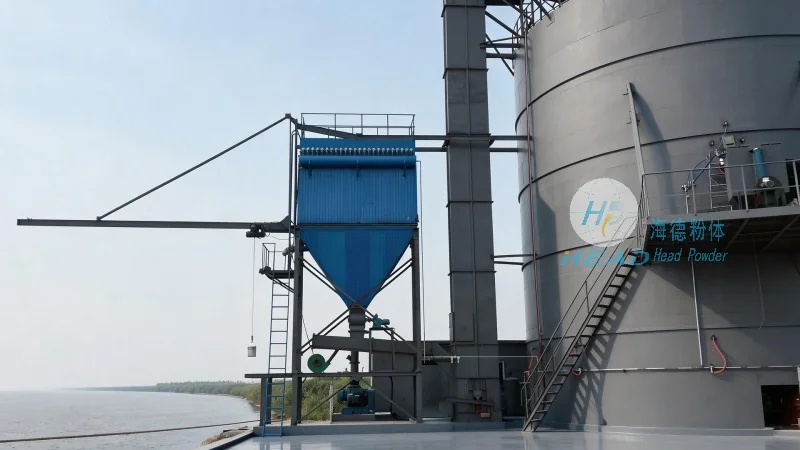
Company Introduction
HeadPowder Engineering Co., Ltd., based in Shandong, China, is dedicated to delivering innovative engineering solutions for material transport and processing. With a strong focus on precision and reliability, the company has established itself as a trusted partner for industries requiring high-performance pneumatic conveying systems, particularly for handling sensitive materials like lithium cobalt oxide.
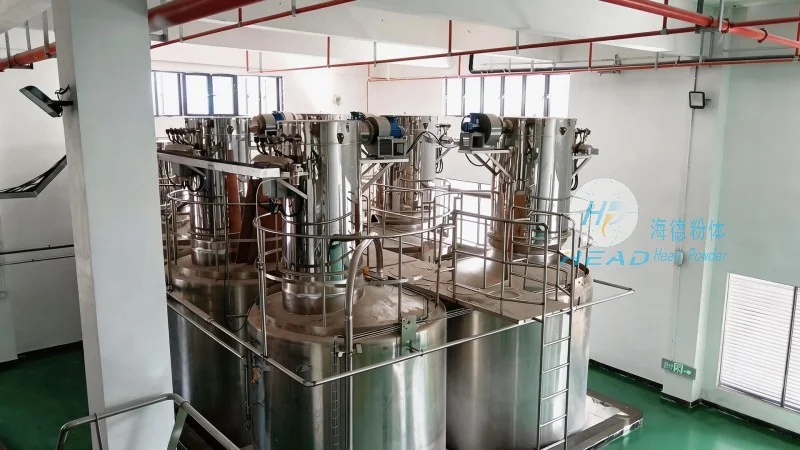
Working Principle of Lithium Cobalt Oxide Pneumatic Conveying Systems
The core of a pneumatic conveying system for lithium cobalt oxide lies in its ability to transport powders through a pressurized air stream. The system typically operates by using a blower or compressor to generate air pressure, which then propels the LCO particles through a pipeline network. The process involves several key components, including a hopper for material storage, a feeder to control the flow rate, and a filter system to capture any fine particles and ensure air quality. The air stream can be either positive pressure (where air pushes the material) or negative pressure (where air pulls the material), with the choice depending on the specific application and material characteristics. For lithium cobalt oxide, which is a fine powder with potential dust explosion risks, positive pressure systems are often preferred as they minimize the risk of external air ingress and reduce ignition hazards.
Key Features of the Pneumatic Conveying System
Several distinctive features make the lithium cobalt oxide pneumatic conveying system an optimal choice for industrial use. Firstly, it offers high efficiency in material transport, capable of moving large volumes of LCO with minimal downtime. The system’s design minimizes material degradation and contamination, which is crucial for maintaining the purity of lithium cobalt oxide, a critical component in lithium-ion batteries. Secondly, it enhances operational safety by enclosing the material handling process, reducing the risk of dust exposure and explosion hazards. The enclosed pipeline system prevents dust from escaping into the workplace, while the filter and venting systems ensure compliance with environmental and safety regulations. Thirdly, the system provides flexibility in layout, allowing for customized pipeline configurations to suit different production line setups. This adaptability is essential for factories that may need to reconfigure their material handling routes as production scales or product lines change. Additionally, the system is designed for low maintenance, with components that are easy to access and replace, reducing operational costs and ensuring consistent performance over time.
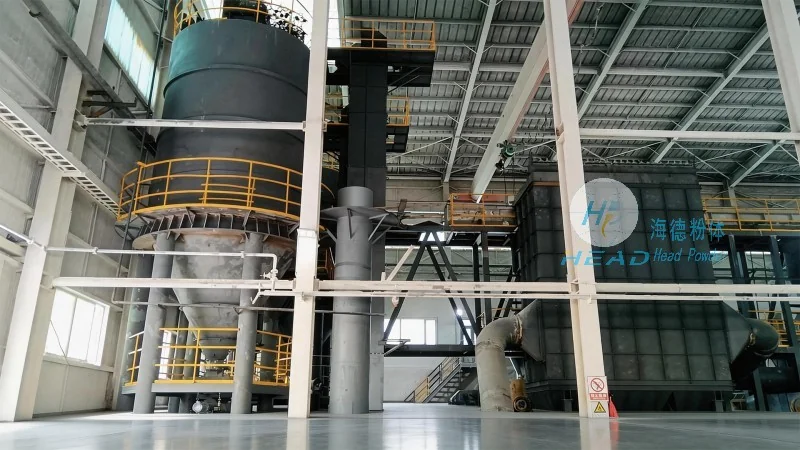
Benefits and Applications
The application of a lithium cobalt oxide pneumatic conveying system brings numerous benefits to manufacturing processes. By streamlining the material transport from storage to processing units, it improves overall production efficiency and reduces labor costs associated with manual handling. The system’s ability to handle fine powders without clogging or agglomeration ensures consistent quality in downstream processes, such as mixing and packing. Furthermore, the enclosed design contributes to a cleaner and safer working environment, which is vital in industries where dust control is a regulatory requirement. These advantages make the system particularly suitable for battery manufacturing plants, where the quality and safety of lithium cobalt oxide are paramount. The system’s reliability and performance directly impact the productivity and profitability of the facility, making it a strategic investment for companies in the battery and energy storage sectors.