With more than 10‑year industry experience, Shandong Headpowder delivers full‑service pneumatic‑conveying systems and blowers, undertaking nationwide turn‑key powder‑handling projects.
When it comes to the pneumatic conveying of foam plastics, selecting the right system is crucial for efficiency, cost-effectiveness, and material integrity. Two primary methods dominate the industry: negative pressure (or suction) conveying and positive pressure (or pressure) conveying. Each approach has its own set of advantages and disadvantages, which can significantly impact operational outcomes. This article provides a detailed comparison of these two systems, focusing on their applications, performance characteristics, and suitability for foam plastic handling.
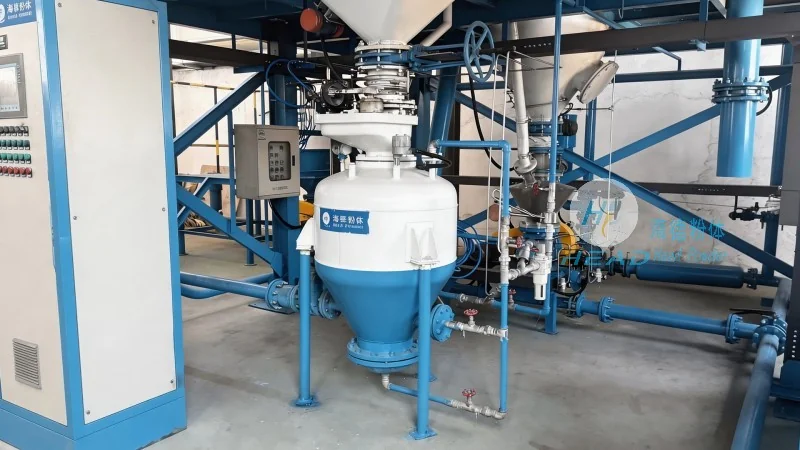
Pneumatic conveying systems are widely used in the processing of lightweight, low-density materials like foam plastics. These systems utilize air or gas to transport materials through a pipeline network. The choice between negative pressure and positive pressure systems depends on factors such as material properties, system layout, and operational requirements. Foam plastics, with their low bulk density and tendency to create dust or fines, present unique challenges that both conveying methods must address.
Negative pressure conveying, also known as suction conveying, operates by creating a vacuum at the material inlet. This vacuum draws the material into the pipeline using the pressure differential between the inlet and the system's discharge point. The primary advantage of negative pressure systems is their ability to handle materials that are prone to generating dust or fines, as the vacuum helps to capture and transport these particles without loss. This method is particularly effective for materials that are light and may be easily dispersed in the air.
However, negative pressure systems have several limitations. One major drawback is their limited conveying distance and capacity. The vacuum pressure drop over long distances can reduce the effective suction power, making it difficult to transport materials over extended lengths or at high flow rates. Additionally, these systems are more susceptible to blockages and system inefficiencies if the material contains high moisture content or sticky components, as the vacuum may not effectively handle such substances. Maintenance requirements are also higher due to the need for regular cleaning of the suction inlet and associated equipment.
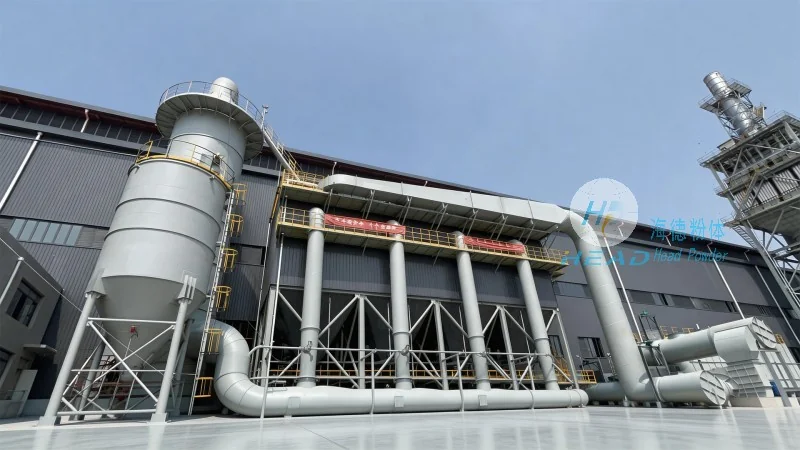
Positive pressure conveying, or pressure conveying, works by blowing air or gas through the pipeline under pressure, pushing the material from the inlet to the discharge point. This method is generally more suitable for longer conveying distances and higher material flow rates compared to negative pressure systems. The primary advantage of positive pressure systems is their ability to handle a wider range of materials, including those with higher bulk density or more abrasive properties. They are less affected by material moisture content and sticky components, as the high-pressure air helps to keep the material moving and prevents blockages.
Nevertheless, positive pressure systems have their own set of challenges. The most significant drawback is the potential for material degradation due to the high air velocities and pressures involved. Foam plastics, being lightweight and fragile, may be susceptible to damage or degradation during the conveying process, leading to reduced product quality. Additionally, positive pressure systems require more robust equipment, such as high-pressure blowers and more durable pipelines, which can increase initial capital costs and maintenance expenses. The system also generates more noise and may require additional filtration to control dust emissions, especially when handling fine foam particles.
The decision between negative and positive pressure conveying for foam plastics should be based on several key factors. The first consideration is the conveying distance and required flow rate. For short distances and low flow rates, negative pressure systems may be sufficient. However, for longer distances or higher throughput, positive pressure systems are generally more effective. Material properties, such as bulk density, dust generation, and moisture content, also play a critical role. Materials that are prone to dust or have high moisture content may benefit from negative pressure systems, while those with higher bulk density or abrasive characteristics may be better suited for positive pressure systems.
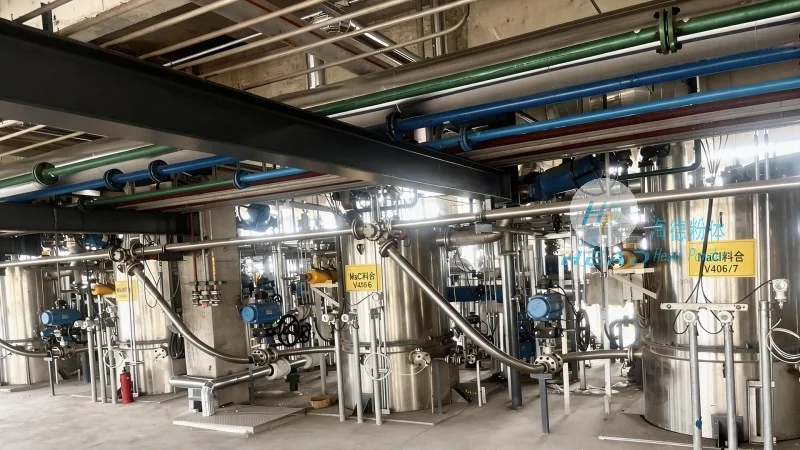
Operational costs and maintenance requirements are also important considerations. Negative pressure systems may have lower initial costs but higher long-term maintenance due to frequent cleaning and potential blockages. Positive pressure systems, while more expensive upfront, may offer lower maintenance costs and better material handling efficiency over time. The system layout and available space also influence the choice, as negative pressure systems often require a dedicated suction inlet and may have limited flexibility in pipeline design.
In conclusion, both negative pressure and positive pressure conveying systems have their place in the pneumatic handling of foam plastics. The optimal choice depends on the specific application requirements, material characteristics, and operational constraints. Negative pressure systems excel in handling light, dusty materials over short distances, while positive pressure systems are better suited for longer distances and higher flow rates, particularly with materials that are more robust or have higher bulk density. By carefully evaluating these factors, manufacturers can select the most appropriate conveying system to ensure efficient, cost-effective, and reliable foam plastic processing.
Shandong HeadPowder Engineering Co., Ltd., a leading provider of pneumatic conveying solutions, specializes in designing and manufacturing customized systems tailored to the unique needs of foam plastic manufacturers. With years of experience in the industry, HeadPowder offers expert consultation and high-quality equipment to help clients optimize their material handling processes. Based in Shandong, China, HeadPowder serves clients globally, providing reliable solutions that enhance productivity and reduce operational costs.

 Shandong Headpowder Engineering Co., Ltd.
 156-6277-7102(Manager Zhang)
  0531-83386006
  Zhangqiu District, Jinan City, Shandong Province, China
telephone
WeChatconsult
top