With more than 10‑year industry experience, Shandong Headpowder delivers full‑service pneumatic‑conveying systems and blowers, undertaking nationwide turn‑key powder‑handling projects.
HeadPowder, a leading provider in the field of powder handling solutions, specializes in optimizing material transport processes for industries that rely on zinc oxide powder. This article provides a detailed comparison of negative pressure and positive pressure pneumatic conveying systems, focusing on their applications, benefits, and limitations when handling zinc oxide powder. The company, Shandong HeadPowder Engineering Co., Ltd., is headquartered in Shandong, China, and has extensive experience in designing and implementing efficient material handling systems for various industrial applications.
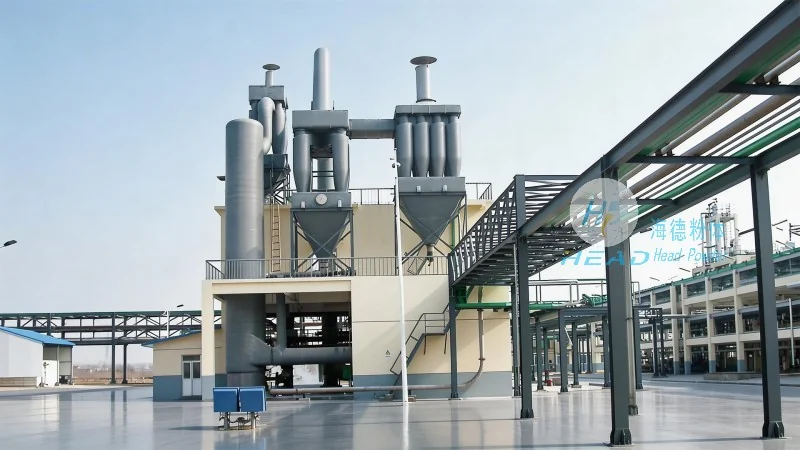
Pneumatic conveying is a widely used method for transporting bulk materials like zinc oxide powder from one location to another. It involves the use of air or gas to move particles through a pipeline. The two primary types of pneumatic conveying systems are negative pressure (or suction) and positive pressure (or pressure) systems. Each system has distinct characteristics that make it suitable for different operational requirements and material properties.
Negative pressure systems operate by creating a vacuum at the receiving end of the pipeline, drawing material from the source into the system. This method is particularly effective for transporting zinc oxide powder over relatively short distances and when the material is to be collected in a hopper or storage bin. The primary advantage of negative pressure conveying is its ability to handle materials that are sensitive to pressure changes or that may generate dust during transport. By maintaining a lower pressure environment, the system minimizes the risk of material degradation and reduces the likelihood of dust contamination. Additionally, negative pressure systems are generally more energy-efficient for short-distance applications as they require less power to maintain the vacuum compared to pressure systems.
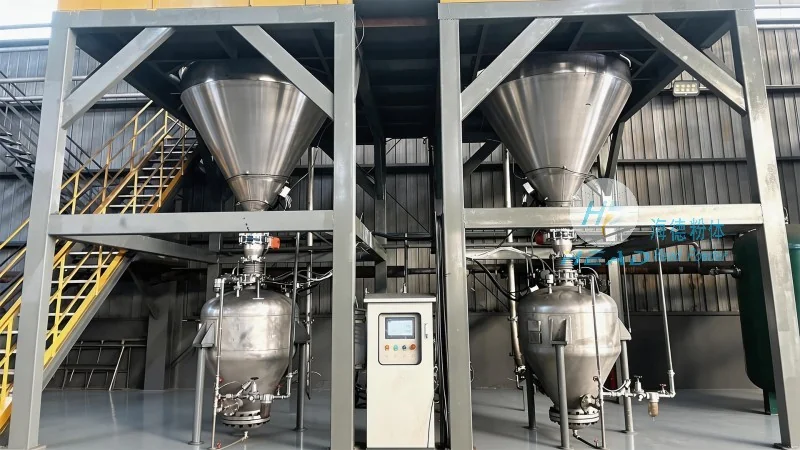
However, negative pressure conveying has several limitations when applied to zinc oxide powder. One major drawback is its lower conveying capacity compared to positive pressure systems. The vacuum created can only handle a certain volume of material at a time, which may not be sufficient for high-volume production lines. Another limitation is the potential for material to be drawn back into the system if the vacuum is not properly maintained, leading to inefficiencies and potential blockages. Furthermore, negative pressure systems are more susceptible to external air leaks, which can compromise the vacuum and reduce conveying efficiency. The design of the system also requires careful consideration of the source and destination locations, as the pipeline must be laid in a way that allows for proper air flow and material movement without creating obstructions.
Positive pressure systems, on the other hand, operate by forcing air or gas through the pipeline under pressure, pushing the zinc oxide powder from the source to the destination. This method is ideal for longer conveying distances and for applications where high material throughput is required. The primary advantage of positive pressure conveying is its higher conveying capacity and ability to handle larger volumes of zinc oxide powder efficiently. It is particularly suitable for industrial settings where continuous material flow is essential, such as in manufacturing plants that process large quantities of zinc oxide for various applications.
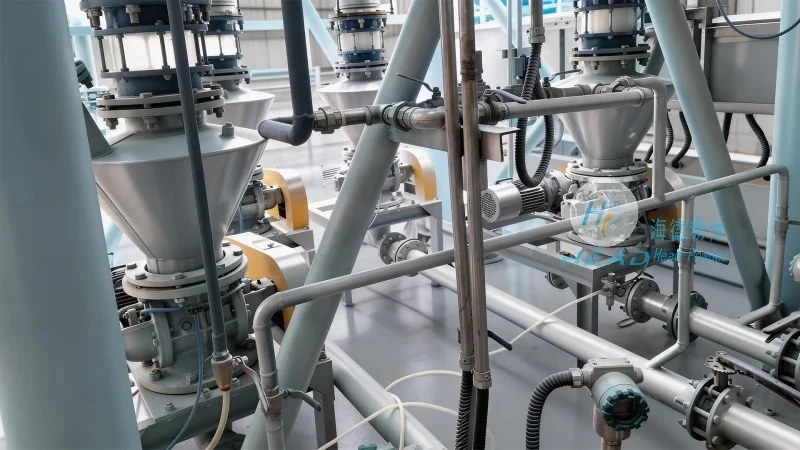
Positive pressure systems also offer better control over the material flow rate and pressure, allowing for more precise handling of the powder. This is crucial when dealing with zinc oxide powder, which may have varying particle sizes and flow characteristics. The system can be designed to maintain consistent pressure, ensuring that the material moves smoothly through the pipeline without clogging or segregation. Another benefit is the reduced risk of dust exposure compared to negative pressure systems, as the material is contained within the pipeline under pressure, minimizing the release of particles into the environment.
Despite these advantages, positive pressure conveying has its own set of challenges. The most significant drawback is the higher energy consumption associated with maintaining the pressure in the system. This can increase operational costs, especially for long-distance or high-volume applications. Additionally, positive pressure systems require more robust equipment, such as high-pressure blowers or compressors, which may be more expensive to install and maintain. The system is also more prone to pressure-related issues, such as leaks or over-pressurization, which can lead to material loss or equipment damage. Proper maintenance and regular inspections are essential to ensure the longevity and efficiency of positive pressure conveying systems.
When selecting between negative and positive pressure pneumatic conveying systems for zinc oxide powder, several factors must be considered. The first and most critical factor is the distance between the source and destination. For short distances (typically less than 50 meters), negative pressure systems are often more cost-effective and efficient. For longer distances (over 50 meters), positive pressure systems are generally preferred due to their higher capacity and ability to maintain consistent flow. The volume of material to be conveyed is another important consideration. High-volume applications, such as those in large-scale manufacturing, benefit from positive pressure systems, while low to medium volumes may be better suited for negative pressure systems.
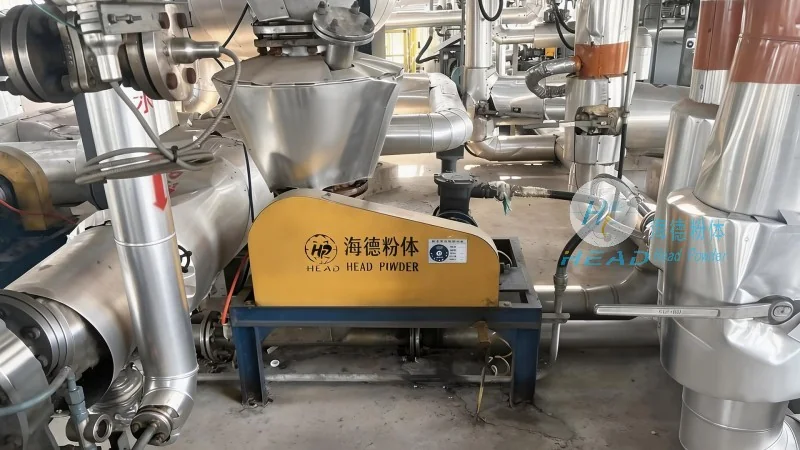
The nature of the zinc oxide powder itself also plays a role in system selection. If the powder is sensitive to pressure changes or has a tendency to generate dust, negative pressure systems may be more appropriate to minimize degradation. Conversely, if the powder is non-reactive and requires high throughput, positive pressure systems offer better performance. The available space and layout of the facility are also factors to consider. Negative pressure systems may require more space for the vacuum source and collection equipment, while positive pressure systems can be more compact due to the use of pressure vessels and blowers.
Both negative pressure and positive pressure pneumatic conveying systems have their own advantages and disadvantages when handling zinc oxide powder. The choice between the two depends on the specific operational requirements, such as distance, material volume, and sensitivity to pressure changes. HeadPowder, with its expertise in powder handling solutions, can provide tailored systems that optimize the conveying process for zinc oxide powder. By carefully evaluating the needs of the application, companies can select the most suitable pneumatic conveying system to ensure efficient, safe, and cost-effective material transport. The company's commitment to quality and innovation ensures that clients receive reliable solutions that meet their industrial demands.

 Shandong Headpowder Engineering Co., Ltd.
 156-6277-7102(Manager Zhang)
  0531-83386006
  Zhangqiu District, Jinan City, Shandong Province, China
telephone
WeChatconsult
top