

Working Principle and Features of Calcium Nitrite Pneumatic Conveying System
Calcium nitrite is a vital chemical utilized across diverse industrial sectors, and the efficient handling of this material is crucial for maintaining operational efficiency and safety. The calcium nitrite pneumatic conveying system, engineered by Shandong HeadPowder Engineering Co., Ltd., is a specialized equipment designed to transport calcium nitrite powder from storage to processing units with precision and reliability. This article delves into the working principle and key features of this advanced conveying system, highlighting its benefits for industrial operations.
Working Principle of Calcium Nitrite Pneumatic Conveying System
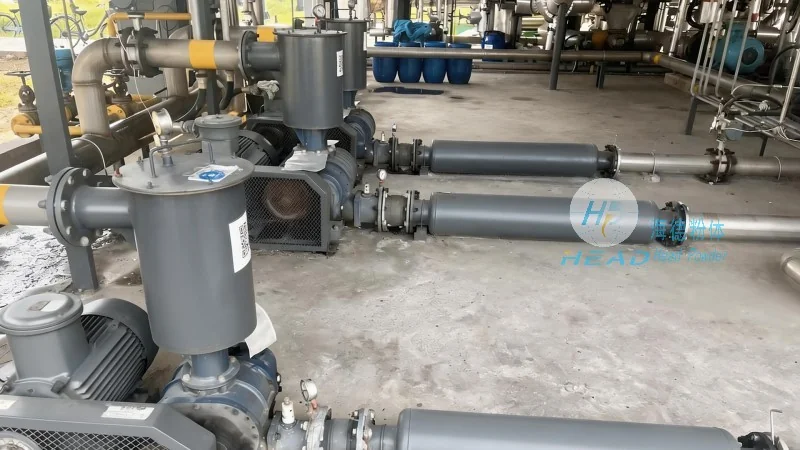
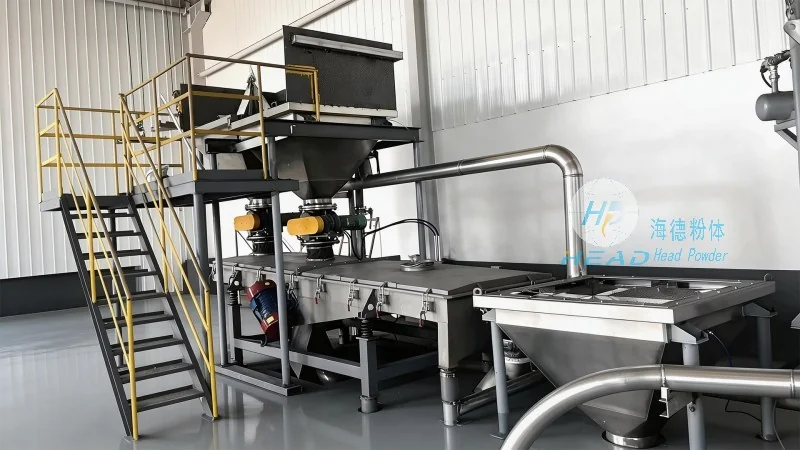
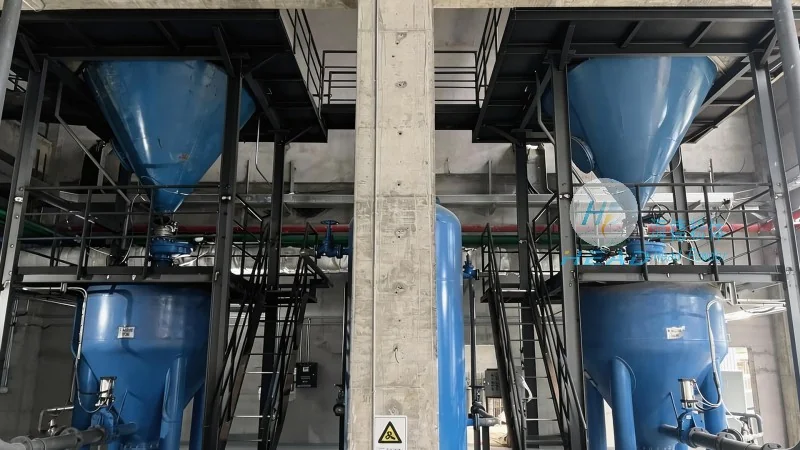
The calcium nitrite pneumatic conveying system operates on the principle of pneumatic transport, which involves using air or gas to move bulk materials through a pipeline. In this system, calcium nitrite powder is first loaded into a hopper or storage silo. A rotary valve or feeder then meters the material into the conveying line. Simultaneously, a fan or blower generates high-velocity airflow within the pipeline. The air flow, combined with the material, forms a dense phase or dilute phase stream, depending on the system design. The dense phase conveying method is commonly employed for calcium nitrite as it minimizes material degradation and ensures a smooth flow. The system typically includes components such as a feeder, a conveying line, a receiver, and a filter system. The feeder controls the flow rate of the calcium nitrite, while the conveying line transports the material to the destination. The receiver collects the material and the filter system removes dust or particles from the air, ensuring environmental compliance and operational safety.
Key Features of the Calcium Nitrite Pneumatic Conveying System
Shandong HeadPowder Engineering Co., Ltd. has engineered the calcium nitrite pneumatic conveying system with several distinctive features that enhance performance and adaptability. Firstly, the system is designed for high efficiency, with minimal material loss and low maintenance requirements. The use of a dense phase conveying method ensures calcium nitrite is transported without segregation or degradation, preserving quality for downstream processes. Secondly, the system incorporates advanced control systems for precise regulation of material flow rate and air pressure, crucial for maintaining consistent product quality and preventing overloading or underloading. Thirdly, the equipment is constructed with corrosion-resistant materials like stainless steel to withstand calcium nitrite's chemical properties and ensure long-term durability, especially in environments with moisture or corrosive agents. Additionally, the system includes safety features such as pressure relief valves and emergency shut-off mechanisms to prevent accidents and protect personnel. The compact design allows easy integration into existing production lines, reducing installation time and costs. Furthermore, the system is equipped with monitoring and diagnostic tools for real-time tracking of operational parameters, facilitating proactive maintenance and reducing downtime.
Benefits of Using the Calcium Nitrite Pneumatic Conveying System
The implementation of the calcium nitrite pneumatic conveying system by Shandong HeadPowder Engineering Co., Ltd. offers numerous advantages for industrial operations. The primary benefit is significant improvement in material handling efficiency, as the system can transport large quantities of calcium nitrite quickly and reliably, reducing manual handling needs and associated risks. The system also enhances product quality by preventing degradation and maintaining consistent particle size distribution, critical for applications like corrosion inhibitors and flame retardants. Another key benefit is reduced operational costs; the system's low maintenance and energy efficiency lower long-term expenses compared to traditional methods like belt conveyors or bucket elevators. Additionally, the compact design and easy integration reduce installation and space requirements, making it suitable for new or existing facilities. Environmental benefits are notable, as the filter system effectively captures dust and particles, minimizing air pollution and ensuring regulatory compliance. Overall, the system provides a reliable, efficient, and cost-effective solution for calcium nitrite transportation, supporting smooth industrial processes.
Application Scenarios and Industrial Integration
The calcium nitrite pneumatic conveying system is widely applicable in sectors using calcium nitrite as a raw material, including the chemical industry (for corrosion inhibitors and water treatment), food industry (as a preservative), and pharmaceutical industry (for formulations). The system can be integrated into existing production lines or used as a standalone unit, adapting to different flow rates and material characteristics for small-scale or large-scale operations. Its modular design enables easy expansion or modification as production needs change, providing long-term value. Compatibility with other industrial equipment like mixers, reactors, and packaging machines facilitates seamless workflow integration, ensuring efficient material transport from storage to processing units and minimizing bottlenecks.
Conclusion and Future Outlook
Shandong HeadPowder Engineering Co., Ltd. has developed a highly effective calcium nitrite pneumatic conveying system that combines advanced technology with robust design. The system's pneumatic transport principle ensures efficient and safe handling of calcium nitrite, while features like dense phase conveying, advanced controls, and corrosion-resistant materials enhance performance and durability. Benefits include improved efficiency, product quality, and cost reduction, making it an attractive solution for industrial operations. As industrial demands for efficient material handling grow, this system represents a reliable, forward-thinking approach to managing calcium nitrite. With proven performance and adaptability, it is well-positioned to meet evolving industry needs, supporting sustainable and productive operations for years to come.