With more than 10‑year industry experience, Shandong Headpowder delivers full‑service pneumatic‑conveying systems and blowers, undertaking nationwide turn‑key powder‑handling projects.
Understanding the working principle and features of nitrogen protective pneumatic conveying systems is crucial for industries that require safe and efficient material handling, particularly in environments where oxygen-sensitive materials are processed. This article delves into the technical aspects of such systems, highlighting how they operate and the key advantages they offer.
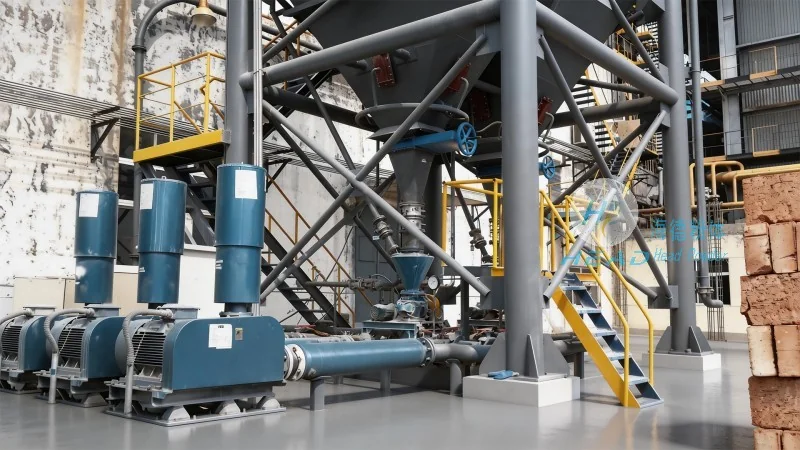
Nitrogen protective pneumatic conveying systems are specialized equipment designed to transport bulk materials through a pipeline using a nitrogen gas stream as the conveying medium. The primary purpose of incorporating nitrogen is to create an inert atmosphere, which prevents oxidation or combustion of the material being conveyed—making this technology ideal for handling flammable, explosive, or oxygen-sensitive powders and granules. The system combines pneumatic conveying technology with nitrogen gas supply to ensure both material integrity and operational safety.
The operation of a nitrogen protective pneumatic conveying system involves several key components, each playing a critical role in the material transport process. The main components typically include a material feeder, a nitrogen gas source (often with a pressure regulator and flow control valve), a conveying pipeline, a separation and collection unit, and a filter system. The working principle can be broken down into the following steps:
1. Material Feeding: The bulk material is fed into the system through a hopper or a rotary valve. The feeder ensures a consistent and controlled flow of material into the conveying line, preventing blockages and maintaining system efficiency.
2. Nitrogen Gas Injection: Nitrogen gas, which is introduced from a high-purity source, is mixed with the material at the feeder or along the pipeline. The gas acts as a carrier, creating a slurry of material and gas that moves through the pipeline under pressure.
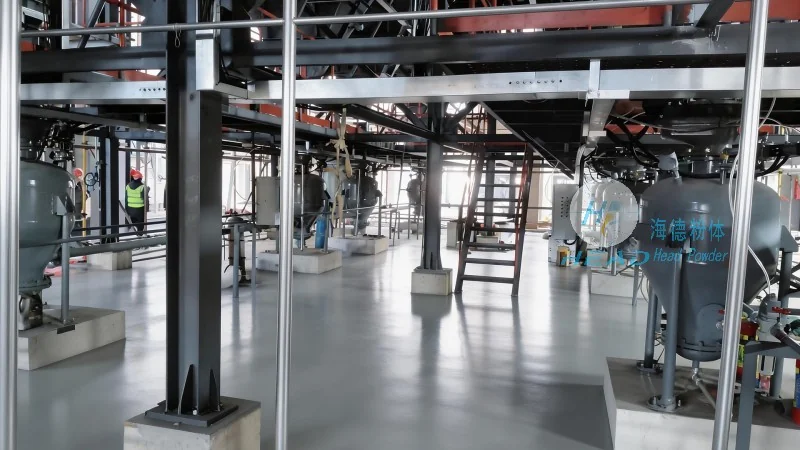
3. Pneumatic Conveying: The mixture of material and nitrogen gas is propelled through the pipeline by the pressure of the nitrogen gas. The system can operate in either positive or negative pressure modes, depending on the application. Positive pressure systems use compressed nitrogen to push the material forward, while negative pressure systems use a vacuum to draw the material into the pipeline.
4. Separation and Collection: At the receiving end of the pipeline, the material is separated from the nitrogen gas. This is typically achieved using a cyclone separator or a bag filter, which captures the material and returns it to a storage bin or processing unit. The nitrogen gas, now free of material particles, is either vented to the atmosphere or recycled back into the system for reuse.
Several distinct features make nitrogen protective pneumatic conveying systems a preferred choice for industries dealing with sensitive materials. These features include:
1. Enhanced Safety: By using nitrogen as the conveying medium, the system eliminates the risk of oxygen exposure, which is critical for preventing spontaneous combustion or explosion in flammable materials. This makes the equipment suitable for applications in chemical, pharmaceutical, and food processing industries where safety is paramount.
2. Improved Material Integrity: The inert atmosphere provided by nitrogen prevents oxidation, moisture absorption, or degradation of the material during transport. This is particularly important for handling sensitive powders, such as pharmaceuticals or food additives, where quality and purity must be maintained.
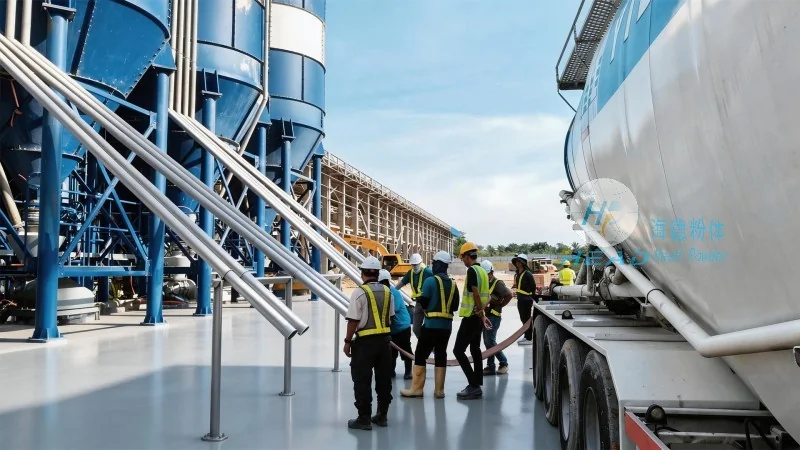
3. Energy Efficiency: Compared to mechanical conveying systems, pneumatic conveying systems can be more energy-efficient, especially for long-distance or high-volume material transport. The use of nitrogen gas allows for precise control of flow rates and pressure, optimizing energy consumption.
4. Versatility in Material Handling: Nitrogen protective systems can handle a wide range of materials, including powders, granules, and even bulk solids with varying particle sizes and densities. The system's flexibility allows it to be adapted to different production processes and material characteristics.
5. Reduced Maintenance and Downtime: The design of these systems, with components like cyclone separators and efficient filtration, minimizes the accumulation of material in the pipeline and reduces the need for frequent cleaning. This leads to lower maintenance costs and less downtime compared to traditional mechanical conveying methods.
Nitrogen protective pneumatic conveying systems are widely used across various industries due to their ability to handle sensitive materials safely and efficiently. Some common applications include:
Chemical Industry: Transporting flammable powders, such as organic chemicals or explosives, in a controlled, oxygen-free environment.
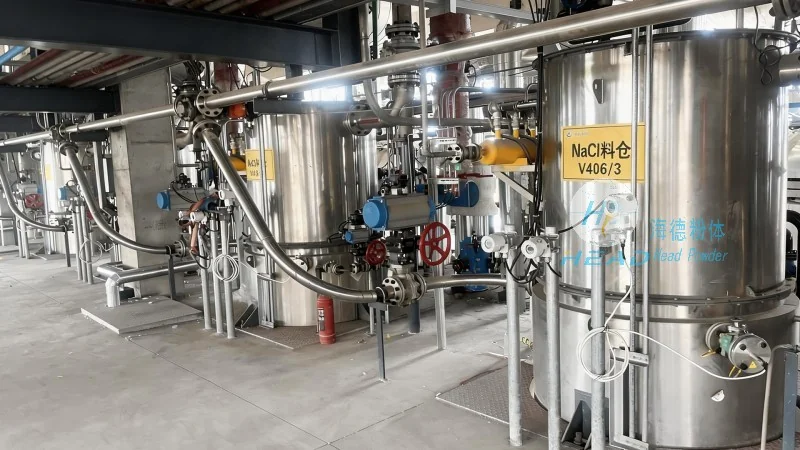
Pharmaceutical Industry: Conveying active pharmaceutical ingredients (APIs) or excipients that require protection from moisture and oxidation during processing.
Food and Beverage Industry: Handling food-grade powders, such as spices, vitamins, or dairy products, while maintaining hygiene and preventing contamination.
Plastics and Rubber Industry: Transporting raw materials like polymer powders or additives without exposing them to air, which could affect their properties.
In summary, nitrogen protective pneumatic conveying systems represent a sophisticated solution for safe and efficient material handling in industries dealing with sensitive or hazardous materials. By leveraging the inert properties of nitrogen gas, these systems ensure material integrity, enhance operational safety, and offer energy-efficient performance. The key to their success lies in the integration of high-quality components and precise control mechanisms, which are characteristic of systems designed by companies like Shandong HeadPowder Engineering Co., Ltd., a leading provider of pneumatic conveying solutions in China.

 Shandong Headpowder Engineering Co., Ltd.
 156-6277-7102(Manager Zhang)
  0531-83386006
  Zhangqiu District, Jinan City, Shandong Province, China
telephone
WeChatconsult
top