

Working Principle and Features of a Gas-Pneumatic Conveyor for Wet Sodium Nitrate
Gas-pneumatic conveyors are essential equipment in the chemical and industrial sectors, particularly when handling materials like wet sodium nitrate. Understanding the working principle and key features of such a system is crucial for optimizing material transport efficiency and ensuring operational safety. This article provides a detailed overview of a gas-pneumatic conveyor designed for wet sodium nitrate, highlighting its operational mechanics and distinctive characteristics.
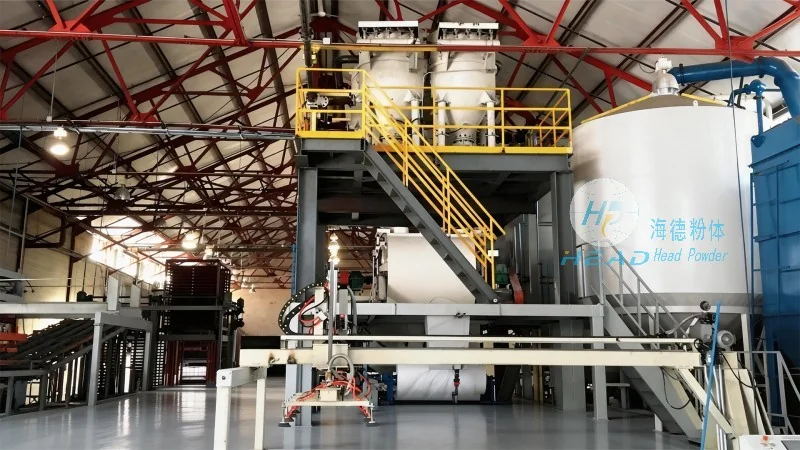
Introduction to Wet Sodium Nitrate Gas-Pneumatic Conveyors
Wet sodium nitrate, a common chemical compound used in fertilizers and other industrial applications, often requires specialized handling due to its moisture content and potential for dust generation. A gas-pneumatic conveyor offers an effective solution by utilizing air pressure to transport the material from one location to another. This method is particularly advantageous for wet or sticky materials that may be difficult to handle with traditional mechanical conveyors.
Working Principle of the Gas-Pneumatic Conveyor
The core mechanism of a gas-pneumatic conveyor for wet sodium nitrate involves the use of compressed air to create a flow of material through a pipeline. The system typically consists of a hopper where the wet sodium nitrate is loaded, a blower or compressor that generates the air pressure, and a pipeline network that transports the material to the discharge point. As air is introduced into the hopper, it creates a low-pressure zone that draws the material into the pipeline. The air then propels the material forward, maintaining a consistent flow rate. The design ensures that the material is transported without direct contact with mechanical parts, reducing the risk of material degradation or equipment wear.
Key Features and Advantages
Several key features distinguish a gas-pneumatic conveyor for wet sodium nitrate, making it a preferred choice in industrial applications:
1. Efficient Material Handling: The system can handle large volumes of wet sodium nitrate with minimal downtime, ensuring smooth production processes. The air pressure system allows for consistent flow rates, even with varying material moisture levels.
2. Low Maintenance Requirements: Unlike mechanical conveyors that involve moving parts such as belts or chains, gas-pneumatic conveyors have fewer components that require regular maintenance. This reduces operational costs and increases the system's longevity.
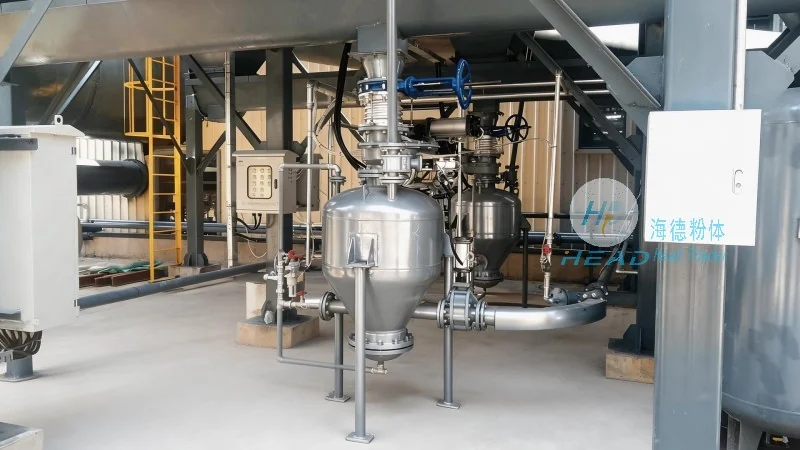
3. Reduced Material Contamination: By avoiding direct contact with mechanical parts, the conveyor minimizes the risk of cross-contamination or material contamination from equipment wear. This is particularly important for materials used in food or pharmaceutical industries.
4. Flexibility in Layout: The pipeline design allows for flexible installation, enabling the conveyor to be configured to fit various plant layouts. This adaptability is beneficial for facilities with limited space or complex material transport needs.
5. Energy Efficiency: Modern gas-pneumatic conveyors are designed to be energy-efficient, utilizing compressed air only when necessary. This reduces operational costs and aligns with sustainability goals in industrial operations.
Operational Considerations and Safety
When operating a gas-pneumatic conveyor for wet sodium nitrate, several considerations are essential to ensure safe and efficient performance:
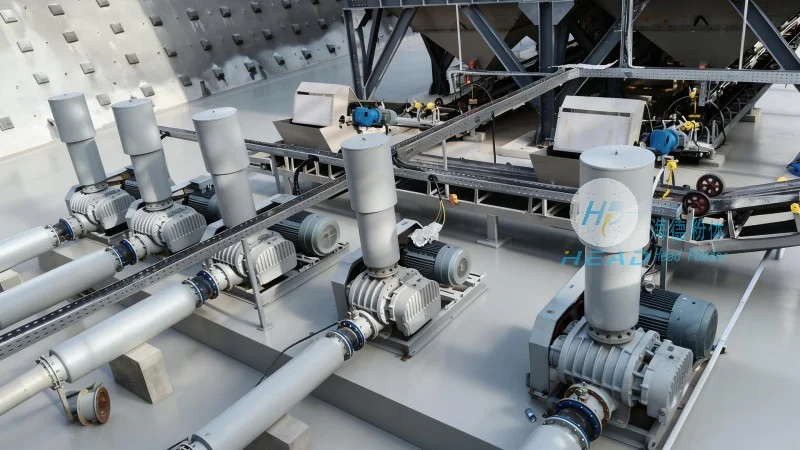
1. Air Pressure Regulation: Proper regulation of air pressure is critical to maintain consistent material flow and prevent system overloading. The system should be equipped with pressure sensors and control valves to monitor and adjust air pressure as needed.
2. Material Moisture Control: The moisture content of wet sodium nitrate can affect the conveyor's performance. Regular monitoring and adjustment of moisture levels help maintain optimal flow rates and prevent blockages.
3. System Cleaning and Maintenance: Regular cleaning of the pipeline and hopper is necessary to prevent material buildup and ensure smooth operation. The system should be designed with easy access points for maintenance and cleaning.
4. Safety Protocols: Due to the potential for dust or fumes from wet sodium nitrate, proper ventilation and safety measures are essential. The system should be equipped with dust collection and explosion-proof features to ensure operator safety.
About Shandong HeadPowder Engineering Co., Ltd.
Shandong HeadPowder Engineering Co., Ltd., a leading manufacturer of industrial conveying equipment, specializes in designing and producing high-quality gas-pneumatic conveyors for various chemical applications. With years of experience in the industry, the company has developed advanced technologies to meet the specific needs of clients handling wet sodium nitrate and other challenging materials. HeadPowder's commitment to quality, efficiency, and safety has made it a trusted partner for businesses seeking reliable material handling solutions. The company's facilities are located in Shandong, China, where it continues to innovate and improve its products to serve the global market.