

Working Principle and Features of Magnesia Powder Pneumatic Conveying Equipment
For industrial applications involving the handling of magnesia powder, the selection of an efficient and reliable conveying system is crucial. The magnesia powder pneumatic conveying equipment, developed by Shandong HeadPowder Engineering Co., Ltd., offers a sophisticated solution that addresses the unique challenges associated with transporting this material. This article explores the working principle and key features of this equipment, providing insights into its operational efficiency and practical advantages.
Understanding the Working Principle of Magnesia Powder Pneumatic Conveying Equipment
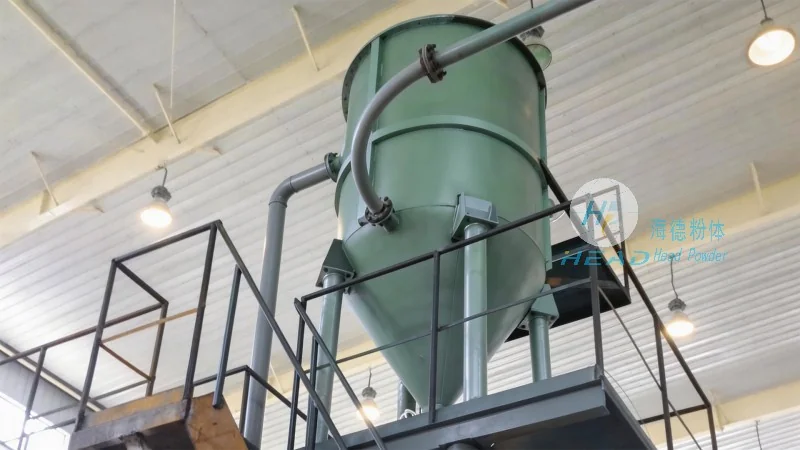
The magnesia powder pneumatic conveying system operates on the principle of air flow to transport bulk materials through a pipeline. At its core, the equipment uses a combination of positive and negative pressure to move the powder from the source to the destination. The process typically involves several key components, including a hopper for material storage, a blower or air compressor to generate the necessary airflow, and a pipeline network that connects the source and discharge points. The hopper is equipped with a feeding mechanism, such as a rotary valve or screw feeder, which controls the flow of magnesia powder into the system. As the powder enters the pipeline, the high-velocity air stream creates a suspension, allowing the material to be carried through the system with minimal friction and loss. The discharge point is designed to separate the powder from the air, often using a cyclone separator or a filter, ensuring that the material is deposited accurately at the desired location.
Key Features of Magnesia Powder Pneumatic Conveying Equipment
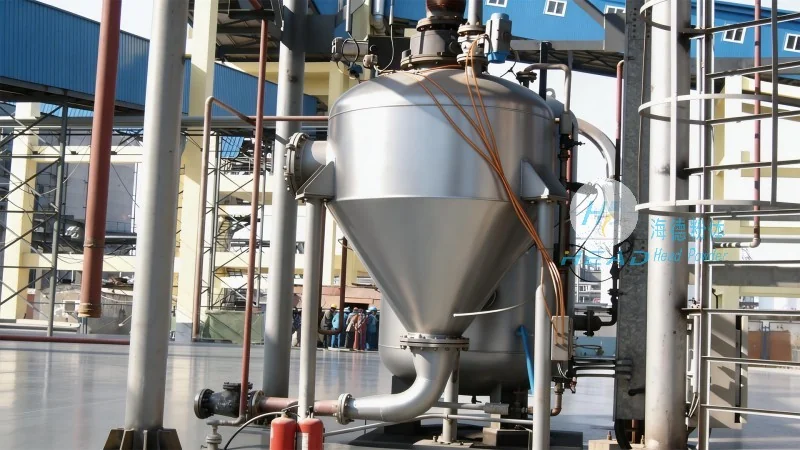
Shandong HeadPowder Engineering Co., Ltd. has designed the magnesia powder pneumatic conveying equipment with several distinctive features that enhance its performance and usability. One of the primary advantages is its ability to handle fine and abrasive materials like magnesia powder without causing excessive wear or blockages. The system incorporates robust materials of construction, such as stainless steel or corrosion-resistant alloys, to withstand the abrasive nature of the powder and the corrosive effects of moisture. This ensures long-term durability and minimal maintenance requirements. Additionally, the equipment is equipped with advanced control systems that allow for precise regulation of airflow and material flow rates. Operators can adjust the conveying speed and pressure to optimize the process, ensuring consistent material delivery and preventing overloading or underloading of the system. The design also includes features for dust suppression and environmental compliance, reducing the risk of airborne dust and improving workplace safety. Another notable feature is the modular construction, which allows for easy installation and expansion. The system can be customized to accommodate varying production volumes and operational requirements, making it suitable for both small-scale and large-scale industrial applications. The company’s expertise in engineering ensures that the equipment is tailored to meet the specific needs of each client, providing a reliable and efficient solution for magnesia powder handling.
Benefits of Using Magnesia Powder Pneumatic Conveying Equipment
Implementing magnesia powder pneumatic conveying equipment offers numerous benefits for industrial operations. The most significant advantage is the reduction in labor costs associated with manual handling of bulk materials. By automating the conveying process, the system minimizes the need for manual labor, reducing the risk of accidents and improving overall workplace safety. The equipment also enhances operational efficiency by providing consistent and reliable material flow, which is critical for maintaining production schedules and meeting quality standards. The ability to transport magnesia powder over long distances without the need for intermediate storage or handling points further improves the overall workflow. Additionally, the system reduces material loss and contamination, as the enclosed pipeline design prevents dust and moisture from entering or exiting the system. This not only improves product quality but also reduces waste and associated costs. The equipment’s low maintenance requirements and long service life contribute to lower operational expenses over time. By investing in this technology, industrial facilities can achieve higher productivity, better product quality, and improved environmental performance.
Conclusion
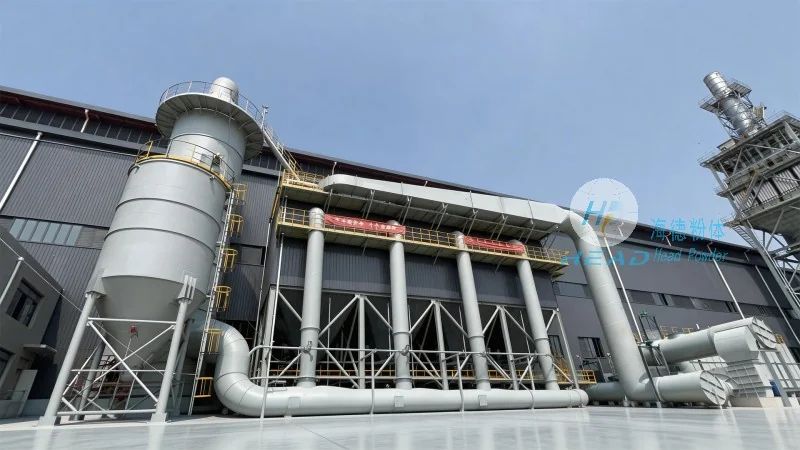
Shandong HeadPowder Engineering Co., Ltd. has developed a highly effective magnesia powder pneumatic conveying equipment that combines advanced technology with practical design. The working principle, which relies on air flow to transport the material, ensures efficient and reliable operation. The key features, including robust construction, precise control systems, and modular design, make the equipment suitable for a wide range of industrial applications. The benefits of using this equipment, such as reduced labor costs, improved efficiency, and enhanced safety, make it a valuable investment for any facility handling magnesia powder. By choosing this equipment, industrial operations can achieve optimal performance and meet their production goals while maintaining high standards of quality and safety.