With more than 10‑year industry experience, Shandong Headpowder delivers full‑service pneumatic‑conveying systems and blowers, undertaking nationwide turn‑key powder‑handling projects.
Coal ash, a byproduct of coal combustion in power plants, presents both environmental and resource challenges. Efficient and reliable transportation of coal ash particles is crucial for its proper utilization and disposal. Pneumatic conveying technology offers a solution by using air to transport solid particles, providing a flexible and effective method for handling coal ash. This article explores the principles, applications, and future trends of coal ash particle pneumatic conveying technology, highlighting its significance in modern industrial processes.
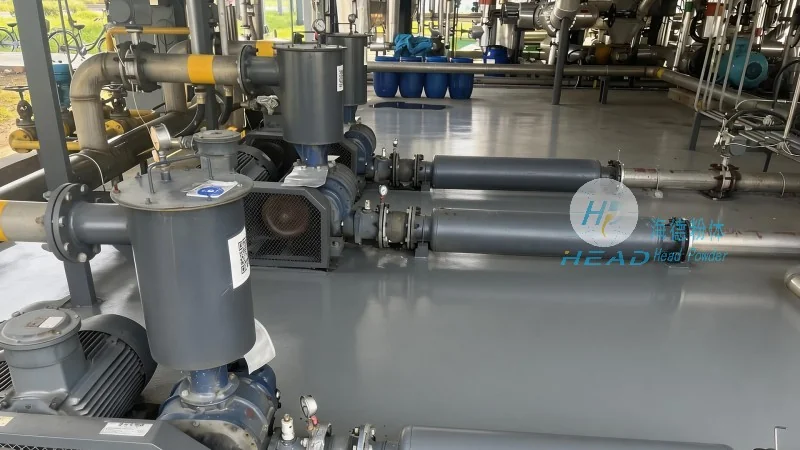
The core principle of pneumatic conveying involves transporting solid particles through a pipeline using compressed air. In the context of coal ash, this technology utilizes a system that includes a hopper, feeder, conveying line, and receiver. The process typically starts with the coal ash being fed into the hopper, where it is then introduced into the conveying line via a feeder. Compressed air is then introduced into the line, creating a flow that propels the coal ash particles forward. The velocity and pressure of the air are critical factors that determine the efficiency and stability of the conveying process. Different types of pneumatic conveying systems, such as pressure and vacuum systems, are used depending on the specific requirements of the application.
Coal ash particle pneumatic conveying technology finds extensive applications in various industries. One primary application is the transport of coal ash from power plants to disposal sites or recycling facilities. This method allows for the safe and efficient movement of large volumes of ash, reducing the need for traditional truck transport and minimizing environmental impact. Additionally, the technology is used in the production of building materials, such as cement and concrete, where coal ash is often used as a supplementary cementitious material. The ability to convey coal ash particles in a controlled manner ensures consistent quality in the final products. Another application is in the recovery of valuable components from coal ash, such as metals and minerals, which can be extracted and reused in other industrial processes. The flexibility of pneumatic conveying systems makes them suitable for both bulk and fine particle transport, catering to diverse industrial needs.
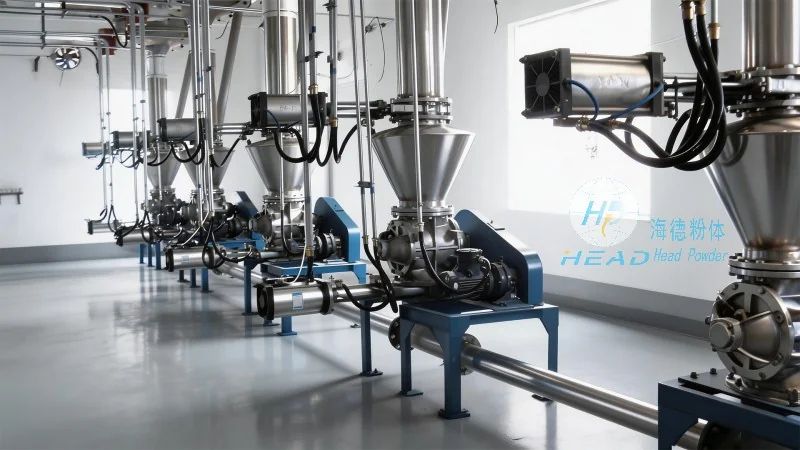
Several factors play a crucial role in the performance of coal ash particle pneumatic conveying systems. Particle size and density are significant determinants, as larger or denser particles may require higher air velocities and pressures to ensure stable transport. The moisture content of the coal ash also affects the conveying process, as excessive moisture can lead to clogging or reduced efficiency. The design of the conveying line, including pipe diameter, length, and bends, is another critical factor. Properly sized and configured lines minimize pressure losses and ensure smooth particle flow. The choice of air compressor and its capacity is also essential, as it must provide sufficient air pressure and volume to maintain the conveying velocity. Regular maintenance and monitoring of the system are necessary to prevent issues such as blockages or wear and tear, which can impact the overall performance and reliability of the process.
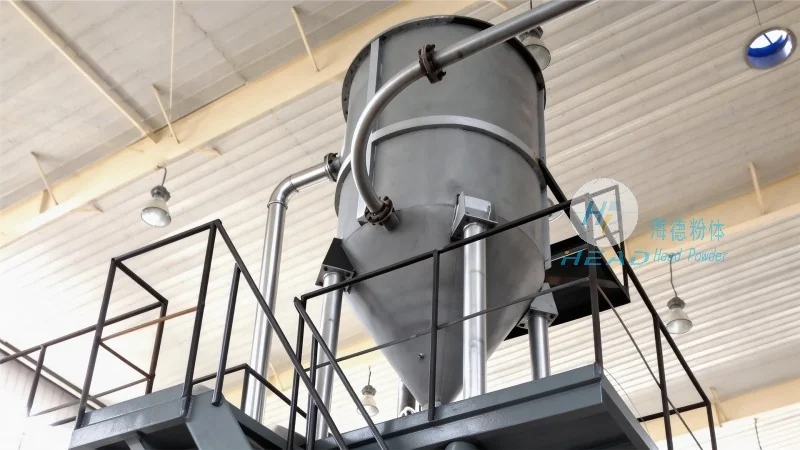
Pneumatic conveying technology offers several advantages over traditional methods for handling coal ash. One of the primary benefits is the ability to transport materials in a closed system, which reduces dust emissions and environmental contamination. This is particularly important for coal ash, which can be a source of air pollution if not handled properly. Additionally, pneumatic conveying systems are flexible and can be easily integrated into existing industrial facilities, allowing for modifications and expansions as needed. The technology also enables the transport of coal ash over long distances without the need for intermediate storage or handling, improving operational efficiency. Furthermore, the system can handle a wide range of particle sizes and compositions, making it suitable for various types of coal ash from different power plants. The use of pneumatic conveying reduces labor costs and improves safety by minimizing manual handling of heavy or dusty materials. Overall, these advantages make pneumatic conveying a preferred method for coal ash transportation in many industrial settings.
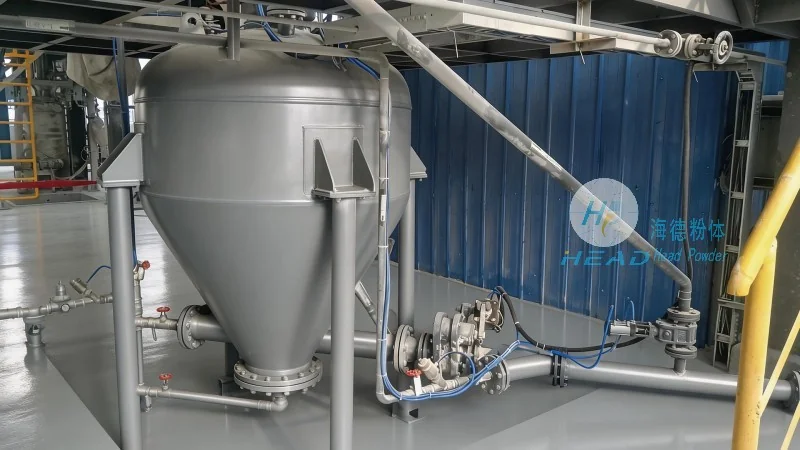
Despite its benefits, coal ash particle pneumatic conveying faces several challenges that need to be addressed. One common issue is the potential for particle segregation and agglomeration, which can lead to uneven flow and blockages in the conveying line. To mitigate this, anti-segregation and anti-agglomeration measures, such as using vibration or agitation devices, are employed. Another challenge is the wear and tear of the conveying components, particularly the pipes and valves, due to the abrasive nature of coal ash particles. Using high-quality materials, such as stainless steel or special alloys, can help extend the lifespan of the system. Additionally, the energy consumption of pneumatic conveying systems can be high, especially for long-distance transport. Implementing energy-efficient air compressors and optimizing the system design can help reduce operational costs. The risk of dust explosions is another concern, as coal ash can be a combustible material under certain conditions. Proper explosion-proof designs and safety measures, such as spark detection and suppression systems, are essential to ensure safe operation. By addressing these challenges with appropriate solutions, the efficiency and reliability of coal ash pneumatic conveying systems can be significantly improved.
The field of coal ash particle pneumatic conveying is continuously evolving, with several trends and innovations emerging to enhance its performance and sustainability. One trend is the development of more energy-efficient and eco-friendly systems. Advanced air compressors, such as variable frequency drives, and the use of renewable energy sources to power the system are being explored to reduce the carbon footprint of coal ash handling. Another trend is the integration of automation and control systems, which allow for real-time monitoring and adjustment of the conveying process. This improves operational efficiency and reduces the need for manual intervention. The use of smart sensors and data analytics is also becoming more prevalent, enabling predictive maintenance and early detection of potential issues. This helps in preventing system failures and reducing downtime. Additionally, research is being conducted on the use of new materials and coatings for the conveying components to improve their durability and resistance to wear and corrosion. The development of hybrid systems that combine pneumatic conveying with other transport methods, such as conveyor belts or trucks, is another area of innovation. These hybrid systems can offer the benefits of both methods, providing flexibility and efficiency in coal ash handling. Overall, these trends and innovations are expected to further improve the performance, reliability, and sustainability of coal ash particle pneumatic conveying technology, making it a more attractive option for industrial applications.

 Shandong Headpowder Engineering Co., Ltd.
 156-6277-7102(Manager Zhang)
  0531-83386006
  Zhangqiu District, Jinan City, Shandong Province, China
telephone
WeChatconsult
top