With more than 10‑year industry experience, Shandong Headpowder delivers full‑service pneumatic‑conveying systems and blowers, undertaking nationwide turn‑key powder‑handling projects.
A PTFE (Polytetrafluoroethylene) material conveying line is a specialized system engineered to transport PTFE-based materials, such as powders, granules, or other PTFE products, with precision and efficiency. These lines are critical in industries where PTFE materials are processed, as they ensure the safe and reliable movement of these materials from one stage of production to another. The design of such lines is tailored to the unique properties of PTFE, including its chemical resistance, thermal stability, and non-stick characteristics.
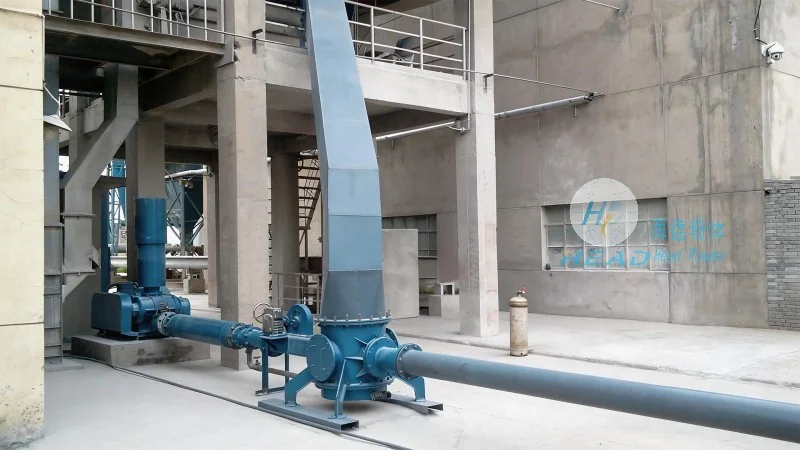
The core components of a PTFE material conveying line typically include feeders, conveyors, control systems, and accessories. Feeders are responsible for accurately metering the PTFE material, ensuring a consistent flow rate. Common types of feeders used in PTFE applications include screw feeders, vibratory feeders, and rotary valves, which are chosen based on the material's bulk density and flow characteristics. Conveyors, such as pneumatic or mechanical systems, transport the PTFE material through the line. Pneumatic conveying systems use air pressure to move the material, while mechanical conveyors rely on belts, chains, or screws. The choice of conveyor type depends on factors like the material's particle size, moisture content, and the required conveying distance. Control systems, including sensors and programmable logic controllers (PLCs), monitor and regulate the conveying process, ensuring optimal performance and preventing issues like blockages or overfilling. Accessories, such as hoppers, chutes, and filters, are integrated to manage material flow and maintain system cleanliness.
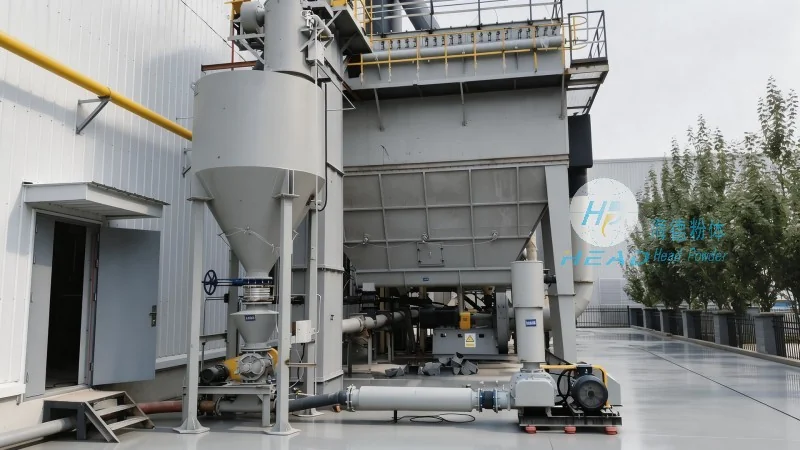
The design of a PTFE material conveying line follows several key principles to ensure effectiveness and durability. First, material compatibility is paramount. All components, including the conveyor parts, hoppers, and piping, must be made from materials that are resistant to PTFE's chemical properties and thermal conditions. For instance, stainless steel or PTFE-coated parts are commonly used to prevent corrosion and ensure smooth material movement. Second, the system must be designed to handle the unique flow characteristics of PTFE materials. PTFE powders and granules can be cohesive or have poor flowability, which may lead to bridging or rat-holing in hoppers. To address this, the design incorporates features like hopper liners with anti-stick coatings, agitators, or vibrators to improve material flow. Third, the system is engineered for minimal contamination and easy maintenance. PTFE materials are often used in high-purity applications, so the conveying line must be constructed to prevent cross-contamination and allow for quick cleaning. This includes using sealed components and easy-to-access maintenance points. Fourth, energy efficiency is considered in the design. The system is optimized to use the least amount of energy while maintaining the required conveying capacity, which helps reduce operational costs. Finally, safety is a critical design consideration. The system includes safety features such as emergency shut-off valves, pressure relief devices, and monitoring systems to prevent accidents and ensure the well-being of operators.
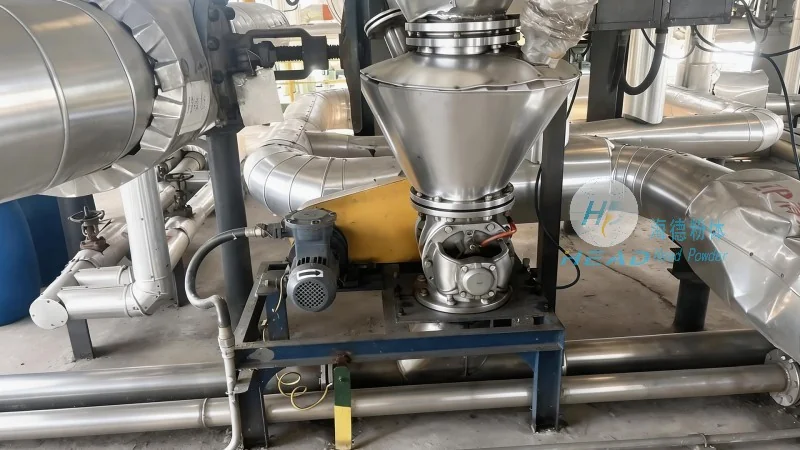
PTFE material conveying lines are widely used in various industries due to the versatility of PTFE materials. In the chemical industry, these lines are used to transport PTFE powders and granules used in the production of coatings, adhesives, and other chemical products. The chemical resistance of PTFE ensures that the materials are not contaminated during transport. In the semiconductor industry, PTFE conveying lines are employed to move PTFE-based materials used in the manufacturing of electronic components, where purity is essential. The non-stick and low-friction properties of PTFE help prevent material buildup and ensure smooth processing. In the pharmaceutical industry, PTFE conveying lines are used to transport PTFE materials used in drug delivery systems or medical devices, where hygiene and purity are critical. The system's ability to maintain a sterile environment and prevent contamination makes it suitable for pharmaceutical applications. Additionally, in the food and beverage industry, PTFE conveying lines are used to transport PTFE-based materials used in food processing equipment, where safety and non-toxicity are paramount. The system's design ensures that the materials do not come into contact with food products, maintaining compliance with food safety regulations.
There are several advantages to using PTFE material conveying lines in industrial applications. First, the chemical resistance of PTFE allows the system to handle a wide range of materials without degradation. This means that the conveying line can be used for materials that are corrosive or reactive, which would damage other types of conveying systems. Second, the thermal stability of PTFE enables the system to operate in high-temperature environments. PTFE can withstand temperatures up to 260°C (500°F), making it suitable for applications where the materials are heated during processing. Third, the non-stick properties of PTFE reduce material buildup and friction, which minimizes maintenance and extends the life of the system. This leads to lower operational costs and increased productivity. Fourth, the system's design allows for easy cleaning and maintenance. The components are constructed with smooth surfaces and easy-to-access points, making it simple to clean and inspect the system. This helps maintain the purity of the materials being transported and ensures the system operates efficiently. Fifth, the system is highly customizable. It can be designed to meet the specific requirements of different industries and applications, including varying material types, flow rates, and conveying distances. This flexibility allows companies to tailor the system to their unique needs, improving efficiency and reducing waste.
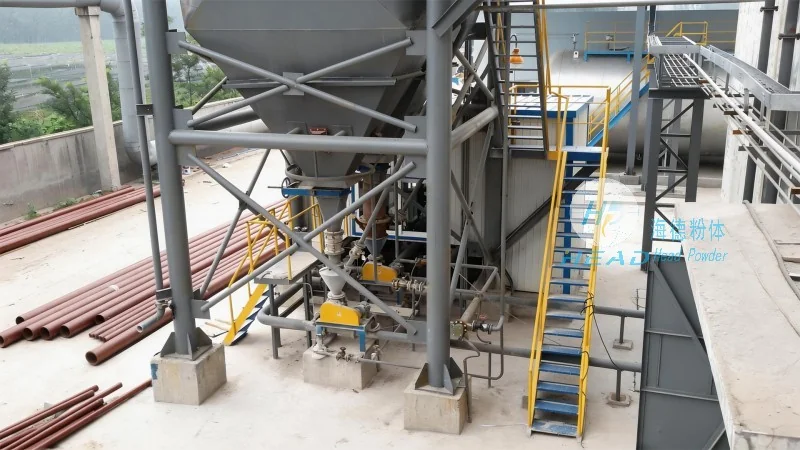
PTFE material conveying lines are essential systems in industries that rely on PTFE materials. Their design, which incorporates components that are compatible with PTFE's properties and optimized for material flow, ensures efficient and reliable transport. The advantages of using these lines, including chemical resistance, thermal stability, and easy maintenance, make them a preferred choice for many industrial applications. As the demand for PTFE materials continues to grow, the importance of well-designed PTFE material conveying lines will only increase. Companies like Shandong HeadPowder Engineering Co., Ltd., based in China, specialize in the design and manufacturing of such systems, providing customized solutions to meet the diverse needs of their clients. With their expertise and commitment to quality, these companies play a crucial role in supporting the industrial use of PTFE materials.

 Shandong Headpowder Engineering Co., Ltd.
 156-6277-7102(Manager Zhang)
  0531-83386006
  Zhangqiu District, Jinan City, Shandong Province, China
telephone
WeChatconsult
top