

What is a Desulfurization Gypsum Material Conveying Line? And What Are Its Design Principles?
Desulfurization gypsum, a byproduct of flue gas desulfurization (FGD) processes in thermal power plants and industrial facilities, is a calcium sulfate dihydrate (CaSO₄·2H₂O) material that requires specialized handling due to its unique physical properties. The design of a desulfurization gypsum material conveying line is critical for ensuring efficient, safe, and environmentally compliant transportation of this material from the FGD system to processing or storage facilities. This article delves into the core components, design principles, and operational aspects of such systems, providing a comprehensive overview for industry professionals. Shandong HeadPowder Engineering Co., Ltd., a leading provider of industrial material handling solutions, specializes in designing and manufacturing advanced desulfurization gypsum conveying lines tailored to meet the specific needs of power and industrial sectors.
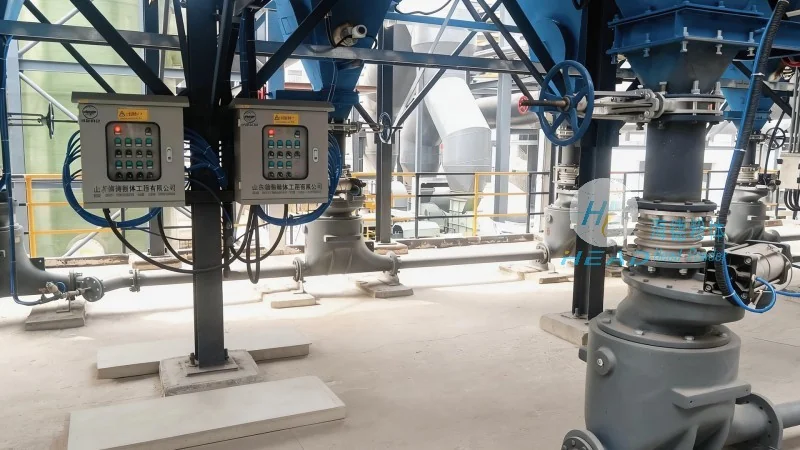
Key Components and Their Functions
A desulfurization gypsum material conveying line typically consists of several interconnected components, each tailored to address the specific challenges of handling gypsum. The primary components include: feed hoppers, which collect and store the gypsum before transport; conveyor systems, such as belt conveyors or screw conveyors, which move the material along the line; control systems, which regulate the flow and speed of the conveyor; and dust suppression systems, which mitigate airborne particulate emissions. Each component is designed to work in harmony to maintain consistent material flow and minimize operational disruptions.
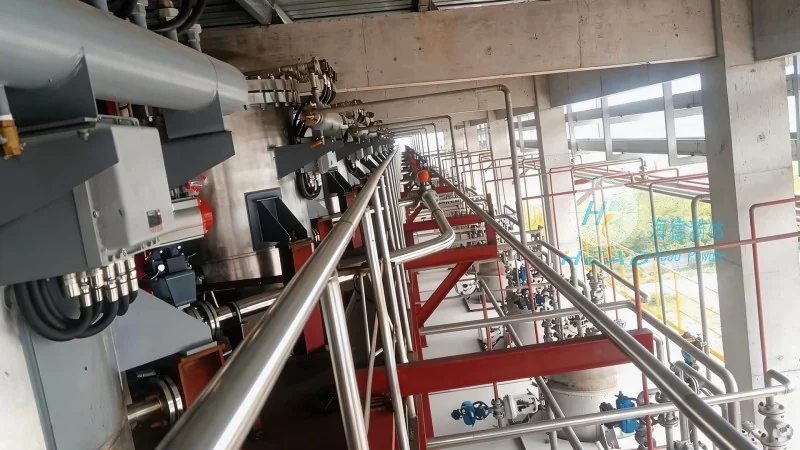
Design Principles for Optimal Performance
The design of a desulfurization gypsum conveying line is guided by several key principles aimed at maximizing efficiency, reliability, and safety. First, the selection of the conveyor type is critical and depends on the material's characteristics, such as moisture content, particle size distribution, and bulk density. For example, screw conveyors are often preferred for handling wet or sticky gypsum due to their ability to mix and transport material without the need for external power beyond the motor. In contrast, belt conveyors are more suitable for dry, free-flowing gypsum, as they can handle larger volumes with less friction. Second, the system must incorporate proper sealing and dust control measures to prevent environmental contamination and ensure worker safety. This includes using enclosed conveyor sections, air filtration systems, and wet scrubbers to capture and neutralize airborne gypsum particles. Third, the design should prioritize minimal material degradation, as gypsum is sensitive to moisture and temperature changes that can affect its quality for downstream applications.
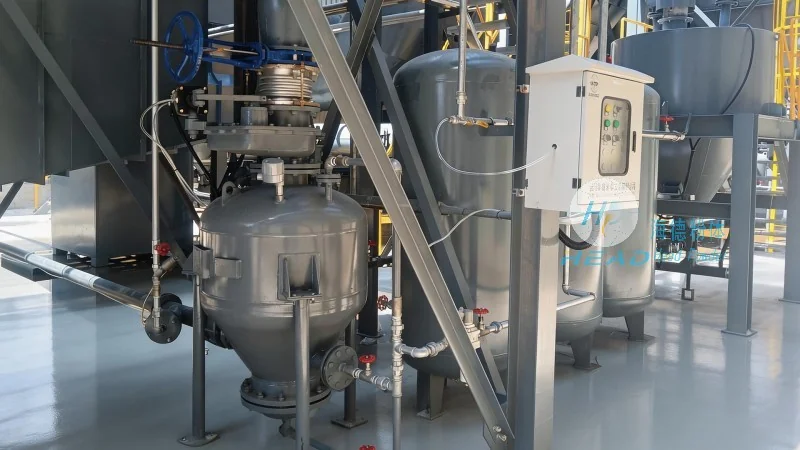
Operational Considerations and Maintenance Protocols
Effective operation of a desulfurization gypsum material conveying line requires adherence to strict maintenance protocols and operational guidelines. Regular inspections of critical components, such as bearings, belts, and seals, are essential to prevent mechanical failures and ensure consistent performance. The system should be equipped with monitoring devices, such as load cells and speed sensors, to track material flow rates and conveyor speed in real-time. This allows operators to quickly identify and address issues like blockages or belt slippage before they escalate into more significant problems. Additionally, the design should allow for easy access to maintenance points, reducing downtime and operational costs. For instance, removable panels and modular components enable quick replacement of worn parts without disrupting the entire system.
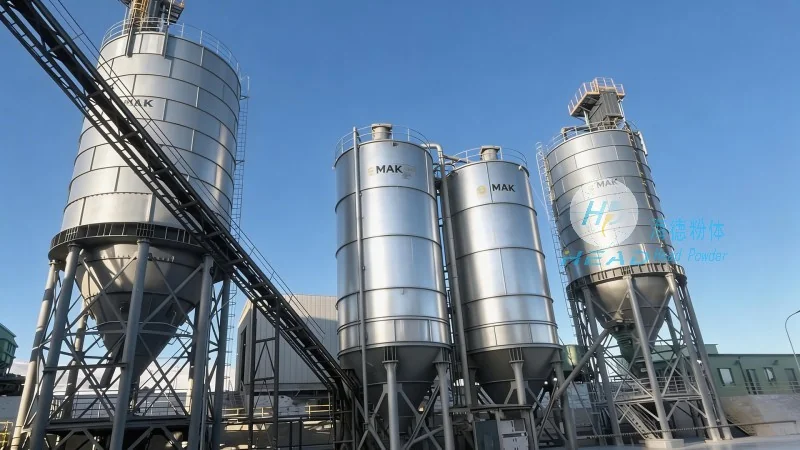
Applications and Industry Impact
Desulfurization gypsum material conveying lines are integral to the operations of power plants and industrial facilities that employ flue gas desulfurization. These systems facilitate the efficient handling of gypsum, which can then be utilized as a raw material in cement production, gypsum board manufacturing, or as a soil amendment in agriculture. By optimizing the transport of this byproduct, the industry can enhance resource utilization, reduce waste disposal costs, and improve overall sustainability. The efficient design and operation of such lines are therefore crucial for meeting environmental regulations and maintaining operational efficiency in modern industrial settings.