With more than 10‑year industry experience, Shandong Headpowder delivers full‑service pneumatic‑conveying systems and blowers, undertaking nationwide turn‑key powder‑handling projects.
Regenerated sand material conveying lines are specialized systems engineered to handle the transportation of recycled sand materials in industrial settings. These systems are critical components in processes where reclaimed sand is used for manufacturing, casting, or other applications that require consistent material flow. The design of such lines is tailored to meet the unique challenges of handling abrasive, heavy, or irregularly shaped sand particles, ensuring efficient and reliable operation.
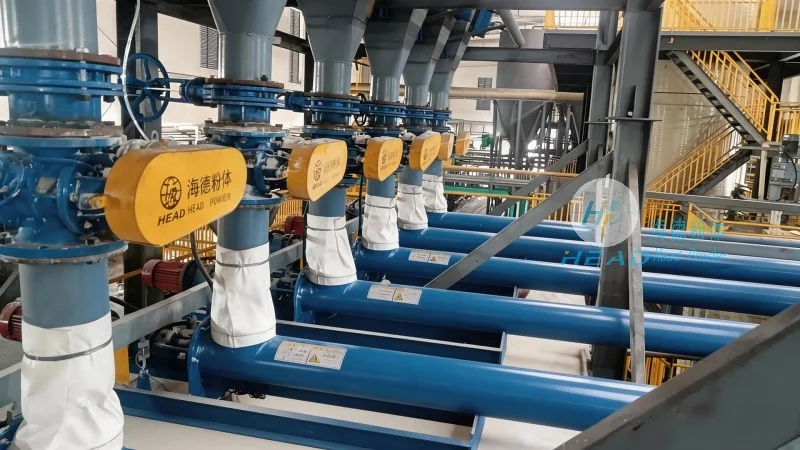
The design of a regenerated sand material conveying line is governed by several fundamental principles aimed at optimizing performance, durability, and safety. First, the system must be constructed from materials that can withstand the abrasive nature of sand, typically using high-quality steel, stainless steel, or specialized alloys to prevent wear and tear. This is crucial for maintaining the integrity of the equipment over long operational periods. Second, the conveyor design must incorporate features that minimize material degradation and blockages, such as smooth surfaces, appropriate incline angles, and effective cleaning mechanisms. Third, the system is designed to handle varying loads and flow rates, with adjustable speed controls and load sensors to ensure consistent material delivery. Additionally, the design emphasizes energy efficiency, using low-friction components and optimized motor configurations to reduce operational costs.
A typical regenerated sand material conveying line consists of several key components that work in tandem to achieve efficient material transport. The primary components include a feeding hopper, which collects and stores the sand material, a conveyor belt or screw mechanism that moves the sand along the line, and a discharge hopper or outlet that delivers the material to the next stage of processing. The feeding hopper is often equipped with a vibration or agitator system to ensure uniform material flow and prevent clogging. The conveyor mechanism, whether a belt conveyor or a screw conveyor, is designed to handle the specific characteristics of regenerated sand, such as its density, moisture content, and particle size distribution. For example, a belt conveyor may use a heavy-duty rubber belt with a textured surface to provide traction and prevent sand slippage, while a screw conveyor uses a helical screw to push the material forward.
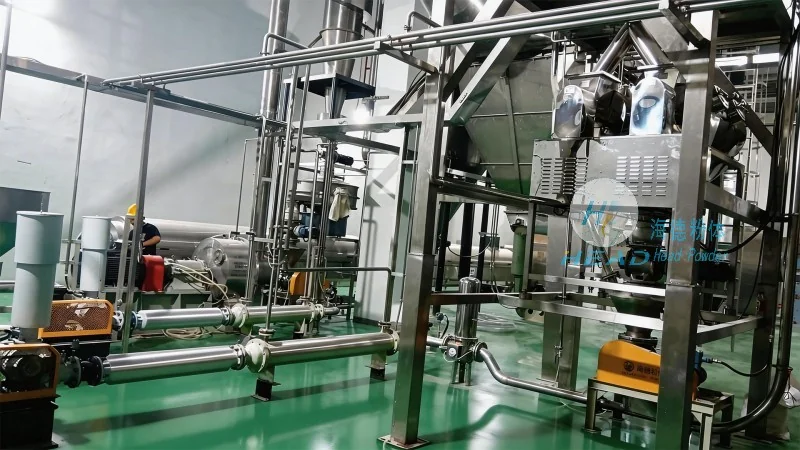
Regenerated sand material conveying lines are widely used in various industrial sectors, including foundries, casting plants, and recycling facilities. In foundries, these systems are essential for transporting reclaimed sand from storage bins to molding machines, ensuring a continuous supply of material for the casting process. The design of the conveying line in such applications must account for the high temperatures and abrasive conditions present in foundry environments, with components that can withstand thermal stress and chemical exposure. In recycling facilities, the conveying lines are used to move sand from sorting and cleaning stages to storage or further processing, helping to maintain the quality and consistency of the recycled material. The flexibility of these systems allows them to adapt to different production volumes and material types, making them suitable for both small-scale and large-scale operations.
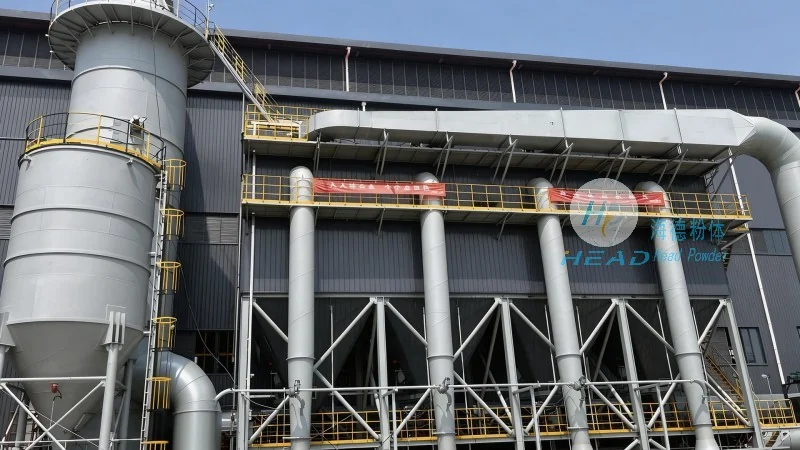
Implementing a regenerated sand material conveying line offers several advantages for industrial operations. First, it improves material handling efficiency by providing a continuous and reliable flow of sand, reducing downtime caused by material shortages or blockages. Second, the system enhances safety by minimizing manual handling of heavy or abrasive sand, reducing the risk of workplace injuries. Third, the design of the conveying line helps to maintain the quality of the sand by preventing contamination or degradation during transport. Additionally, the energy-efficient design of modern conveying systems reduces operational costs, making them a cost-effective solution for long-term use. The durability of the equipment, with proper maintenance, ensures a long service life, providing a high return on investment for industrial facilities.
Regenerated sand material conveying lines are sophisticated systems designed to optimize the transportation of recycled sand materials in industrial applications. By adhering to key design principles, such as material compatibility, efficient flow control, and durability, these systems ensure reliable and cost-effective operation. The components and functional aspects of the conveying line are tailored to handle the unique characteristics of regenerated sand, while the system's flexibility allows it to adapt to various industry needs. For companies seeking to enhance their material handling processes, investing in a well-designed regenerated sand conveying line can lead to improved efficiency, safety, and overall operational performance. Shandong HeadPowder Engineering Co., Ltd., a leading provider of industrial conveying solutions, specializes in designing and manufacturing high-quality regenerated sand material conveying lines that meet the specific requirements of industrial clients. With a focus on durability, efficiency, and customer satisfaction, HeadPowder Engineering offers tailored solutions that help businesses optimize their sand handling processes and achieve long-term operational success. The company's facilities are located in Shandong, China, where it leverages advanced technology and expertise to deliver reliable and effective conveying systems for the recycling and manufacturing industries.

 Shandong Headpowder Engineering Co., Ltd.
 156-6277-7102(Manager Zhang)
  0531-83386006
  Zhangqiu District, Jinan City, Shandong Province, China
telephone
WeChatconsult
top