

What is a Corn Stalk Material Conveying Line? And What Are Its Design Principles?
For agricultural operations dealing with corn stalks, efficient material handling is crucial. A corn stalk material conveying line is a specialized system designed to transport and process corn stalks from the field to processing facilities. This equipment plays a vital role in streamlining the workflow, reducing manual labor, and enhancing overall productivity in agricultural processing. The system typically integrates various components such as feeders, conveyors, and processing units to handle the bulk material effectively.
Components and Functionality of the Conveying Line
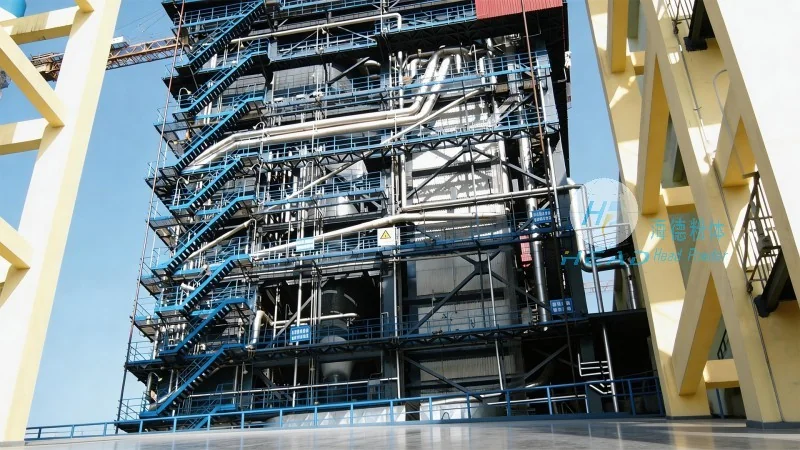
The core components of a corn stalk material conveying line include feed mechanisms, conveyor systems, and sometimes processing modules. The feed mechanism is responsible for gathering and feeding the corn stalks into the system. This may involve a series of rollers or a hopper that collects the stalks from the field or storage area. The conveyor system then transports the material through the line, using technologies like belt conveyors or screw conveyors to move the stalks efficiently. In some designs, the conveyor may be equipped with adjustable speed controls to accommodate varying material volumes and processing needs. Additionally, the system may include cleaning or sorting components to ensure the material is free from debris before further processing.
Design Principles Behind the Conveying Line
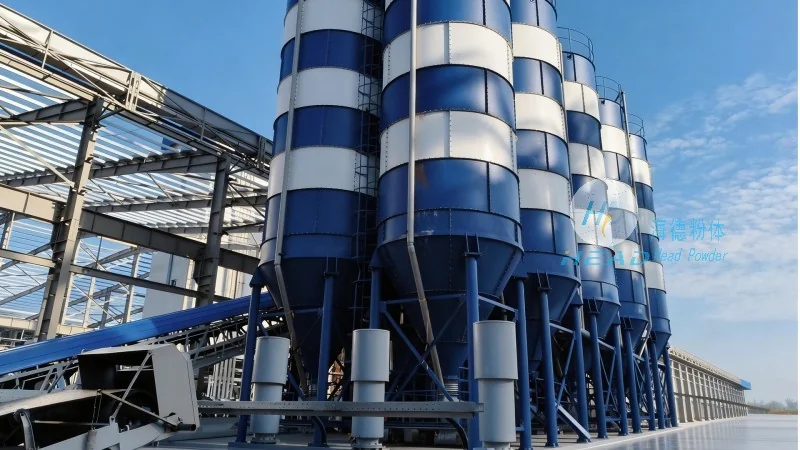
The design of a corn stalk material conveying line is based on several key principles to ensure optimal performance and durability. One primary principle is the need for robust construction to withstand the rigors of agricultural environments. The equipment must be able to handle the weight and volume of corn stalks, which can be dense and abrasive. Materials used in the construction, such as high-strength steel and corrosion-resistant components, are essential to ensure longevity and reliability. Another critical design principle is the focus on efficiency and energy conservation. The system is engineered to minimize energy consumption while maximizing throughput. This is achieved through optimized conveyor speeds, efficient drive systems, and streamlined material flow paths. The design also considers the need for easy maintenance and accessibility, with components that can be easily removed or serviced without disrupting the entire operation.

Applications and Benefits in Agricultural Processing
Corn stalk material conveying lines are widely used in various agricultural processing applications. They are commonly employed in biomass processing facilities where corn stalks are converted into biofuels, animal feed, or other value-added products. The system helps in transporting the raw material from the field to the processing plant, where it is further broken down or processed. The benefits of using such a line include improved operational efficiency, reduced labor costs, and enhanced safety by minimizing manual handling of heavy and potentially hazardous materials. Additionally, the consistent material flow provided by the conveying line ensures that processing equipment operates at optimal levels, reducing downtime and increasing overall productivity.
Customization and Adaptability of the System
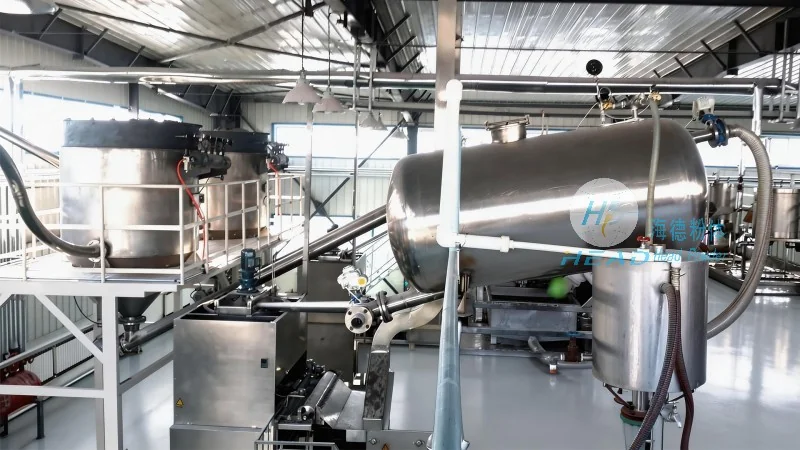
HeadPowder, a leading manufacturer in this field, offers customized corn stalk material conveying lines tailored to specific customer needs. The company, based in Shandong, China, understands the diverse requirements of agricultural operations and designs systems that can be adapted to different field conditions and processing capacities. Customization options may include varying conveyor lengths, different feed mechanisms, and integration with existing processing equipment. The adaptability of the system allows it to be integrated into existing agricultural setups or used as a standalone solution. This flexibility ensures that the conveying line can meet the unique demands of each operation, whether it is a small-scale farm or a large industrial processing facility.