With more than 10‑year industry experience, Shandong Headpowder delivers full‑service pneumatic‑conveying systems and blowers, undertaking nationwide turn‑key powder‑handling projects.
When it comes to handling sodium hydroxide in flake form, efficient material conveying is crucial for industrial operations. A specialized system known as a sodium hydroxide (flake) material conveying line is designed to manage the transportation of this caustic material from storage to processing units. Such systems are typically engineered by companies like Shandong HeadPowder Engineering Co., Ltd., based in China, to meet the specific needs of various industrial applications.
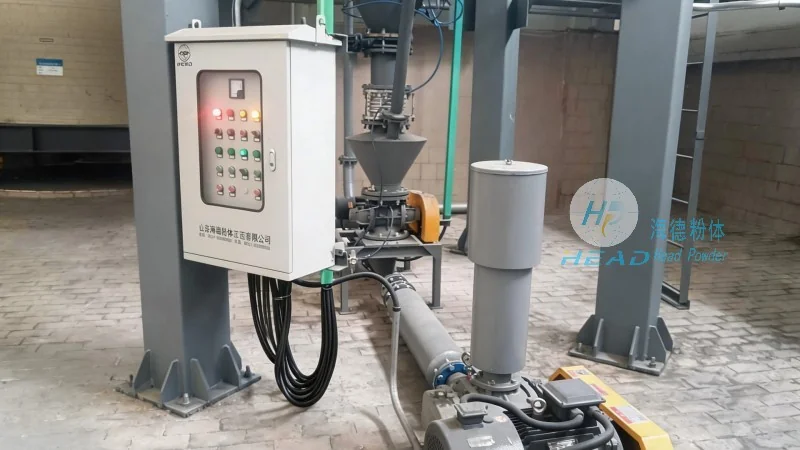
The sodium hydroxide (flake) material conveying line is a critical component in facilities that produce or process flake sodium hydroxide. It serves as a bridge between storage silos or hoppers and downstream equipment such as reactors, mixers, or packaging systems. The primary goal of this system is to move the flake material in a controlled manner, minimizing dust generation, ensuring product integrity, and maintaining operational safety. The line typically incorporates various components like feeders, conveyors, and control mechanisms to achieve these objectives.
The design of a sodium hydroxide (flake) material conveying line is guided by several key principles aimed at optimizing performance, safety, and durability. First, the system must be constructed from materials that are resistant to corrosion and chemical attack, as sodium hydroxide is highly caustic and can degrade many common metals. Common materials include stainless steel, special alloys, and certain plastics that are compatible with the chemical environment. Second, the design prioritizes minimizing friction and wear to reduce maintenance and extend the service life of the components. This involves using smooth surfaces, appropriate belt materials, and well-lubricated bearings. Third, the conveying line is engineered to handle the bulk density and flow characteristics of flake sodium hydroxide. The material's tendency to stick or agglomerate is addressed through features like vibrators, air knives, or special belt designs that promote uniform movement. Fourth, safety is a paramount consideration. The system includes features such as explosion-proof motors, dust collection systems, and emergency stop mechanisms to prevent accidents and protect personnel. Additionally, the design ensures that the material is contained within the system to avoid environmental contamination and to comply with regulatory standards.
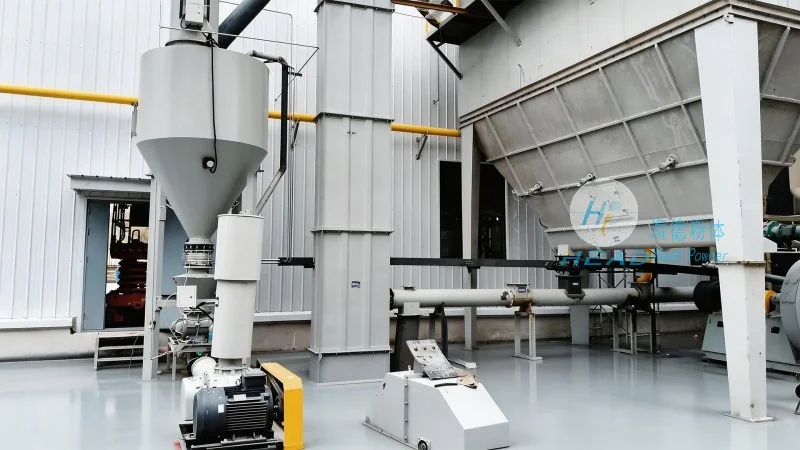
The sodium hydroxide (flake) material conveying line consists of several interconnected components that work together to transport the material. The process typically begins with a storage hopper or silo where the flake sodium hydroxide is stored. From there, a feeder, such as a rotary valve or a screw feeder, regulates the flow of material into the conveyor system. The conveyor itself, which can be a belt conveyor, screw conveyor, or pneumatic conveyor depending on the application, transports the material to the next stage. In some designs, a transfer point or a surge bin may be included to buffer the flow and prevent overloading downstream equipment. The material is then delivered to the processing unit, where it is used in various industrial applications such as chemical synthesis, water treatment, or as a cleaning agent. Throughout the process, sensors and control systems monitor the flow rate, pressure, and temperature to ensure smooth operation and detect any anomalies that may require intervention.
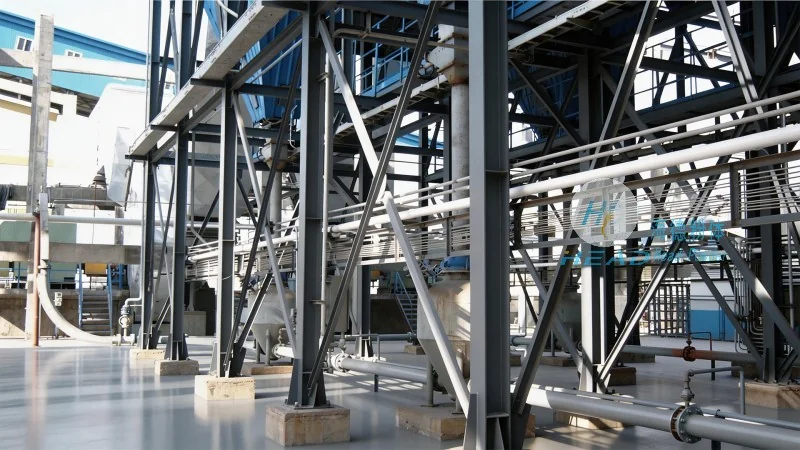
The sodium hydroxide (flake) material conveying line is widely used in industries that rely on flake sodium hydroxide as a raw material. These include the chemical manufacturing sector, where it is used in the production of soaps, detergents, and other chemical products. It is also utilized in the paper and pulp industry for bleaching processes, and in the water treatment industry for pH adjustment. The efficiency of the conveying line directly impacts the overall productivity and cost-effectiveness of these operations. By ensuring a consistent and reliable supply of flake sodium hydroxide, the system helps maintain the quality of the final products and reduces downtime due to material handling issues.
In summary, the sodium hydroxide (flake) material conveying line is a sophisticated system designed to handle the transportation of flake sodium hydroxide with precision and safety. Its design is based on principles of corrosion resistance, efficient material handling, and operational safety. By integrating specialized components and control mechanisms, the line ensures that the caustic material is moved effectively from storage to processing units. This not only enhances the efficiency of industrial operations but also contributes to the overall safety and sustainability of the processes involved. For facilities dealing with flake sodium hydroxide, investing in a well-designed conveying line is essential for maintaining productivity and compliance with industry standards.

 Shandong Headpowder Engineering Co., Ltd.
 156-6277-7102(Manager Zhang)
  0531-83386006
  Zhangqiu District, Jinan City, Shandong Province, China
telephone
WeChatconsult
top