With more than 10‑year industry experience, Shandong Headpowder delivers full‑service pneumatic‑conveying systems and blowers, undertaking nationwide turn‑key powder‑handling projects.
When designing a pneumatic conveying system for perlite, several critical factors must be considered to ensure efficiency, reliability, and cost-effectiveness. The process involves selecting the appropriate equipment, understanding material properties, and optimizing system layout. This article outlines key design considerations that professionals in the industry should evaluate when developing a solution for perlite transportation.
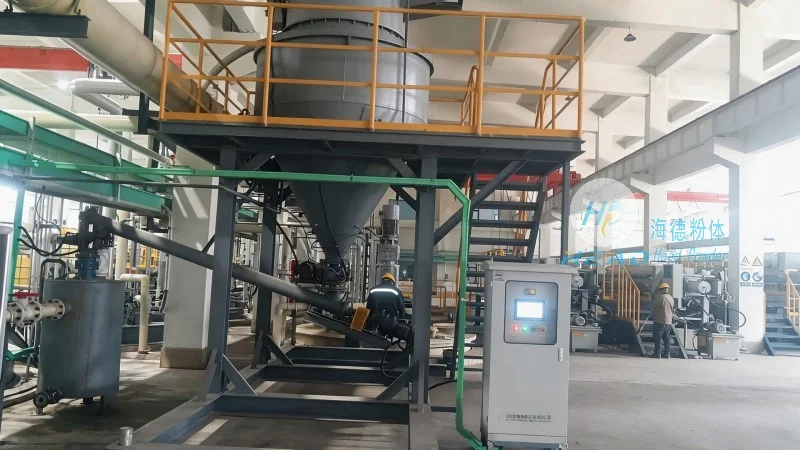
Perlite is a volcanic glass with a unique cellular structure that expands when heated, making it lightweight and porous. Its physical properties, such as particle size distribution, bulk density, and flowability, significantly impact the design of a pneumatic conveying system. For instance, finer perlite particles may require higher air velocities to prevent blockages, while larger particles might need different nozzle designs to maintain consistent flow. Engineers must conduct thorough material testing to determine these characteristics before proceeding with system design.
The layout of a pneumatic conveying system for perlite typically includes a hopper, feeder, air compressor, conveying line, and receiver. Each component plays a vital role in the overall performance. The hopper must be designed to accommodate the bulk volume of perlite and prevent material bridging, which can lead to uneven discharge. The feeder, often a rotary valve or screw feeder, regulates the material flow rate to match the air supply. The air compressor provides the necessary pressure and volume to move the material through the conveying line. The choice of conveying line material—such as stainless steel or PVC—depends on the corrosiveness of the perlite and the operating environment. Proper component selection ensures the system operates smoothly and minimizes maintenance.
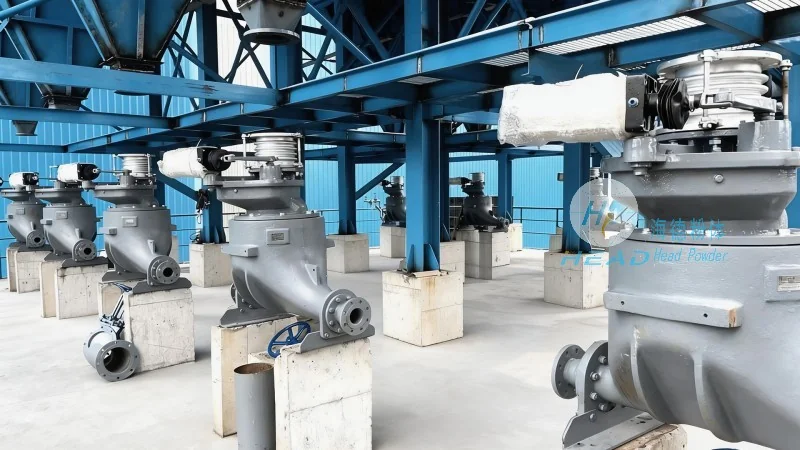
Pressure and air velocity are fundamental parameters in pneumatic conveying. For perlite, which is a low-density material, higher air velocities may be required to achieve the desired conveying rate. However, excessive air velocity can lead to increased energy consumption and potential damage to the system components. Engineers must calculate the optimal air velocity based on the material's specific gravity and particle size. Additionally, the system pressure must be sufficient to overcome friction losses in the conveying line and any elevation changes. Proper pressure control is essential to maintain consistent material flow and prevent system inefficiencies.
Blockages are a common issue in pneumatic conveying systems, especially with materials like perlite that can have irregular shapes or high moisture content. To mitigate this, engineers may incorporate pulse jets or air knives to break up agglomerates and maintain flow. Regular maintenance, such as cleaning the conveying line and replacing worn parts, is also crucial. Wear on components like the hopper, feeder, and compressor can reduce system efficiency and increase downtime. Using high-quality materials, such as wear-resistant coatings or stainless steel, can extend the system's lifespan and reduce maintenance costs.
Energy consumption is a significant factor in the operation of pneumatic conveying systems. Optimizing the system design to minimize energy use can lead to substantial cost savings over time. This includes selecting the right air compressor size, using efficient conveying lines, and maintaining proper air pressure. Additionally, implementing variable speed drives for the feeder can adjust the material flow rate to match demand, reducing unnecessary energy waste. By focusing on energy efficiency, companies can improve their bottom line while maintaining the performance of their perlite conveying system.
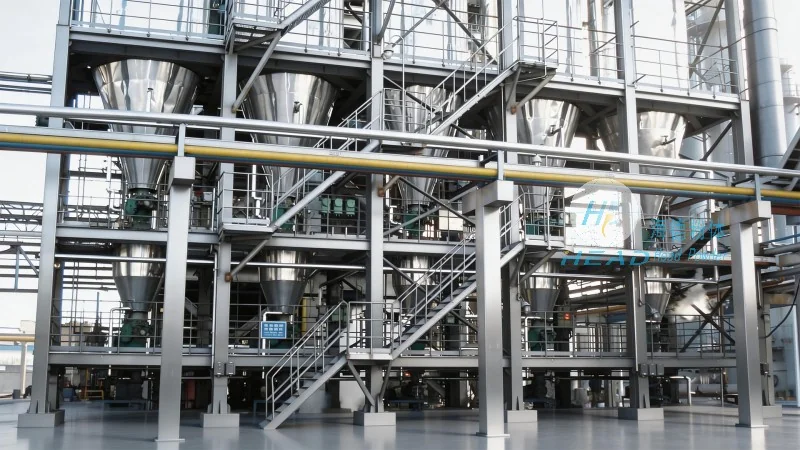
Shandong HeadPowder Engineering Co., Ltd., a leading provider of pneumatic conveying solutions, has successfully implemented perlite pneumatic conveying systems for various clients. One notable project involved a client in China who required a system to transport perlite from a storage silo to a processing facility. The company's engineers conducted a thorough analysis of the material properties and system requirements, selecting a combination of a rotary valve feeder and a high-pressure air compressor. The system was designed to handle the perlite's low bulk density and ensure consistent flow. After installation, the system achieved a conveying rate of 10 tons per hour with minimal energy consumption, demonstrating the effectiveness of the design approach. This case study highlights the importance of proper design and component selection in achieving successful perlite pneumatic conveying operations.
Designing a pneumatic conveying system for perlite requires a comprehensive understanding of material properties, system components, and operational parameters. By considering factors such as particle size, air velocity, and system layout, engineers can develop an efficient and reliable solution. Regular maintenance and monitoring are also essential to ensure long-term performance. Companies like Shandong HeadPowder Engineering Co., Ltd. offer expertise in designing and implementing such systems, helping clients achieve their material handling goals while optimizing costs and energy use. With careful planning and execution, perlite pneumatic conveying systems can provide a cost-effective and efficient method for transporting this lightweight material.

 Shandong Headpowder Engineering Co., Ltd.
 156-6277-7102(Manager Zhang)
  0531-83386006
  Zhangqiu District, Jinan City, Shandong Province, China
telephone
WeChatconsult
top