With more than 10‑year industry experience, Shandong Headpowder delivers full‑service pneumatic‑conveying systems and blowers, undertaking nationwide turn‑key powder‑handling projects.
When designing a pneumatic conveying system for powdered seasonings, several key factors must be considered to ensure efficiency, reliability, and cost-effectiveness. The process involves selecting the appropriate system type, material handling characteristics, and operational parameters tailored to the specific properties of the seasoning powders.
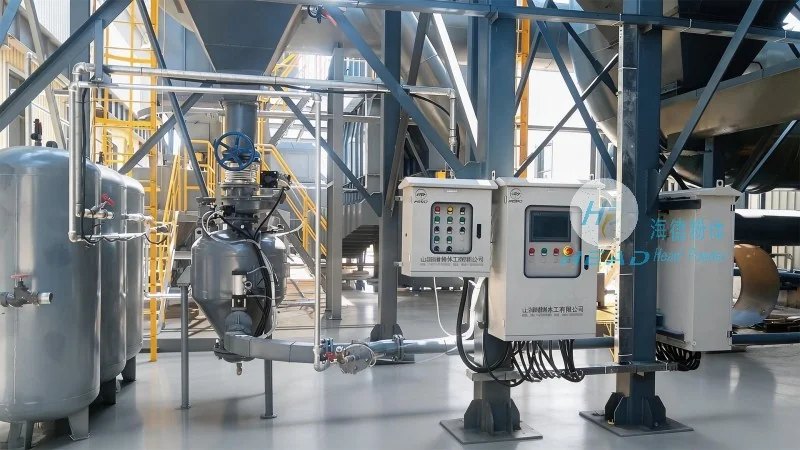
Choosing the right pneumatic conveying system is the foundation of a successful seasoning processing operation. For powdered seasonings, which often have varying particle sizes, moisture content, and flowability, the selection must address these challenges. The primary system types include positive pressure, negative pressure, and hybrid systems. Each has distinct advantages and limitations that influence the final design. For example, positive pressure systems are ideal for long-distance or high-temperature applications, while negative pressure systems are better suited for dust control and handling fine powders. The choice depends on the plant layout, production volume, and the need to maintain product integrity.
The design of the pneumatic conveying system must account for the physical properties of the powdered seasonings. Key characteristics such as particle size distribution, bulk density, and cohesive behavior directly impact the system's performance. For instance, fine powders with high moisture content may require special handling to prevent caking or blockages. The equipment selection includes components like feeders, cyclones, filters, and conveying lines. The feeders, such as rotary valves or star feeders, must provide consistent material flow to maintain system stability. Cyclones and filters are critical for separating the conveyed material from the air stream, ensuring clean air and preventing product loss. The conveying lines, typically made of stainless steel or plastic, must be designed to withstand the abrasive nature of the powders and maintain sanitary standards for food processing.
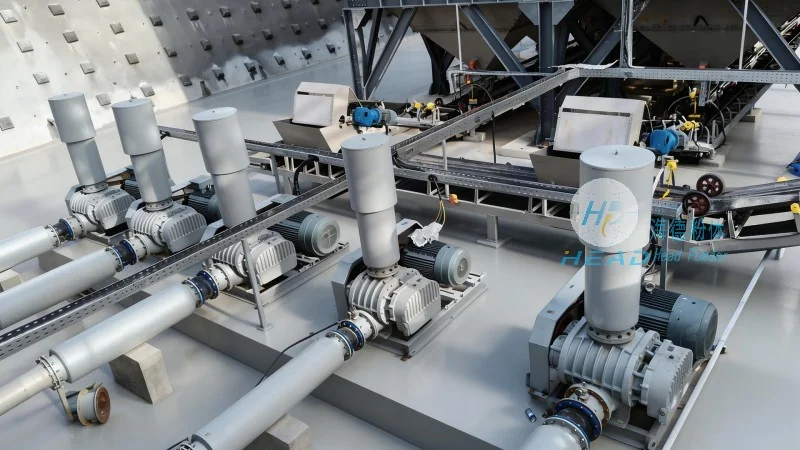
Integrating the pneumatic conveying system into the overall production line is crucial for seamless operation. The plant layout must consider the location of the feed points, discharge points, and storage areas. Proper spacing and alignment of equipment reduce the risk of material buildup and improve maintenance access. For example, positioning the feeders near the production line ensures a continuous supply of seasoning powders without interruptions. The discharge points should be strategically placed to minimize product waste and facilitate easy transfer to downstream processes like packaging or blending. Additionally, the system should be designed to accommodate future expansion or changes in production volume, ensuring scalability without major modifications.
Modern pneumatic conveying systems rely on advanced control systems to optimize performance and reduce operational costs. Automation allows for precise control of air flow, pressure, and material feed rates, ensuring consistent product quality. The control systems may include sensors for monitoring pressure, temperature, and flow rates, as well as programmable logic controllers (PLCs) that adjust parameters based on real-time data. This automation not only improves efficiency but also enhances safety by preventing overpressurization or underfeeding. For example, a PLC can automatically adjust the feeder speed when the pressure in the conveying line increases, preventing system overload. The integration of these control systems with the overall plant management system enables data collection and analysis, providing insights into system performance and potential areas for improvement.
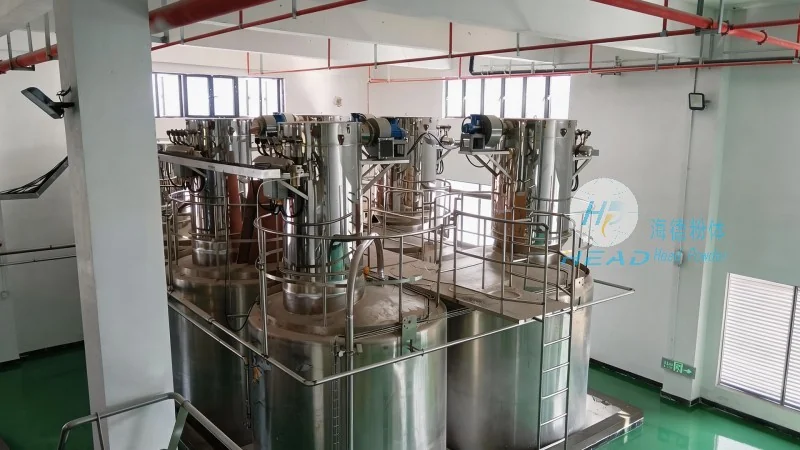
Regular maintenance is essential to ensure the long-term reliability and efficiency of the pneumatic conveying system. Routine checks of components such as feeders, cyclones, and filters help identify and address issues before they lead to system failures. For instance, cleaning the cyclone and filter regularly prevents clogging and maintains optimal separation efficiency. Lubrication of moving parts and inspection of conveying lines for signs of wear are also critical. Operational best practices include monitoring system performance metrics like pressure drop, flow rate, and material recovery rate. These metrics help detect changes in system performance that may indicate wear or contamination. By following these practices, the system can operate at peak efficiency, reducing downtime and maintenance costs.
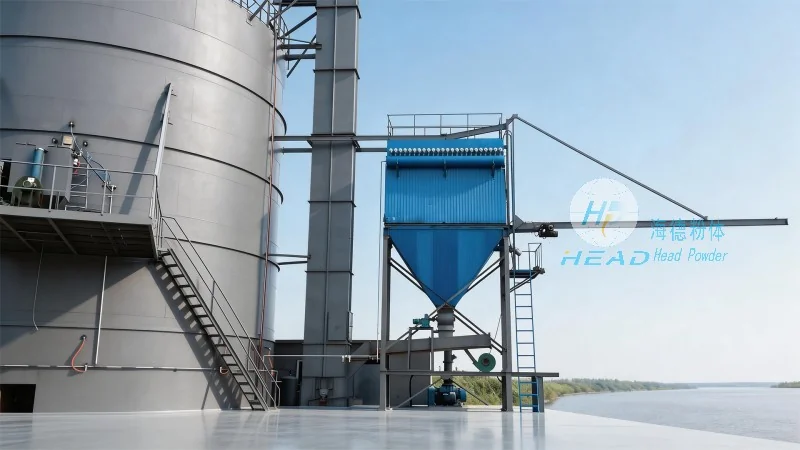
Shandong HeadPowder Engineering Co., Ltd., a leading provider of engineering solutions for the food processing industry, has successfully implemented pneumatic conveying systems for powdered seasonings in various clients' facilities. One notable project involved a large-scale seasoning manufacturer in China, where the company designed and installed a positive pressure pneumatic conveying system to transport fine spice powders over a distance of 200 meters. The system was tailored to handle the high moisture content and fine particle size of the seasonings, ensuring minimal product loss and consistent quality. The integration of the system with the existing production line improved throughput by 30% and reduced labor costs by optimizing material handling. The success of this project highlights the expertise of HeadPowder in designing customized solutions that meet the specific needs of their clients.
Designing a pneumatic conveying system for powdered seasonings requires a comprehensive approach that considers material properties, system type, and operational requirements. By focusing on key design principles, proper equipment selection, and effective integration, manufacturers can achieve efficient and reliable material handling. The use of advanced control systems and regular maintenance further enhances system performance and longevity. For businesses in the seasoning industry, partnering with experienced engineering firms like Shandong HeadPowder Engineering Co., Ltd. ensures access to tailored solutions that optimize production processes and maintain product quality. As the demand for high-quality powdered seasonings continues to grow, the importance of efficient material handling systems cannot be overstated, making the design and implementation of pneumatic conveying systems a critical investment for long-term success.

 Shandong Headpowder Engineering Co., Ltd.
 156-6277-7102(Manager Zhang)
  0531-83386006
  Zhangqiu District, Jinan City, Shandong Province, China
telephone
WeChatconsult
top