With more than 10‑year industry experience, Shandong Headpowder delivers full‑service pneumatic‑conveying systems and blowers, undertaking nationwide turn‑key powder‑handling projects.
When designing a polyurethane pneumatic conveying system, several critical factors must be considered to ensure optimal performance, efficiency, and longevity. These design considerations are crucial for industries that rely on the reliable transport of bulk materials, such as powders, granules, and other particulate substances. The following points outline key aspects that engineers and project managers should evaluate during the system planning phase.
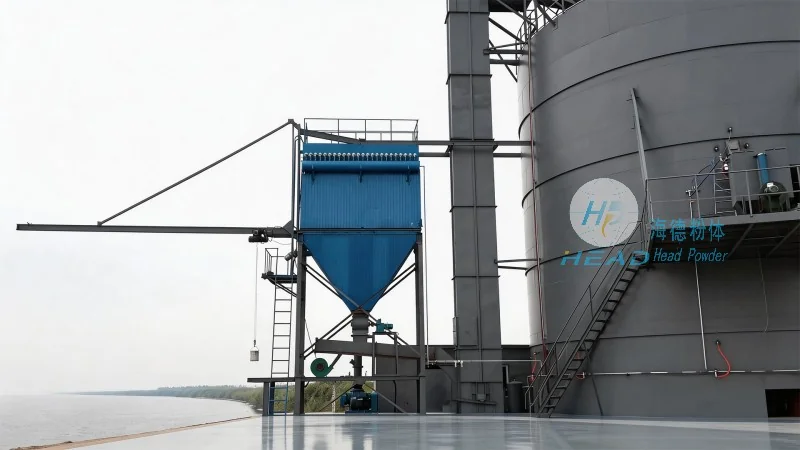
One of the most important decisions in polyurethane pneumatic conveying system design is the selection of appropriate materials for both the conveying components and the overall system infrastructure. Polyurethane, as the primary material for hoses, pipes, and other conveying elements, offers excellent resistance to abrasion, impact, and chemical corrosion. This makes it ideal for handling a wide range of materials, from fine powders to coarse granules. However, the compatibility of polyurethane with the specific material being conveyed must be verified to prevent degradation or system failure. For instance, certain chemicals or high-temperature applications may require specialized formulations of polyurethane to maintain performance. The choice of polyurethane grade directly impacts the system's durability and operational efficiency, making it a critical factor in long-term cost-effectiveness.

The layout and configuration of the pneumatic conveying system significantly influence its performance and operational costs. A well-planned system design should consider the source and destination points of material transport, the distance between them, and any obstacles or elevation changes that may affect the conveying process. Horizontal and vertical conveying segments require different design approaches, as vertical lifts often involve higher air velocities and pressure drops. Engineers must calculate the necessary air pressure, flow rates, and power requirements based on the material's bulk density, particle size distribution, and flow characteristics. The system layout should also account for maintenance access, cleaning procedures, and potential expansion needs, ensuring that the design remains scalable and adaptable to future operational demands.
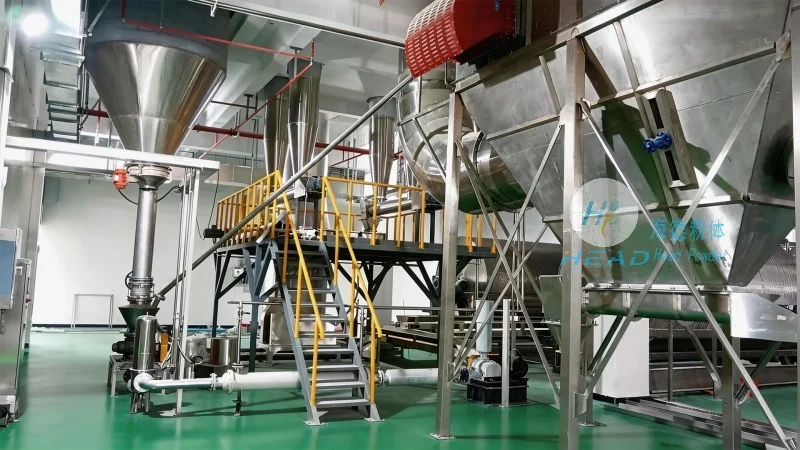
Key components such as blowers, filters, cyclones, and control valves play a vital role in the performance of a polyurethane pneumatic conveying system. The selection of these components must align with the system's design parameters and the material being handled. For example, high-pressure blowers are typically used for dense or abrasive materials, while low-pressure systems may suffice for lighter powders. Filters and cyclones are essential for maintaining air quality and preventing material buildup in the system, which can lead to operational issues or equipment damage. Proper integration of these components ensures smooth material flow and reduces the risk of blockages or system downtime. Additionally, the use of flexible polyurethane hoses allows for greater flexibility in system layout, enabling easier installation around obstacles and reducing the need for rigid pipe connections that may complicate maintenance.
The installation process of a polyurethane pneumatic conveying system requires careful attention to detail to ensure proper alignment and secure connections. Proper installation not only affects the system's initial performance but also its long-term reliability. Regular maintenance is crucial for preserving the system's efficiency and extending its service life. This includes routine checks of component wear, air filter cleanliness, and hose condition. Polyurethane hoses, while durable, may still experience wear from abrasion or chemical exposure over time. Prompt replacement of worn components prevents system failures and maintains consistent material transport. The maintenance plan should also consider environmental factors, such as temperature fluctuations or exposure to UV radiation, which can affect the material properties of polyurethane over time.
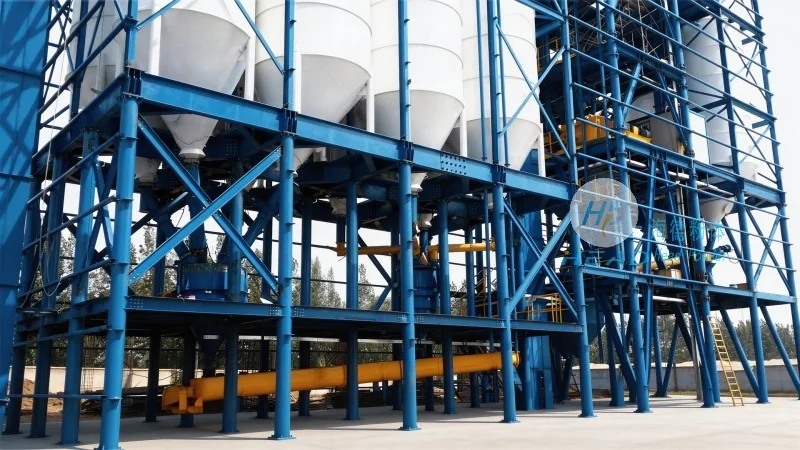
Shandong HeadPowder Engineering Co., Ltd., a leading provider of polyurethane pneumatic conveying solutions, has successfully implemented numerous systems across various industries. One notable project involved the design and installation of a high-capacity polyurethane pneumatic conveying system for a food processing facility. The system was engineered to handle fine powders, such as flour and sugar, while maintaining strict hygiene standards. The design incorporated specialized polyurethane hoses resistant to food-grade chemicals and easy to clean, ensuring compliance with industry regulations. The system's performance exceeded expectations, with reduced material loss and improved operational efficiency. This case study highlights the importance of thorough design considerations and the expertise of experienced engineers in delivering reliable polyurethane pneumatic conveying solutions.

 Shandong Headpowder Engineering Co., Ltd.
 156-6277-7102(Manager Zhang)
  0531-83386006
  Zhangqiu District, Jinan City, Shandong Province, China
telephone
WeChatconsult
top