

Working Principle and Features of Glass Powder Pneumatic Conveying Systems
HeadPowder, a leading engineering company based in Shandong, China, specializes in the design and implementation of advanced pneumatic conveying systems for glass powder applications. This article explores the fundamental working principles and key features of such systems, providing a comprehensive overview for industry professionals and potential clients.
Working Principle of Glass Powder Pneumatic Conveying Systems
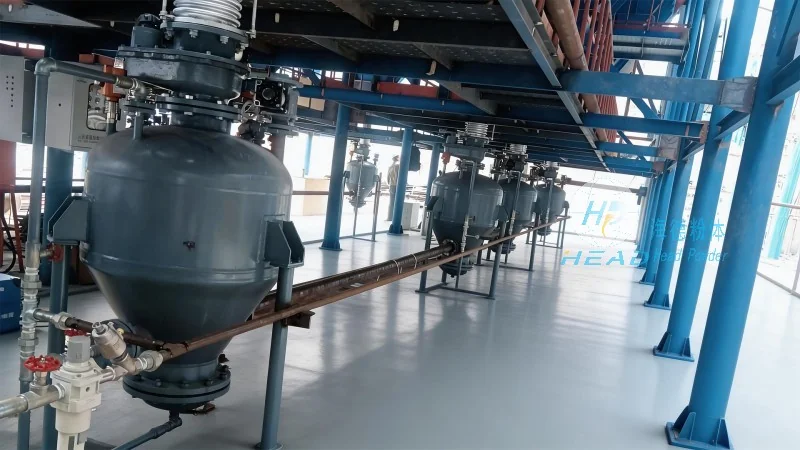
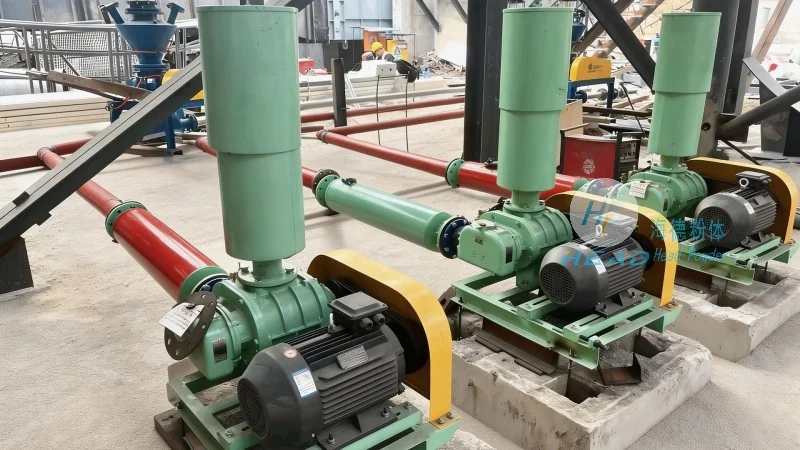
The core mechanism of a glass powder pneumatic conveying system involves the use of compressed air or other gases to transport dry powder materials through a pipeline network. The process typically begins with the material being fed into a hopper or feeder, where it is then drawn into the conveying line by the moving air stream. The system utilizes various components, including blowers, filters, and control valves, to ensure efficient and reliable material transport. The air flow is carefully managed to maintain the powder in a suspended state, preventing blockages and ensuring consistent flow rates. This method eliminates the need for mechanical components like belts or buckets, reducing maintenance requirements and increasing operational efficiency. The working principle can be broken down into several stages: first, the glass powder is stored in a hopper equipped with a feeder that controls the material flow rate. The feeder then delivers the powder into the conveying line, where it is entrained by a high-velocity air stream generated by a blower. The air and powder mixture travels through the pipeline, with the air velocity maintained above the minimum fluidization velocity to keep the powder suspended. At the receiving end, the air is separated from the powder using a cyclone or filter, allowing the powder to be deposited into a storage bin or processing equipment. The separated air is then filtered and recirculated back to the blower, completing the closed-loop system. This approach minimizes energy consumption and ensures environmental compliance by reducing dust emissions.
Key Features of Glass Powder Pneumatic Conveying Systems
HeadPowder's glass powder pneumatic conveying systems are designed with several distinct features that enhance performance and reliability. One of the primary advantages is the ability to handle fine, abrasive materials like glass powder without causing wear or degradation. The systems are equipped with high-efficiency filters to capture and recycle fine particles, minimizing dust emissions and improving air quality. Additionally, the modular design allows for easy integration with existing production lines and scalability to accommodate varying production volumes. The use of advanced control systems enables precise regulation of air pressure and flow, ensuring consistent material delivery and preventing system overloads. Another notable feature is the low maintenance requirement, as the absence of moving parts reduces the likelihood of mechanical failures and simplifies routine upkeep. The systems are constructed with corrosion-resistant materials, such as stainless steel, to withstand the chemical properties of glass powder and prevent degradation over time. Integration of sensors and monitoring systems allows for real-time tracking of material flow rates and system performance, enabling proactive maintenance and troubleshooting. The modular design facilitates easy expansion or modification of the system as production needs evolve, providing long-term flexibility and adaptability.
Applications and Benefits
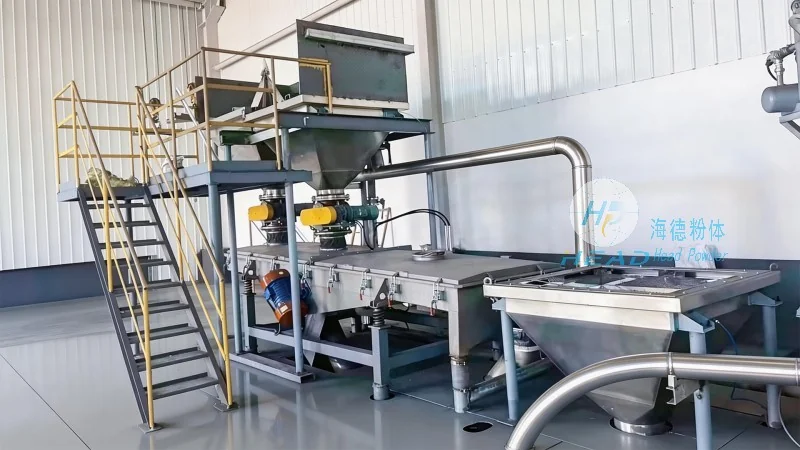
Glass powder pneumatic conveying systems are widely used in various industrial applications, including glass manufacturing, pharmaceuticals, and food processing. The primary benefits include improved safety by eliminating manual handling of powders, enhanced product quality through reduced contamination, and increased operational efficiency through automated material transport. The systems also contribute to cost savings by minimizing material loss and reducing downtime associated with mechanical conveyor breakdowns. HeadPowder's expertise in customizing these systems ensures that clients receive solutions tailored to their specific operational needs, optimizing performance and maximizing return on investment. The systems are particularly advantageous in environments where dust control and material purity are critical, such as in pharmaceutical or food processing industries. By leveraging advanced engineering and materials science, HeadPowder delivers systems that meet stringent industry standards and regulatory requirements, ensuring reliable and efficient operation.
Conclusion
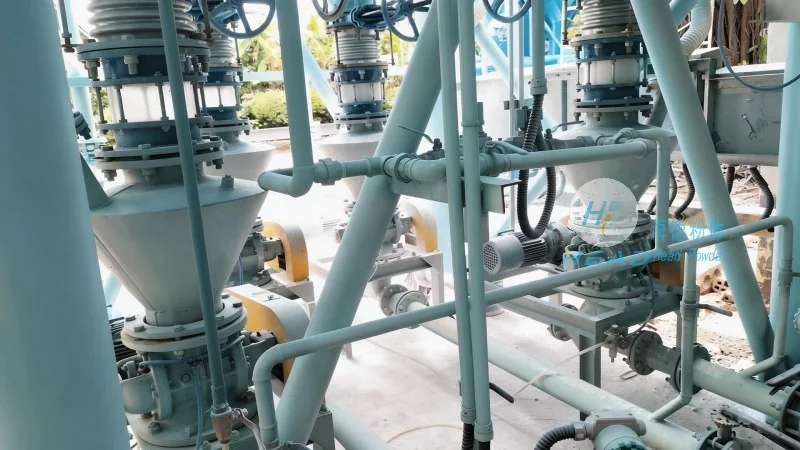
In summary, glass powder pneumatic conveying systems offer a highly efficient and reliable method for transporting fine powder materials like glass powder. The working principles, which involve the use of compressed air to entrain and transport the material, combined with key features such as modular design, corrosion resistance, and advanced control systems, make these systems a preferred choice for industries requiring consistent and high-quality material transport. HeadPowder, with its headquarters in Shandong, China, provides comprehensive solutions that address the unique challenges of glass powder handling, ensuring optimal performance and long-term operational success for clients worldwide.