With more than 10‑year industry experience, Shandong Headpowder delivers full‑service pneumatic‑conveying systems and blowers, undertaking nationwide turn‑key powder‑handling projects.
When it comes to handling and transporting calcium carbonate powder, selecting the right pneumatic conveying system is crucial for efficiency, cost-effectiveness, and operational reliability. A well-designed system can significantly enhance production throughput while minimizing downtime and maintenance costs. This article provides a comprehensive guide to designing a reasonable calcium carbonate pneumatic conveying system, focusing on key considerations, system components, and practical implementation strategies.
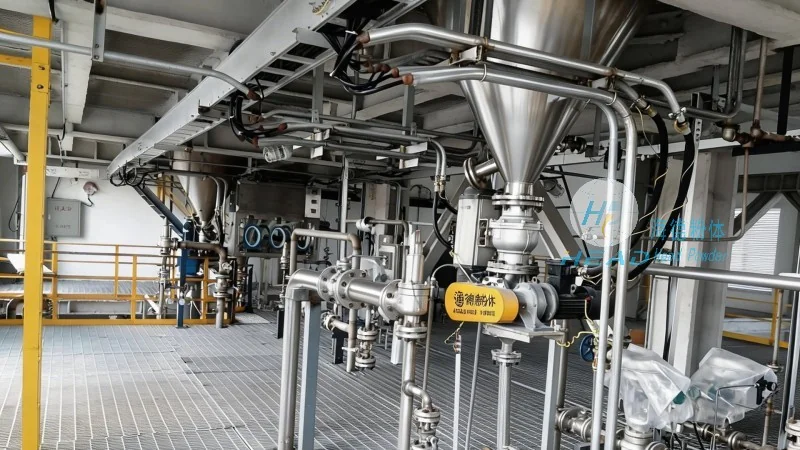
Before diving into system design, it's essential to grasp the fundamental principles of pneumatic conveying. This method involves transporting bulk materials like calcium carbonate through a pipeline using a gas stream, typically air or a combination of air and other gases. The primary types of pneumatic conveying systems include pressure and vacuum systems, each with distinct advantages and applications. For calcium carbonate, which is often used in industries such as plastics, paper, and coatings, a pressure system is commonly preferred due to its ability to handle higher material loads and longer distances with less pressure drop.
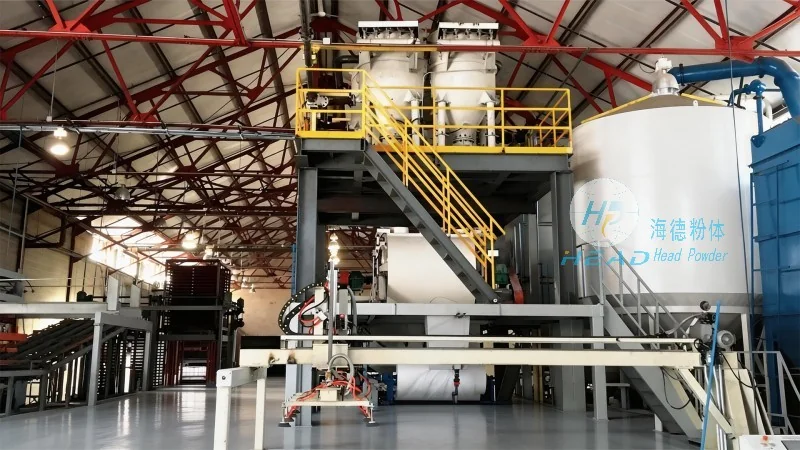
Designing an effective calcium carbonate pneumatic conveying system requires careful consideration of several critical factors. The first is the material's properties, including particle size, density, and flowability. Calcium carbonate powders can vary widely in these characteristics, and understanding them is vital for selecting the appropriate equipment and system configuration. For instance, fine powders (typically less than 100 microns) may require more precise control of air velocity to prevent clogging, as they have a higher tendency to agglomerate. Coarser particles (greater than 200 microns) might need higher air pressure to maintain flow, as they are less aerodynamic. The density of the material also affects the system's capacity, as higher density materials require more air volume to move. Flowability, which is influenced by moisture content and particle shape, is another critical factor. Poorly flowing materials can lead to blockages and system inefficiencies. The second factor is the system's capacity and required conveying distance. The design must ensure that the system can handle the intended throughput without excessive energy consumption or pressure loss. For example, a system conveying 5 tons per hour over 100 meters may require different equipment than a system conveying 15 tons per hour over 500 meters. The third factor is the system's integration with existing infrastructure. Compatibility with current production lines, storage facilities, and processing equipment is essential to minimize disruptions during implementation. This includes considering the available space, power supply, and material handling capabilities of the existing setup. The fourth factor is the environmental and safety considerations. Pneumatic conveying systems can generate dust, which may require dust collection and filtration systems to comply with environmental regulations. Additionally, the system must be designed to prevent material spillage and ensure operator safety. These factors are crucial for a successful and sustainable operation.
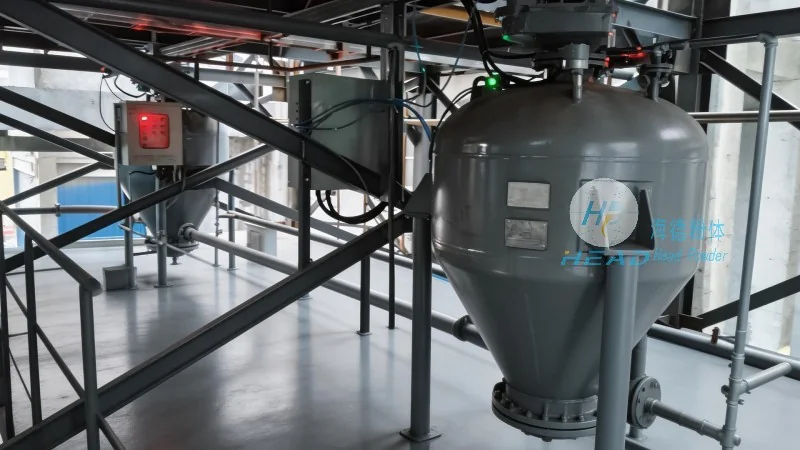
A typical calcium carbonate pneumatic conveying system consists of several key components, each playing a vital role in the overall operation. The main components include the material feed system, the conveying line, the air supply system, and the control and monitoring equipment. The material feed system, often a hopper or a rotary valve, ensures a consistent and controlled flow of calcium carbonate into the system. This component is crucial for preventing material buildup and maintaining stable operation. The conveying line, made of materials like stainless steel or plastic, transports the material through the system. The choice of material for the line depends on the chemical compatibility with calcium carbonate and the need for durability. The air supply system, which may include a blower or a compressor, provides the necessary pressure and volume of air to move the material. The blower's capacity and pressure rating must be matched to the system's requirements to ensure efficient conveying. Finally, the control and monitoring equipment, such as pressure sensors, flow meters, and control valves, allow operators to monitor system performance and make adjustments as needed. This component is essential for maintaining optimal operation and preventing issues like clogging or pressure drops.
The design process for a calcium carbonate pneumatic conveying system involves several steps to ensure a successful outcome. The first step is to conduct a thorough analysis of the material's properties and the system's requirements. This includes determining the required conveying capacity, distance, and operating conditions. Next, the system configuration is selected based on the analysis, considering factors such as the type of material, the available space, and the budget. The system components are then sized and selected to meet the requirements. This involves choosing the appropriate blower, conveying line, and feed system. The system is then modeled and simulated to predict its performance under various conditions. This step helps identify potential issues and optimize the design before implementation. Finally, the system is installed and commissioned, with thorough testing to ensure it meets the required specifications. Best practices during the design process include consulting with experienced engineers, using high-quality materials, and adhering to industry standards. Regular maintenance and monitoring are also essential to ensure the system operates efficiently over time.
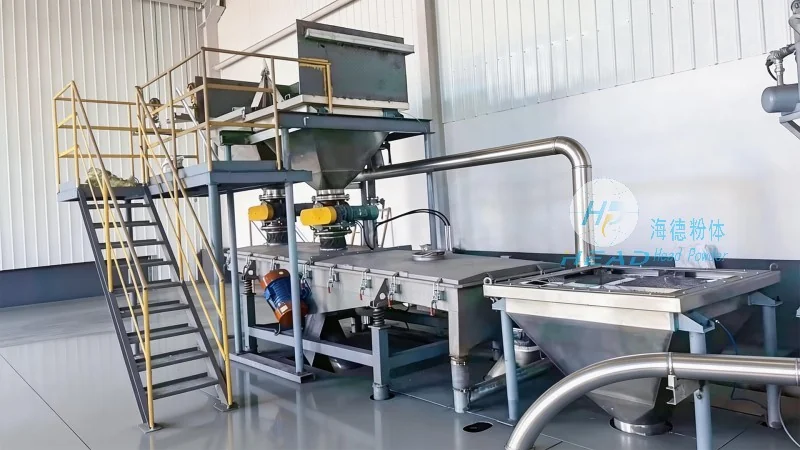
Shandong HeadPowder Engineering Co., Ltd., a leading provider of engineering solutions for bulk material handling, recently completed a project for a client in the plastics industry. The client required a pneumatic conveying system to transport calcium carbonate from a storage silo to a production line. The system needed to handle a capacity of 10 tons per hour over a distance of 200 meters. The design team at HeadPowder first conducted a detailed analysis of the calcium carbonate properties, including particle size distribution and flowability. Based on this analysis, a pressure pneumatic conveying system was selected. The system was designed with a stainless steel conveying line and a high-capacity blower. The feed system was a rotary valve with a hopper to ensure a consistent material flow. The system was installed and commissioned, with thorough testing to ensure it met the client's requirements. The system has been in operation for over a year, with minimal downtime and maintenance. The client reported significant improvements in production throughput and cost savings due to the efficient and reliable operation of the system.

 Shandong Headpowder Engineering Co., Ltd.
 156-6277-7102(Manager Zhang)
  0531-83386006
  Zhangqiu District, Jinan City, Shandong Province, China
telephone
WeChatconsult
top