With more than 10‑year industry experience, Shandong Headpowder delivers full‑service pneumatic‑conveying systems and blowers, undertaking nationwide turn‑key powder‑handling projects.
Designing an efficient and reliable silicon carbide (SiC) pneumatic conveying system is a critical task for industries dealing with this high-value, abrasive material. The process involves careful consideration of several key factors to ensure optimal performance, minimal maintenance, and long-term operational efficiency. This article provides a comprehensive guide to designing a reasonable SiC pneumatic conveying system, focusing on the technical aspects and practical considerations that headpowder, a leading engineering company based in Shandong, China, employs in its projects. The company's expertise in material handling and system integration ensures that each project is tailored to meet the unique needs of the client, resulting in a system that is both effective and cost-efficient.
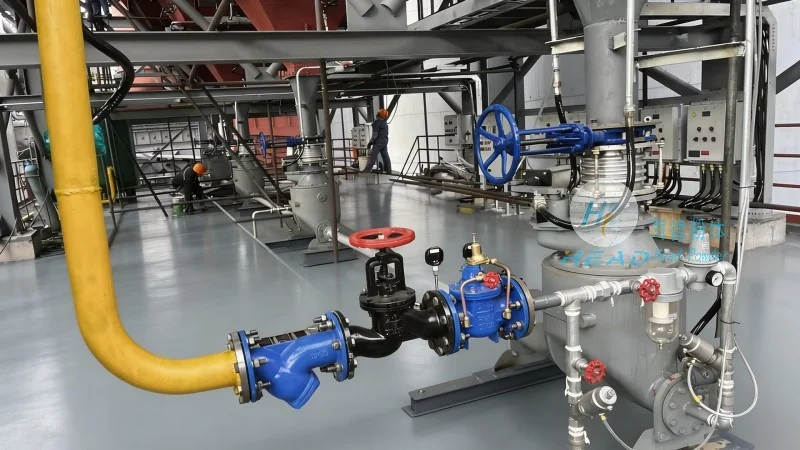
A pneumatic conveying system for silicon carbide typically consists of several essential components, each playing a vital role in the material's transport. The primary components include the material feed hopper, the conveying line (pipes), the air supply system (blowers or compressors), the control valves, and the discharge equipment. The choice of each component depends on the specific application, material characteristics, and the desired conveying distance and capacity. For instance, the feed hopper must be designed to handle the high abrasiveness of SiC, often requiring wear-resistant materials like stainless steel or specialized alloys to prevent premature wear and failure.
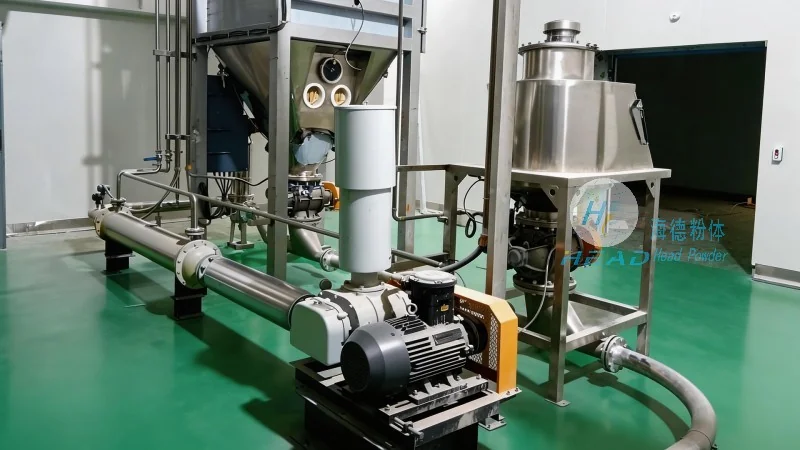
There are two main types of pneumatic conveying systems: positive pressure and negative pressure. Positive pressure systems use a blower to force air and material through the pipeline, while negative pressure systems use a vacuum to draw material into the line. For silicon carbide, positive pressure systems are often preferred due to their ability to handle abrasive materials more effectively and their lower risk of material degradation. However, the selection depends on factors such as the material's flowability, the distance to be conveyed, and the need for dust control. Positive pressure systems typically offer higher conveying capacities and are more suitable for long-distance transport, whereas negative pressure systems are better for short distances and applications where dust containment is a priority.
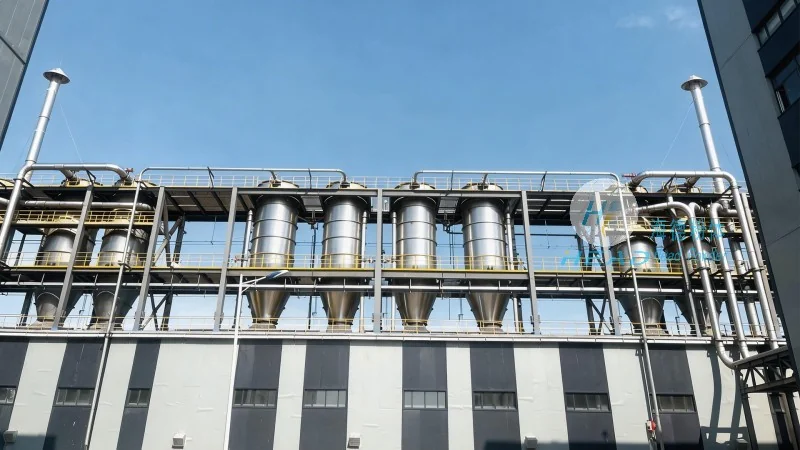
The material feed hopper is the starting point of the conveying system and must be designed to handle the specific characteristics of silicon carbide. SiC is a hard, abrasive material that can cause significant wear on equipment. Therefore, the hopper should be constructed from wear-resistant materials such as stainless steel, alloy steel, or specialized coatings like ceramic liners. The hopper should also be equipped with a feed valve, such as a rotary valve or a star valve, to control the flow of material into the conveying line. The design should minimize material buildup and ensure a consistent feed rate, which is crucial for maintaining system stability and preventing blockages. Additionally, the hopper may include features like a level sensor or a vibration sensor to monitor material levels and detect potential issues early.
The conveying line is a critical component that must be designed to withstand the abrasive nature of silicon carbide. The pipe material should be selected based on the system pressure, temperature, and the material's properties. Common materials include stainless steel, alloy steel, and high-density polyethylene (HDPE) for low-pressure systems. The pipe diameter is determined by the required flow rate and the air velocity, which should be maintained within an optimal range to prevent material deposition and ensure efficient transport. The line should also be equipped with bends and elbows that are designed to minimize pressure loss and prevent material accumulation. For abrasive materials like SiC, elbows are often replaced with straight sections or specialized wear-resistant bends to reduce wear and extend the system's lifespan.
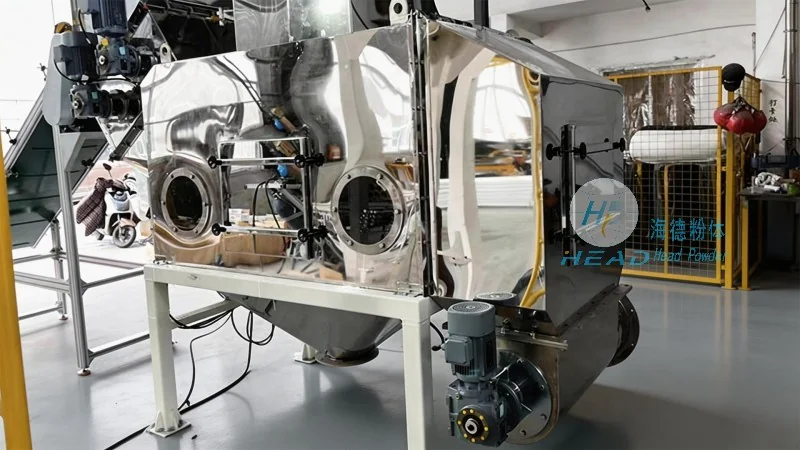
The air supply system provides the necessary pressure and volume of air to move the silicon carbide through the conveying line. The choice of blower depends on the system type (positive or negative pressure) and the required pressure and flow rate. Positive pressure systems typically use centrifugal blowers or rotary lobe blowers, which can deliver high pressure and volume. The blower should be sized to provide sufficient air to maintain the required air velocity in the line, typically between 20-30 m/s for SiC. The system should also include air filtration and drying equipment to ensure that the air is clean and dry, preventing moisture-related issues such as material clumping or corrosion. HeadPowder recommends using high-efficiency filters and desiccant dryers to maintain air quality and prolong equipment life.

 Shandong Headpowder Engineering Co., Ltd.
 156-6277-7102(Manager Zhang)
  0531-83386006
  Zhangqiu District, Jinan City, Shandong Province, China
telephone
WeChatconsult
top