With more than 10‑year industry experience, Shandong Headpowder delivers full‑service pneumatic‑conveying systems and blowers, undertaking nationwide turn‑key powder‑handling projects.
Pneumatic conveying is a critical technology in material handling, especially for powders and fine particles like iron fines. The method involves transporting bulk materials through a pipeline using air or other gases as the conveying medium. Two primary methods dominate this field: positive pressure conveying and negative pressure conveying. This article provides a detailed comparison of these two approaches, focusing on their applications, advantages, and limitations in the context of iron fines transportation. As a leading provider of material handling solutions, Shandong HeadPowder Engineering Co., Ltd. specializes in designing and implementing efficient pneumatic conveying systems tailored to the specific needs of industrial applications.
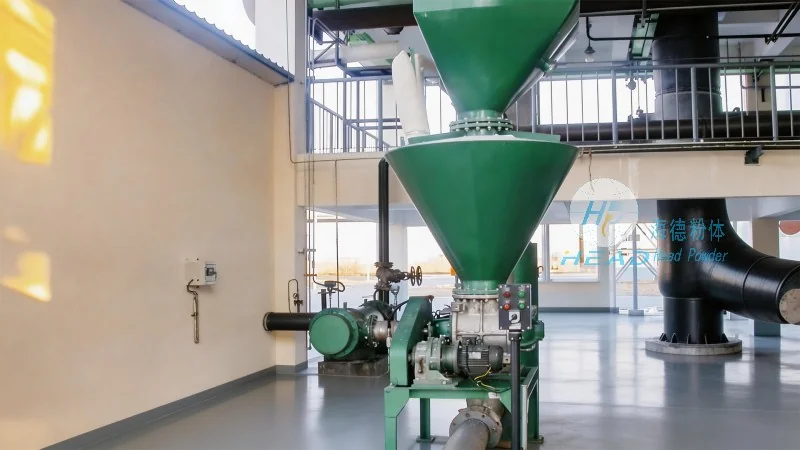
Positive pressure conveying, also known as pressure conveying, operates by generating a higher pressure inside the conveying line compared to the ambient environment. In this system, a positive pressure blower or compressor supplies compressed air to the material feed point, pushing the iron fines through the pipeline. The entire system, including the feed hopper and discharge point, is maintained under positive pressure. This method is particularly effective for long-distance and high-capacity conveying, as it can handle larger particle sizes and higher material loads. For iron fines, positive pressure systems often utilize high-pressure blowers that can achieve pressures up to 10 bar or more, ensuring efficient material movement even through long pipelines.
One of the key advantages of positive pressure conveying is its ability to handle abrasive and corrosive materials like iron fines without significant wear on the system components. The high-pressure air stream effectively breaks up agglomerates and ensures a consistent flow of material. Additionally, positive pressure systems are less susceptible to external air infiltration, which can introduce contaminants into the material stream. This makes them ideal for applications where material purity is critical, such as in the production of high-quality iron powders or in processes where the material is used in sensitive manufacturing steps. The robust design of positive pressure systems also allows for easier maintenance and repair, as components are less likely to be affected by external environmental factors.
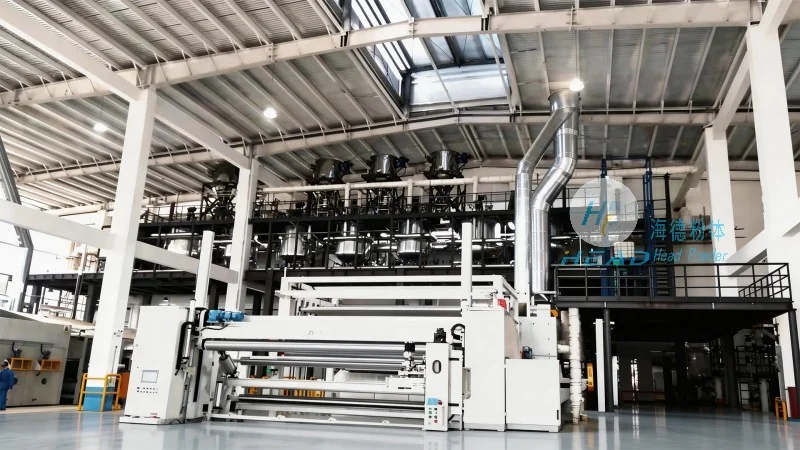
Despite its advantages, positive pressure conveying has some limitations. The high-pressure operation requires more energy consumption compared to negative pressure systems, as the blower must work harder to maintain the pressure differential. This can increase operational costs, especially for large-scale applications. Additionally, positive pressure systems are more complex to install and maintain, as they require sealed pipelines and proper ventilation to prevent pressure buildup and potential safety hazards. The system also needs regular checks to ensure that all components are functioning correctly, as any leaks can lead to pressure loss and reduced conveying efficiency.
Negative pressure conveying, or vacuum conveying, operates by creating a lower pressure inside the conveying line compared to the ambient environment. A vacuum pump draws air and material from the feed point, pulling the iron fines through the pipeline to the discharge point. The system is typically open to the environment at the discharge end, allowing the material to be released under ambient conditions. This method is often used for shorter conveying distances and for materials that are more sensitive to pressure changes or that require gentle handling.
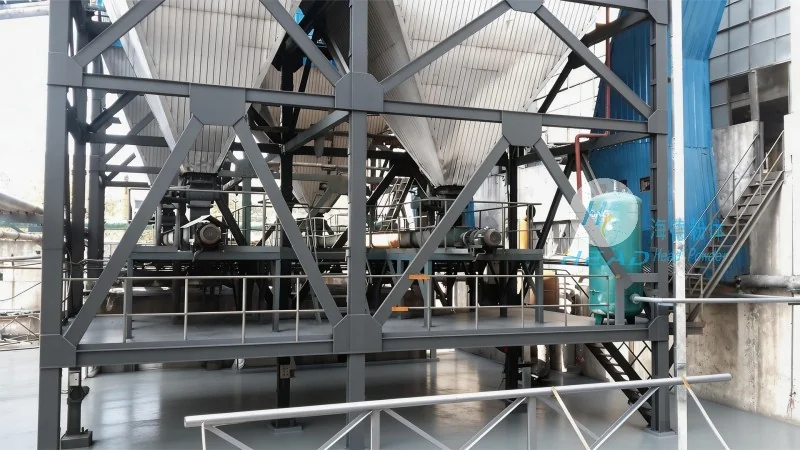
One of the main advantages of negative pressure conveying is its lower energy consumption compared to positive pressure systems. The vacuum pump operates at lower pressures, reducing the overall energy demand. This makes it more cost-effective for shorter distances or for applications where energy efficiency is a priority. Additionally, negative pressure systems are simpler to install and maintain, as they do not require sealed pipelines or complex pressure control systems. The open discharge end also allows for easier material handling and discharge, as the material is released under ambient conditions without the need for additional pressure relief mechanisms.
However, negative pressure conveying has its own set of limitations. The lower pressure operation can be less effective for handling abrasive or high-density materials like iron fines, as the material may not be fully suspended in the air stream, leading to increased wear on the pipeline and pump components. The system is also more susceptible to external air infiltration, which can introduce contaminants into the material stream and affect its purity. Additionally, negative pressure systems may not be suitable for long-distance conveying, as the pressure drop over long pipelines can reduce the conveying efficiency and require larger vacuum pumps to maintain the necessary suction.
When comparing positive and negative pressure conveying for iron fines, several factors must be considered. The choice between the two methods depends on the specific application requirements, such as conveying distance, material characteristics, and operational costs. For long-distance and high-capacity applications, positive pressure conveying is generally more suitable due to its higher efficiency and ability to handle larger material loads. However, for shorter distances or applications where energy efficiency is a priority, negative pressure conveying may be a better option. The robust design of positive pressure systems also makes them more suitable for abrasive materials like iron fines, which can cause significant wear in negative pressure systems.
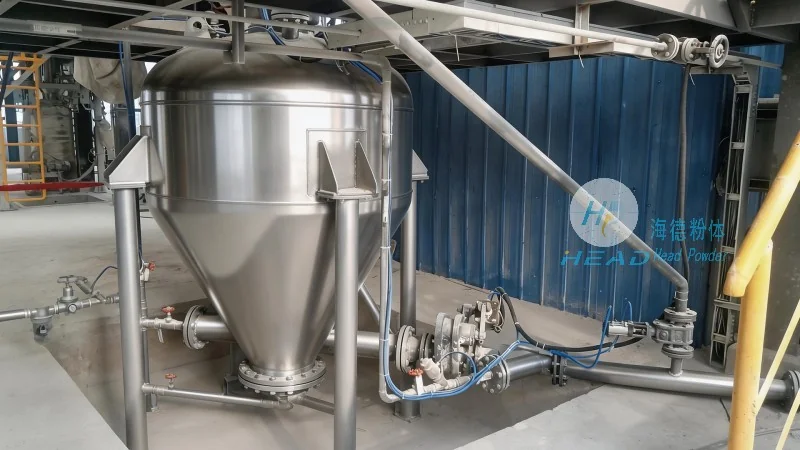
Iron fines are widely used in various industries, including metallurgy, automotive, and electronics. The choice of pneumatic conveying method depends on the specific application. For example, in the production of iron powder for magnetic materials, positive pressure conveying is often preferred to ensure the material remains pure and free from contaminants. In contrast, for applications where the iron fines are used in processes that require gentle handling, such as in the production of iron-based catalysts, negative pressure conveying may be more appropriate to minimize material degradation.
In conclusion, both positive and negative pressure conveying methods have their own advantages and limitations when it comes to transporting iron fines. The choice between the two depends on factors such as conveying distance, material characteristics, and operational costs. Positive pressure conveying is generally more suitable for long-distance and high-capacity applications, while negative pressure conveying is better for shorter distances and applications where energy efficiency is a priority. Understanding the specific requirements of the application is crucial in selecting the most appropriate pneumatic conveying system. For businesses in the iron fines industry, choosing the right conveying method can significantly impact operational efficiency, material quality, and overall cost-effectiveness.

 Shandong Headpowder Engineering Co., Ltd.
 156-6277-7102(Manager Zhang)
  0531-83386006
  Zhangqiu District, Jinan City, Shandong Province, China
telephone
WeChatconsult
top