

What is a Polystyrene Powder Pneumatic Conveying System? And What Are Its Design Principles?
Polystyrene powder pneumatic conveying systems are specialized equipment used to transport polystyrene powder materials through a pipeline using air pressure. These systems are essential in various industrial applications, ensuring efficient and safe material handling. Understanding the design principles behind such systems is crucial for optimizing performance and meeting operational requirements.
Introduction to Polystyrene Powder Pneumatic Conveying Systems
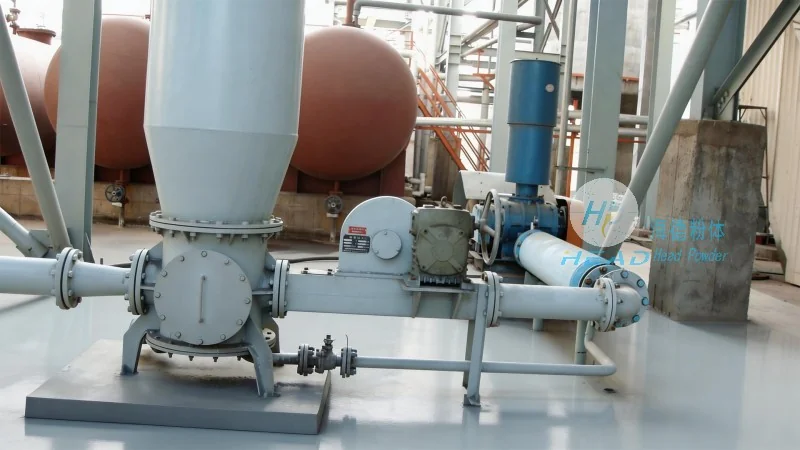
A polystyrene powder pneumatic conveying system is a type of pneumatic transport system designed specifically for handling polystyrene powder. Polystyrene is a common thermoplastic used in a wide range of products, from packaging materials to insulation and consumer goods. The system facilitates the movement of this powder from a storage or processing location to a destination, such as a mixing or molding station. The core of the system involves the use of air to create a flow that carries the powder particles through a pipeline. This method offers advantages over traditional mechanical conveying systems, including reduced risk of contamination, lower maintenance needs, and the ability to handle materials in a closed environment.
Key Components of a Polystyrene Powder Pneumatic Conveying System
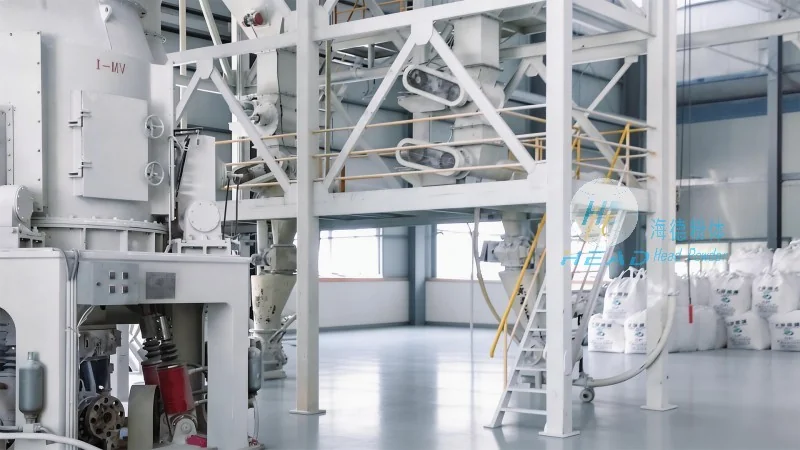
The design of a polystyrene powder pneumatic conveying system typically includes several key components that work together to ensure efficient operation. These components include a material hopper or feeder, which holds the polystyrene powder and regulates its flow into the system. The feeder may be equipped with a rotary valve or other metering device to control the quantity of powder being conveyed. Next, the system features a blower or compressor that generates the necessary air pressure to move the powder through the pipeline. The pipeline itself is constructed from materials that are compatible with polystyrene and resistant to abrasion, such as stainless steel or specialized plastic. At the receiving end, a receiver or silo is used to collect the conveyed powder. Additionally, the system may include a filter or separator to remove any air or fine particles from the powder, ensuring the material remains clean and free from contaminants.
Design Principles for Efficient Polystyrene Powder Conveying
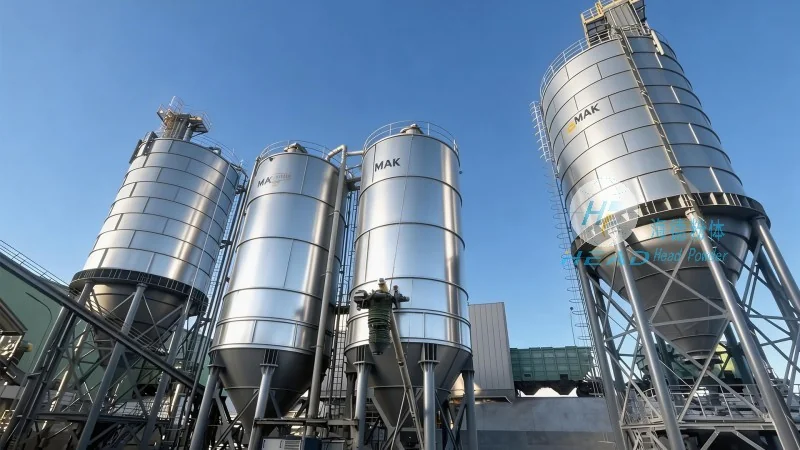
The design principles of a polystyrene powder pneumatic conveying system are centered on optimizing the flow of powder and air to achieve maximum efficiency and minimal energy consumption. One of the primary design considerations is the air-to-solid ratio, which refers to the amount of air used relative to the amount of powder being conveyed. An optimal air-to-solid ratio ensures that the powder particles are fully suspended and transported without excessive pressure drops or particle degradation. The system's design also takes into account the particle size and density of the polystyrene powder, as these factors influence the required air velocity and pressure. For polystyrene, which often has a relatively low density and fine particle size, the system may be designed with higher air velocities to maintain particle suspension. Another critical design principle is the pipeline layout and diameter. The pipeline diameter must be sufficient to prevent excessive pressure losses and ensure smooth flow. The layout should minimize bends and changes in direction, as these can cause particle segregation or blockages. Additionally, the system may incorporate features such as pulse-jet cleaning or air locks to prevent material buildup and maintain consistent operation.
Applications and Benefits of Polystyrene Powder Pneumatic Conveying Systems
Polystyrene powder pneumatic conveying systems are widely used in various industries where polystyrene is processed or used as a raw material. In the plastics manufacturing industry, these systems are used to transport polystyrene from storage silos to processing equipment, such as extruders or injection molding machines. In the packaging industry, they are employed to move polystyrene granules or powders to packaging lines for forming and sealing. The benefits of using such systems include improved safety, as the material is handled in a closed system, reducing the risk of dust exposure or environmental contamination. Additionally, the systems offer higher efficiency compared to traditional methods, as they can transport materials over longer distances with less energy consumption. The closed nature of the system also helps maintain product quality by preventing contamination from external sources. Furthermore, these systems are relatively low maintenance, as they have fewer moving parts compared to mechanical conveying systems, reducing downtime and operational costs.
Conclusion and Company Overview
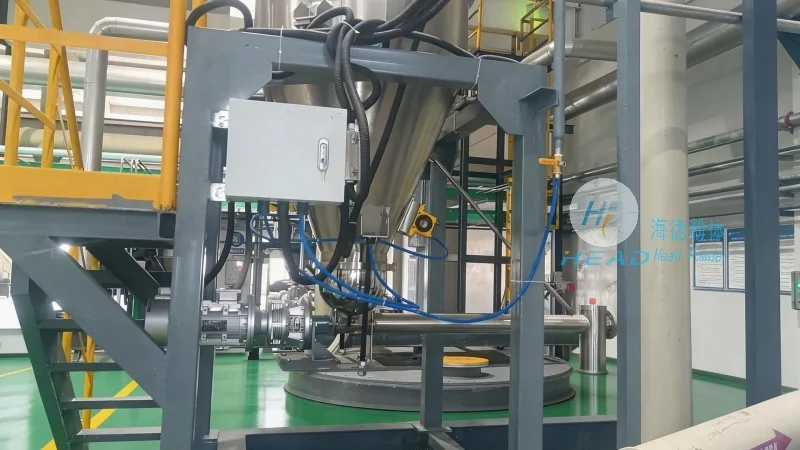
Polystyrene powder pneumatic conveying systems are sophisticated equipment designed to efficiently and safely transport polystyrene powder materials. The design principles, including optimal air-to-solid ratios, appropriate pipeline layout, and material compatibility, are crucial for ensuring the system operates at peak performance. These systems offer significant advantages over traditional conveying methods, including improved safety, efficiency, and product quality. Shandong HeadPowder Engineering Co., Ltd., a leading manufacturer in this field, specializes in designing and manufacturing high-quality pneumatic conveying systems tailored to the specific needs of polystyrene powder handling. With a focus on innovation and customer satisfaction, the company provides reliable solutions that meet the demands of various industrial applications. Located in Shandong, China, HeadPowder Engineering Co., Ltd. leverages its expertise to deliver systems that enhance operational efficiency and ensure the safe handling of polystyrene powder in industrial settings.