

What is a Textile Fiber Powder Pneumatic Conveying Machine? What Are Its Design Principles?
Textile fiber powder pneumatic conveying machines are specialized equipment designed to handle and transport fine powders, particularly those derived from textile processes. These machines utilize air as the primary medium to move materials, offering a dust-free and efficient method for material transfer in industrial settings. As part of the broader category of pneumatic conveying systems, they are essential for industries that rely on the handling of delicate or abrasive powders, such as those found in textile manufacturing, chemical processing, and food production. Shandong HeadPowder Engineering Co., Ltd., a leading manufacturer based in Shandong, China, specializes in developing and supplying high-quality pneumatic conveying solutions tailored to the unique needs of the textile industry.
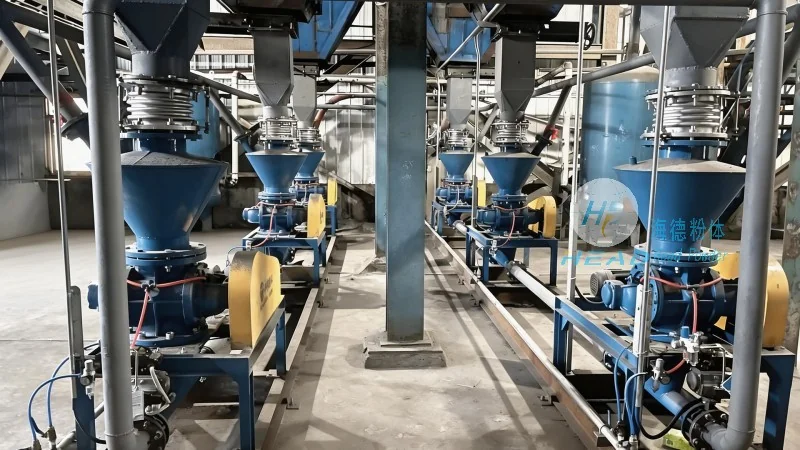
Understanding the Core Function of Textile Fiber Powder Pneumatic Conveying Machines
At its essence, a textile fiber powder pneumatic conveying machine operates by using compressed air to create a flow that propels powder particles through a pipeline. The system typically consists of a hopper for material storage, a blower or compressor to generate the air pressure, and a series of pipes and valves to direct the material to its destination. This method is particularly advantageous for textile fibers because it minimizes particle degradation and prevents contamination, which are critical concerns in the textile industry where material quality directly impacts product performance.
The Design Principles Behind Pneumatic Conveying Systems
The design of a textile fiber powder pneumatic conveying machine is governed by several key principles that ensure optimal performance and efficiency. First, the system must balance air velocity and pressure to achieve the right flow rate without causing excessive wear on components or degradation of the fiber particles. Engineers often use a combination of positive and negative pressure systems, such as dilute-phase and dense-phase conveying, to tailor the conveying method to the specific characteristics of the material. For textile fibers, which are often lightweight and prone to static, the design may incorporate features like anti-static coatings or special hopper designs to prevent material buildup and ensure smooth flow.
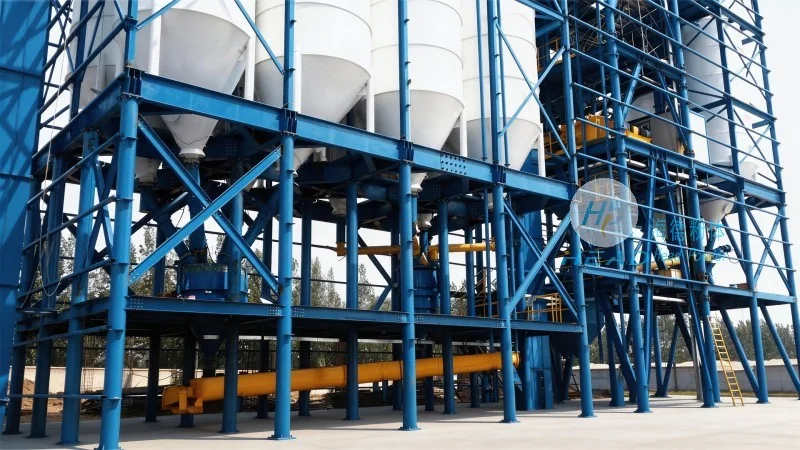
Key Components and Their Roles in the System
Several critical components work together to make a textile fiber powder pneumatic conveying machine functional. The hopper serves as the storage and feeding unit, equipped with a discharge valve to control the flow of material into the pipeline. The blower or compressor provides the necessary air pressure, with options ranging from rotary lobe blowers to centrifugal compressors, depending on the system's requirements. The pipeline network connects the hopper to the discharge point, often featuring bends, filters, and check valves to maintain consistent air flow and prevent backflow. Additionally, the system may include a dust collection or filtration unit to capture any airborne particles and ensure compliance with environmental regulations.
Advantages of Using Pneumatic Conveying for Textile Fibers
Compared to traditional mechanical conveying methods, pneumatic conveying offers several benefits for textile fiber powder handling. One of the most significant advantages is the ability to transport materials in a closed system, which reduces dust emissions and improves workplace safety. This is particularly important in textile factories where airborne fibers can cause respiratory issues or interfere with machinery. Additionally, pneumatic systems can handle materials with varying particle sizes and moisture content, making them versatile for different textile processing stages. The gentle handling of fibers also helps maintain their integrity, ensuring that the final product retains the desired texture and strength.
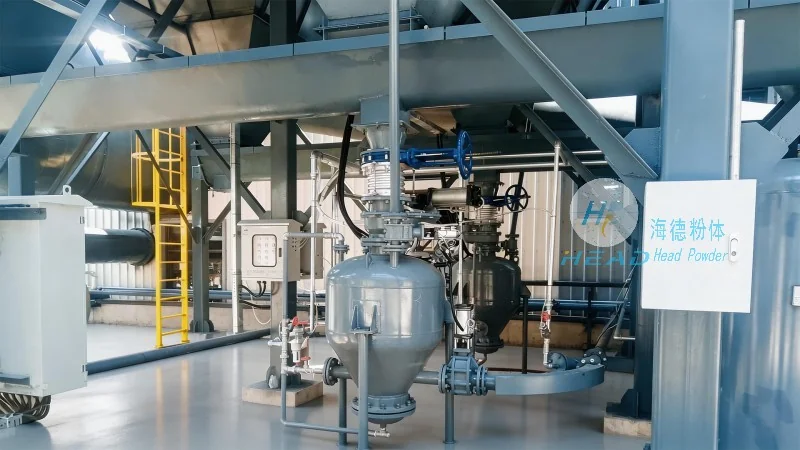
Applications in the Textile Industry
Textile fiber powder pneumatic conveying machines are widely used in various stages of textile manufacturing. For example, in the production of nonwoven fabrics, these machines can transport raw fibers from storage to the processing line, ensuring a consistent feed rate. In the finishing processes, such as dyeing or coating, the system can deliver colored powders or chemicals to the application equipment, maintaining precise control over the material dosage. Furthermore, in recycling operations, where used fibers are processed into new materials, pneumatic conveying helps in the efficient transfer of recycled fibers, supporting sustainable textile practices.
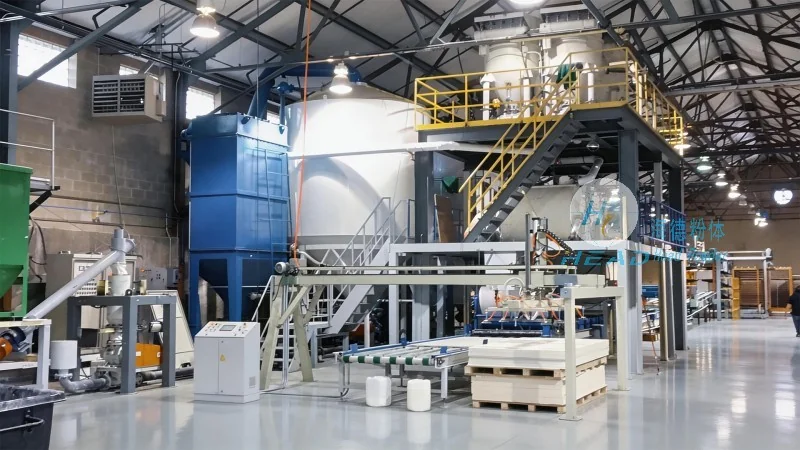
Considerations for Selecting the Right Pneumatic Conveying System
When choosing a textile fiber powder pneumatic conveying machine, several factors must be considered to ensure the system meets the specific needs of the operation. The first consideration is the material's properties, including particle size, density, and moisture content, as these affect the required air velocity and pressure. The system's capacity and the distance over which the material needs to be conveyed are also critical, as they determine the size of the blower and the diameter of the pipeline. Additionally, the operating environment, such as the presence of corrosive substances or high temperatures, may influence the choice of materials for the components, such as using stainless steel for parts that come into contact with the powder.
Conclusion: The Role of Pneumatic Conveying in Modern Textile Manufacturing
Textile fiber powder pneumatic conveying machines play a vital role in the efficient and safe handling of materials in the textile industry. By leveraging the principles of air-based transport, these systems offer a reliable solution for moving delicate fibers while maintaining product quality and workplace safety. As technology advances, manufacturers continue to refine these systems to improve efficiency and adapt to new materials and processes. For companies in the textile sector, investing in a well-designed pneumatic conveying system is essential for optimizing production, reducing costs, and ensuring compliance with industry standards.