With more than 10‑year industry experience, Shandong Headpowder delivers full‑service pneumatic‑conveying systems and blowers, undertaking nationwide turn‑key powder‑handling projects.
Carbon black powder, a critical component in various industrial applications, often requires efficient and reliable transportation methods. Pneumatic conveying stands out as a preferred solution for handling such powders due to its ability to move materials through a system using air or other gases. This article delves into the fundamentals of carbon black powder pneumatic conveying, focusing on the underlying design principles that ensure optimal performance and safety.
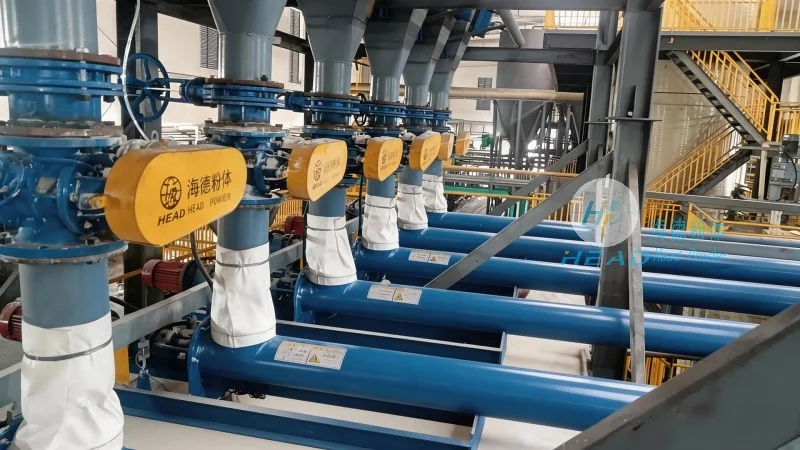
Carbon black powder is a fine, particulate material widely used in the production of tires, inks, plastics, and other products. Its small particle size and high density make traditional bulk handling methods challenging, as these powders can be prone to caking, dusting, or uneven flow. Pneumatic conveying addresses these challenges by utilizing a pressurized or vacuum system to transport the powder through pipes or ducts. The process involves injecting air or gas into a hopper or feeder, creating a flow that propels the powder forward. This method not only ensures consistent material transfer but also minimizes the risk of contamination and exposure to the environment.
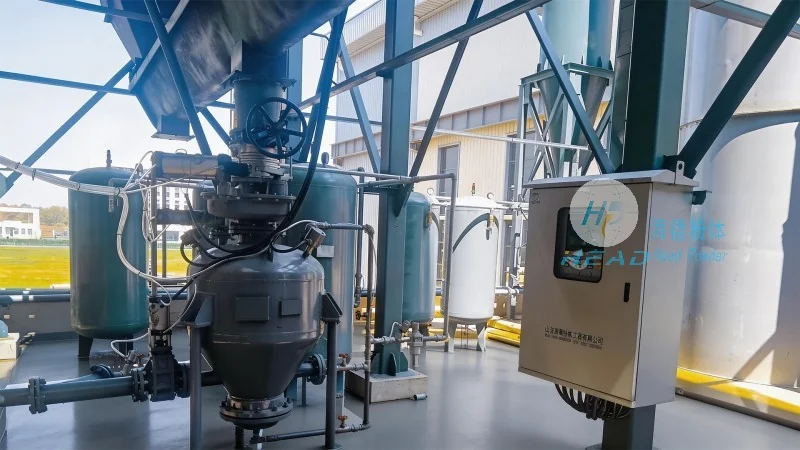
Designing an effective carbon black powder pneumatic conveying system involves several key principles that must be carefully considered. The first principle is the selection of the appropriate conveying type—either dilute phase or dense phase. Dilute phase systems use low air-to-material ratios, typically moving material at high velocities through relatively small pipes. This is suitable for short distances and low to medium material volumes. Dense phase systems, on the other hand, use higher air-to-material ratios and lower velocities, which are ideal for longer distances and higher material loads. The choice between these two depends on the specific application requirements, including the distance between the source and destination, the volume of material to be conveyed, and the desired flow rate.

Another critical design principle is the selection of the right equipment components. This includes the hopper or feeder, which must be designed to prevent material bridging or caking, as carbon black powder can settle and form hard clumps. The feeder, often a rotary valve or a screw feeder, ensures a consistent flow of material into the conveying line. The pipeline system must be constructed from materials that are compatible with carbon black, such as stainless steel or special coatings, to prevent corrosion and material degradation. Additionally, the system must include proper filtration and dust collection to maintain air quality and comply with environmental regulations.
Shandong HeadPowder Engineering Co., Ltd., commonly known as HeadPowder, is a leading provider of specialized equipment and solutions for carbon black powder handling. With years of experience in the industry, HeadPowder has developed advanced pneumatic conveying systems tailored to the unique needs of carbon black powder. The company's engineers leverage their deep understanding of material properties and conveying dynamics to design systems that maximize efficiency, minimize downtime, and ensure safety. HeadPowder's commitment to quality and innovation has made it a trusted partner for businesses in the tire, ink, and plastic industries, where reliable carbon black powder transportation is essential for production continuity.
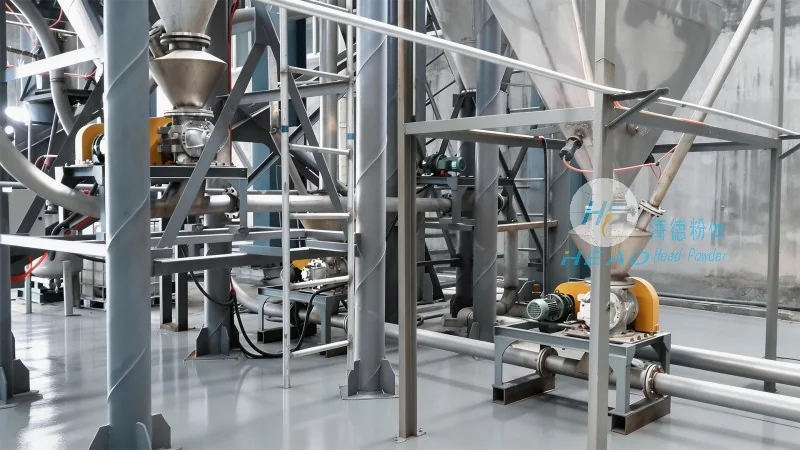
When implementing a carbon black powder pneumatic conveying system, several factors must be taken into account to ensure optimal performance. First, the system must be designed to handle the specific characteristics of carbon black powder, including its particle size distribution, moisture content, and flow properties. These factors affect the air-to-material ratio and the required pressure or vacuum levels. Second, the system must be equipped with proper monitoring and control mechanisms to detect and address issues such as blockages, pressure drops, or air leaks. Real-time monitoring allows operators to adjust the system parameters as needed, preventing disruptions and maintaining consistent material flow. Third, the system must comply with local regulations regarding air quality and noise levels. Carbon black powder can be a fine particulate that may pose health risks if not properly contained, so the system must include effective dust collection and filtration to protect both the environment and personnel.

 Shandong Headpowder Engineering Co., Ltd.
 156-6277-7102(Manager Zhang)
  0531-83386006
  Zhangqiu District, Jinan City, Shandong Province, China
telephone
WeChatconsult
top