

What is Fully Automatic Bulk Material Pneumatic Conveying? What Are Its Design Principles?
When discussing industrial material handling, the concept of pneumatic conveying stands out as a crucial technology for efficiently transporting bulk materials. Among the various systems available, fully automatic bulk material pneumatic conveying systems represent a sophisticated solution that combines automation with the principles of pneumatic transport. This technology is designed to handle a wide range of materials, from powders and granules to bulk solids, with minimal human intervention. The system's efficiency, reliability, and adaptability make it a preferred choice in industries such as pharmaceuticals, food processing, chemicals, and manufacturing.
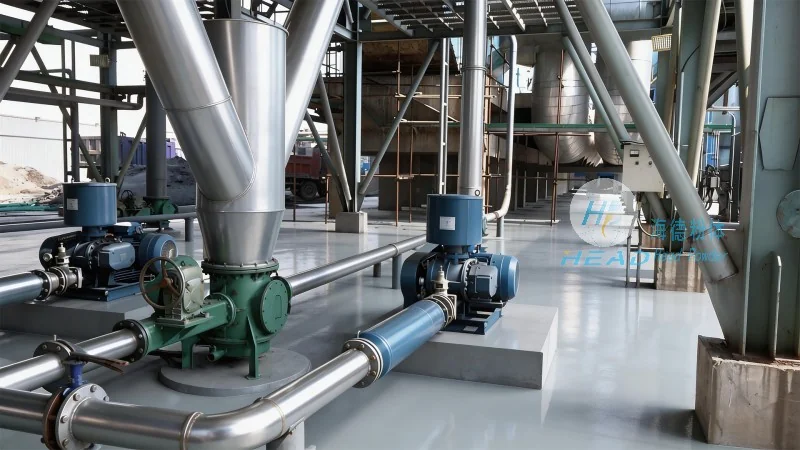
About HeadPowder: A Leader in Pneumatic Conveying Solutions
At the heart of advanced pneumatic conveying systems is Shandong HeadPowder Engineering Co., Ltd., a company based in Shandong, China. HeadPowder specializes in the design, manufacturing, and implementation of customized pneumatic conveying solutions tailored to the specific needs of clients. With years of experience and a commitment to innovation, HeadPowder has established itself as a trusted partner in the industry, providing high-quality equipment and expert consultation to ensure optimal performance and longevity of pneumatic conveying systems. The company's headquarters is located in Shandong, China, where it leverages local resources and expertise to deliver cutting-edge solutions for bulk material handling.
Understanding Fully Automatic Bulk Material Pneumatic Conveying
Fully automatic bulk material pneumatic conveying is a technology that uses compressed air or other gases to transport bulk materials through a network of pipes. Unlike traditional manual systems, this fully automated approach integrates sensors, control systems, and software to monitor and regulate the entire conveying process. The system is designed to operate continuously, with minimal supervision required, thereby enhancing operational efficiency and reducing labor costs. Key advantages of fully automatic pneumatic conveying include improved safety, reduced material waste, and enhanced process control. This technology is particularly beneficial for handling materials that are difficult to transport by conventional methods, such as fine powders that are prone to caking or abrasive granules that can damage traditional conveyors.
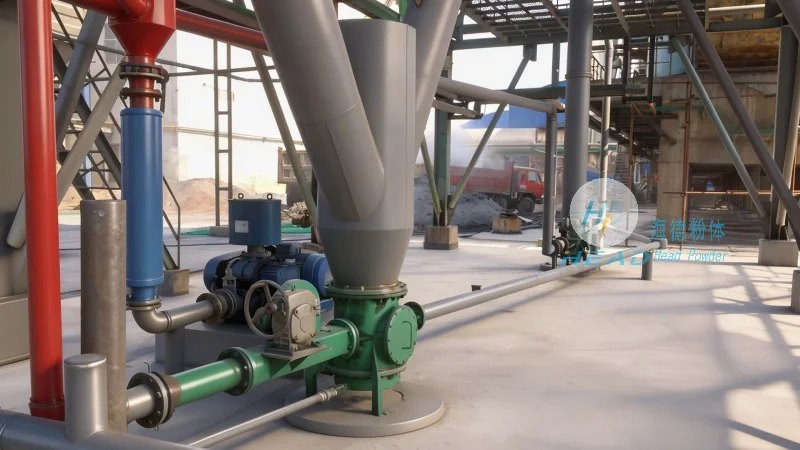
The Core Design Principles of Fully Automatic Pneumatic Conveying Systems
The design of a fully automatic bulk material pneumatic conveying system involves several critical components and principles that work in harmony to ensure reliable operation. The primary components include the air source system, which provides the necessary pressure and flow of air; the material feed system, which introduces the bulk material into the conveying line; the conveying pipeline, which transports the material from the feed point to the discharge point; and the separation and collection system, which removes the material from the air stream and returns the air to the system for reuse. Each component is carefully engineered to meet the specific requirements of the material being conveyed, such as particle size, density, and moisture content.
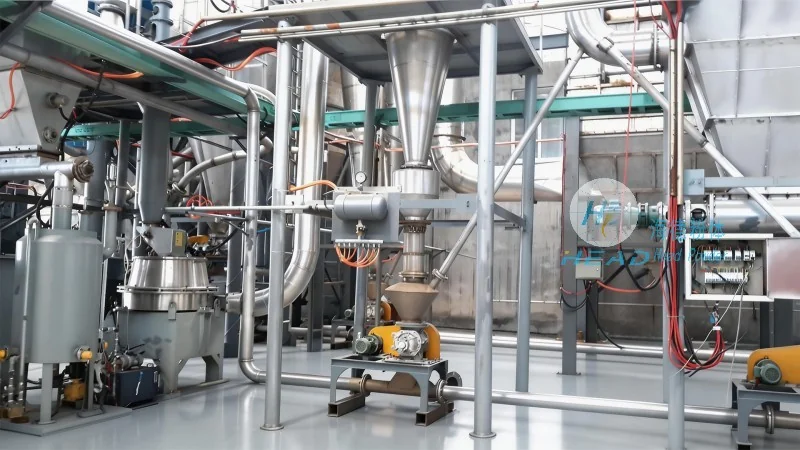
One of the key design principles is the selection of the appropriate air velocity and pressure. The air velocity must be high enough to overcome the resistance of the material in the pipeline but low enough to prevent excessive wear on the equipment. The pressure is typically maintained at a level that ensures consistent material flow without causing damage to the material or the system. Another critical principle is the use of appropriate pipe materials and diameters. The choice of material (e.g., stainless steel, plastic, or metal) depends on the properties of the conveyed material, such as its corrosiveness or abrasiveness. The pipe diameter is determined based on the material's flow characteristics and the desired conveying capacity.
Automation plays a pivotal role in the design of fully automatic systems. The control system integrates sensors that monitor parameters such as pressure, flow rate, and material level. These sensors provide real-time data to the control unit, which adjusts the system's operation accordingly. For example, if the material level in the feed hopper is low, the system can automatically adjust the feed rate to maintain a consistent flow. Similarly, if the pressure in the pipeline drops, the system can increase the air supply to prevent material blockages. This level of automation not only enhances efficiency but also reduces the risk of human error, ensuring consistent and reliable performance.