With more than 10‑year industry experience, Shandong Headpowder delivers full‑service pneumatic‑conveying systems and blowers, undertaking nationwide turn‑key powder‑handling projects.
Quantitative feeding material pneumatic conveying is a specialized industrial process used to transport bulk materials through a pipeline using pressurized air or other gas. This method is particularly effective for handling dry, powdery, or granular materials, offering advantages such as dust control, reduced material degradation, and the ability to transport materials over long distances. The system operates by feeding material into a hopper or feeder, which then releases it into a pipeline where it is carried by the airflow. The key to this process lies in the precise control of material flow rate, ensuring consistent and accurate delivery of the material to the destination.
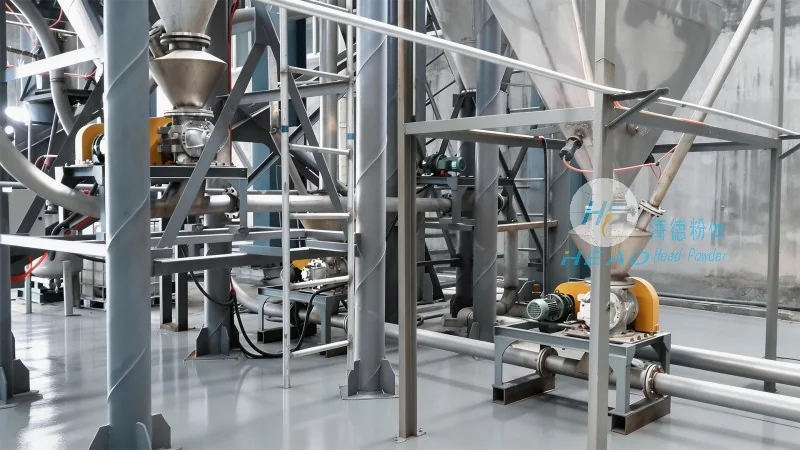
The design of a quantitative feeding material pneumatic conveying system involves several critical components that work in tandem to achieve efficient material transport. The primary components include a material feeder, a conveying pipeline, a blower or air compressor, a separation or collection system, and a control unit. The material feeder is responsible for regulating the flow rate of the material, which is crucial for quantitative feeding. This component may be a screw feeder, a rotary valve, or a vibratory feeder, depending on the material characteristics and required flow rate. The conveying pipeline is typically made of metal or plastic, chosen for its durability and resistance to corrosion from the material being transported. The blower or air compressor provides the necessary pressure and airflow to move the material through the pipeline. The separation or collection system, such as a cyclone or filter, removes the material from the air stream at the end of the pipeline, allowing the air to be recycled or vented. The control unit monitors and adjusts the system parameters, ensuring stable operation and accurate material delivery.
The design principles of a quantitative feeding material pneumatic conveying system focus on achieving consistent material flow, minimizing system losses, and ensuring long-term reliability. One of the fundamental principles is the selection of the appropriate air velocity. The air velocity must be high enough to lift and transport the material but low enough to prevent excessive wear on the pipeline and components. This balance is critical for maintaining the system's efficiency and longevity. Another key principle is the proper sizing of the pipeline and components. The diameter of the pipeline is determined by the material's particle size, flow rate, and the required air velocity. Oversized or undersized pipelines can lead to inefficiencies, such as increased pressure drop or material deposition. The feeder design is also critical, as it must be able to handle the material's characteristics, including its density, flowability, and potential for caking or agglomeration. The feeder must provide a consistent flow rate, which is essential for quantitative feeding applications. Additionally, the system must be designed to handle variations in material properties, such as changes in moisture content or particle size distribution, without compromising performance. This adaptability is achieved through adjustable components, such as variable speed feeders or pressure regulators.
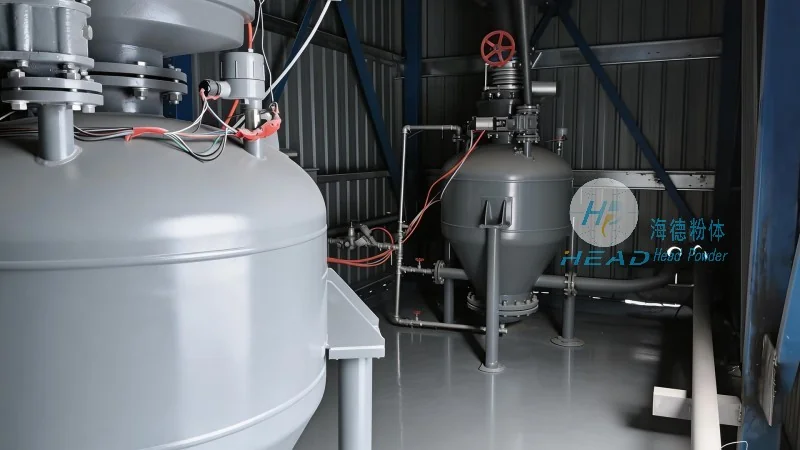
Quantitative feeding material pneumatic conveying systems are widely used in various industries, including pharmaceuticals, food processing, chemical manufacturing, and mining. In the pharmaceutical industry, these systems are used to transport active pharmaceutical ingredients (APIs) and excipients with high precision, ensuring consistent dosing and minimizing contamination. In food processing, they are used to handle powders like flour, sugar, and spices, maintaining product quality and hygiene. In chemical manufacturing, they are used to transport raw materials and intermediates, improving process efficiency and safety. The benefits of this system include improved process control, reduced labor costs, and enhanced safety compared to traditional bulk material handling methods. The quantitative feeding feature allows for precise control over material delivery, which is essential in applications where accuracy is critical, such as in pharmaceutical and food production. Additionally, the enclosed system reduces dust exposure and environmental impact, making it a more sustainable option for material handling.
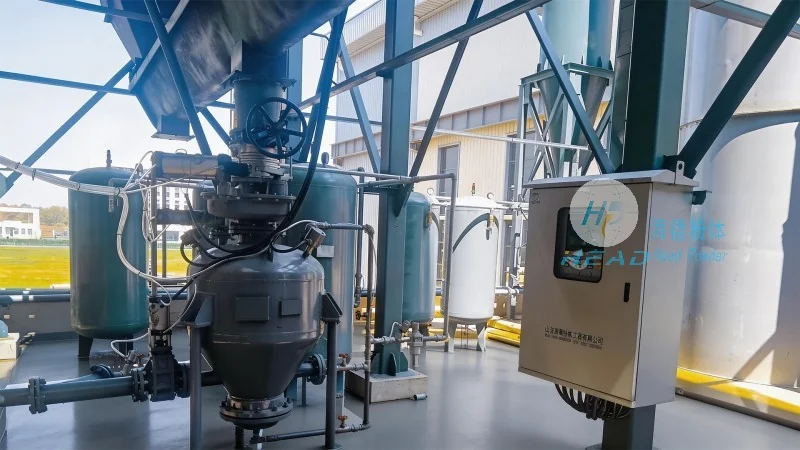
Shandong HeadPowder Engineering Co., Ltd., a leading provider of material handling solutions, specializes in designing and manufacturing quantitative feeding material pneumatic conveying systems tailored to specific customer needs. The company's expertise lies in understanding the unique requirements of each application and providing customized solutions that meet the highest standards of performance and reliability. The systems are designed to integrate seamlessly with existing production lines, minimizing downtime and ensuring smooth operation. The company's engineers work closely with clients to assess their material characteristics, process requirements, and operational constraints, then develop a system that optimizes material flow, reduces energy consumption, and enhances overall productivity. The customization process includes selecting the appropriate feeder type, determining the optimal pipeline configuration, and specifying the blower or air compressor capacity. The final system is tested and validated to ensure it meets the client's quantitative feeding requirements and operates within the specified parameters. This approach ensures that the system is not only efficient but also durable and easy to maintain, providing long-term value to the customer.
Proper maintenance is essential to ensure the long-term performance and reliability of a quantitative feeding material pneumatic conveying system. Regular maintenance activities include cleaning the pipeline and components to prevent material buildup, inspecting the feeder and blower for wear and tear, and checking the control unit for proper operation. The system should be cleaned regularly, especially after handling materials with high moisture content or those prone to caking. This prevents blockages and ensures consistent material flow. The blower or air compressor should be checked for proper air pressure and flow rate, as variations can affect the system's performance. The control unit should be calibrated periodically to maintain accurate material delivery. Additionally, the system should be monitored for any signs of wear or degradation, such as increased pressure drop or reduced airflow. Early detection of these issues allows for timely maintenance, preventing system failures and minimizing downtime. The company provides comprehensive maintenance services, including on-site inspections, component replacement, and training for operators on proper system operation and maintenance. This support ensures that the system operates at peak efficiency and extends its service life.

 Shandong Headpowder Engineering Co., Ltd.
 156-6277-7102(Manager Zhang)
  0531-83386006
  Zhangqiu District, Jinan City, Shandong Province, China
telephone
WeChatconsult
top