With more than 10‑year industry experience, Shandong Headpowder delivers full‑service pneumatic‑conveying systems and blowers, undertaking nationwide turn‑key powder‑handling projects.
Shandong HeadPowder Engineering Co., Ltd. is a professional manufacturer and supplier of industrial equipment, with its headquarters located in Shandong, China. The company specializes in the design, development, and production of advanced pneumatic conveying systems tailored for various industrial applications.
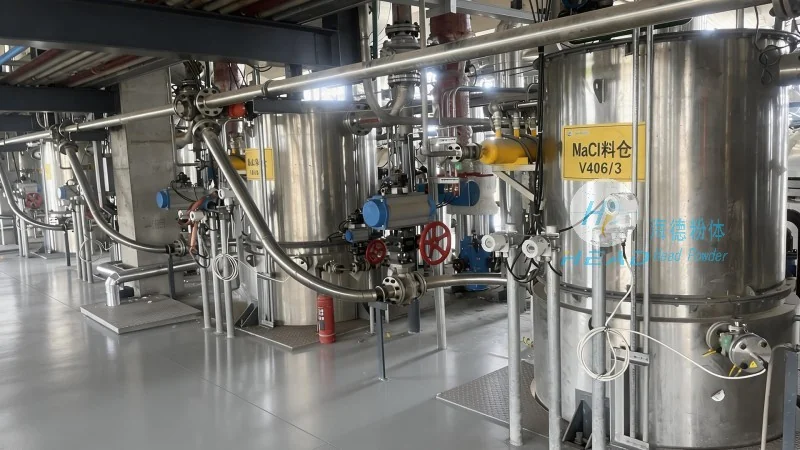
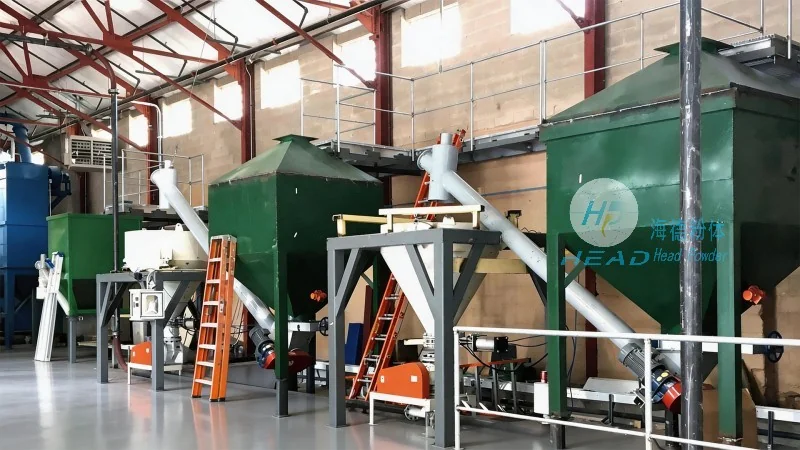
HeadPowder Engineering Co., Ltd. offers a specialized pneumatic conveyor system designed specifically for the efficient handling and transportation of nickel sulfate crystalline material. This equipment is engineered to meet the unique demands of processing and conveying crystalline substances, ensuring high reliability and performance in industrial settings. The system is built with durable materials to withstand the corrosive and abrasive nature of nickel sulfate, providing long-term operational stability.
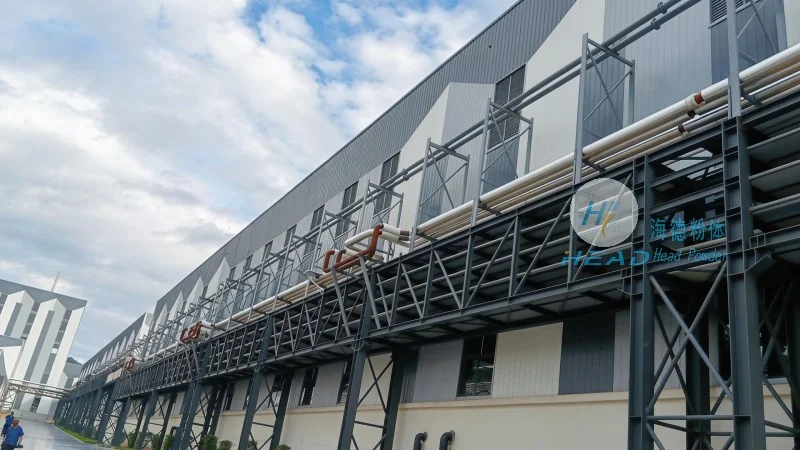
The operation of the pneumatic conveyor for nickel sulfate crystalline material involves several key steps. Initially, the crystalline material is fed into the hopper or inlet chamber of the system. The material is then drawn or pushed by a controlled airflow, depending on the system configuration (either suction or pressure type). The airflow carries the material through the pipeline network, transporting it from the source to the destination point. At the receiving end, the material is separated from the air using a cyclone separator or other filtration equipment, allowing for clean material discharge. The system is equipped with control valves and sensors to regulate the airflow and material flow rates, ensuring stable and continuous operation. The process is automated to minimize human intervention, enhancing safety and operational efficiency.
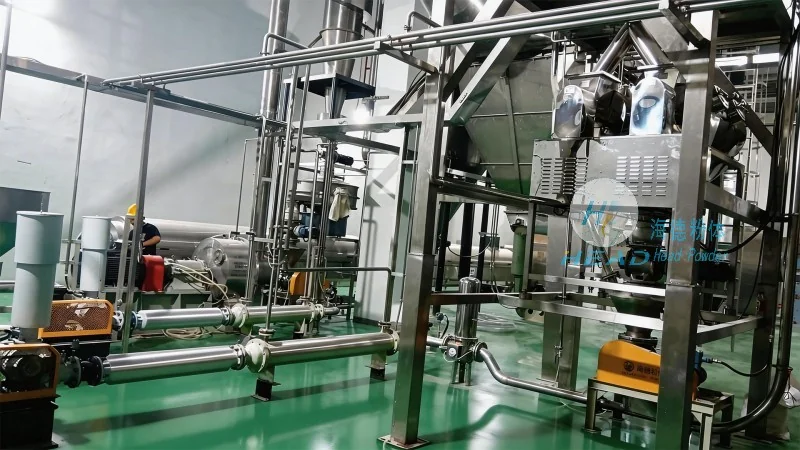
The working principle of the pneumatic conveyor for nickel sulfate crystalline material is based on the principles of pneumatic transport. In this system, air is used as the conveying medium to move the solid particles of the crystalline material. The process can be categorized into two main types: suction (or negative pressure) and pressure (or positive pressure) conveying. In suction conveying, a vacuum is created at the inlet to draw the material into the system. The air then transports the material through the pipeline, while the material is separated from the air at the discharge point. In pressure conveying, compressed air is used to push the material through the pipeline. The system includes components such as a blower, air filter, and material feeder to ensure efficient operation. The design of the conveyor system is optimized to handle the specific characteristics of nickel sulfate crystalline material, including its particle size (typically ranging from 0.1 to 5 mm), density (around 2.1 g/cm³), and moisture content (usually below 5%), to achieve optimal conveying efficiency and minimal material degradation. The airflow velocity is carefully controlled to prevent particle breakage and ensure consistent material flow.

 Shandong Headpowder Engineering Co., Ltd.
 156-6277-7102(Manager Zhang)
  0531-83386006
  Zhangqiu District, Jinan City, Shandong Province, China
telephone
WeChatconsult
top